
Last updated September 22, 2026
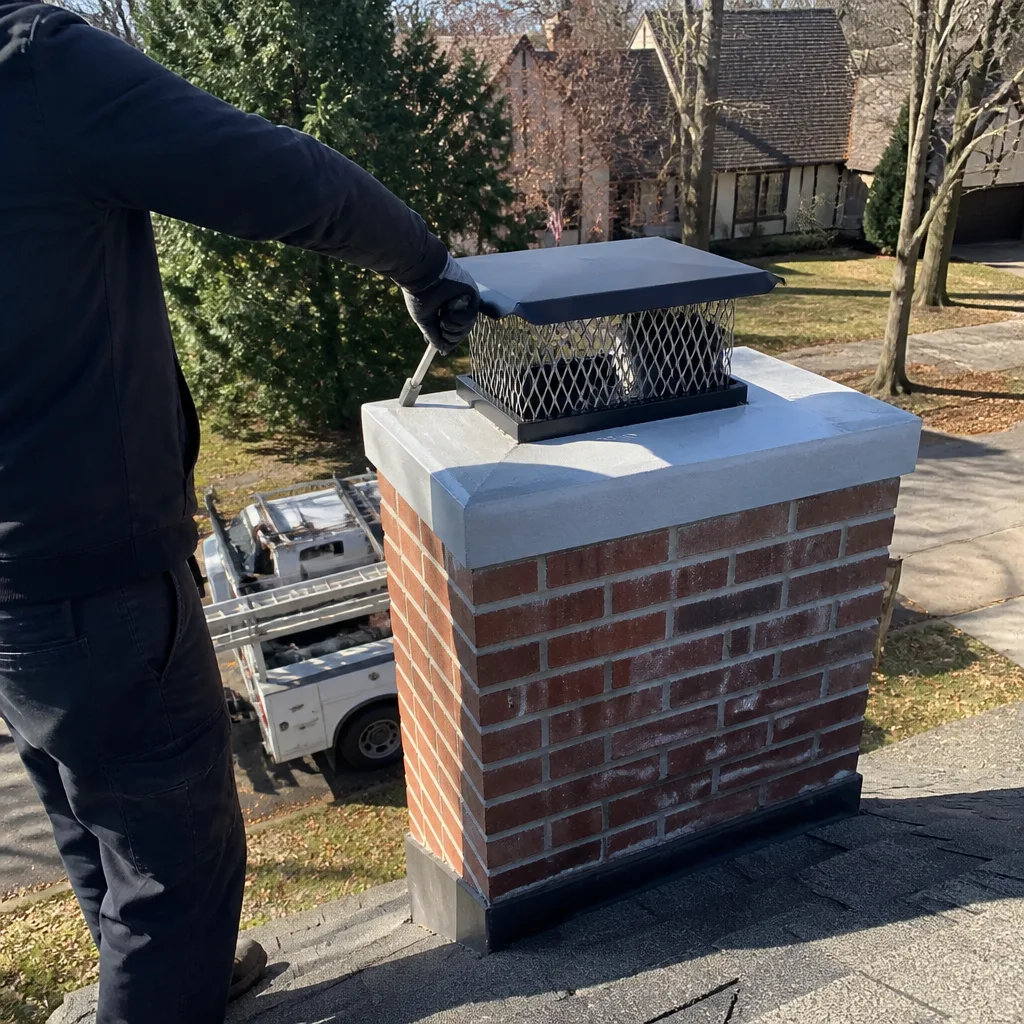
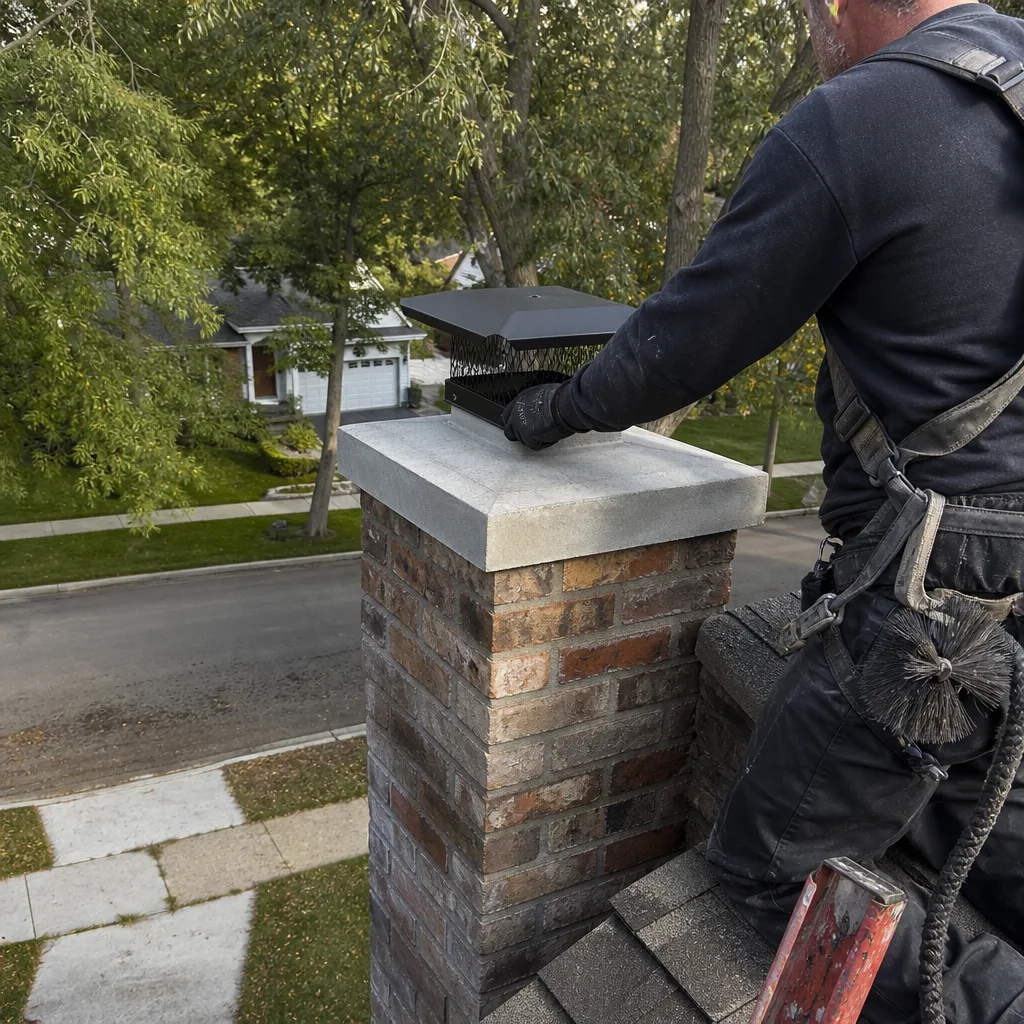
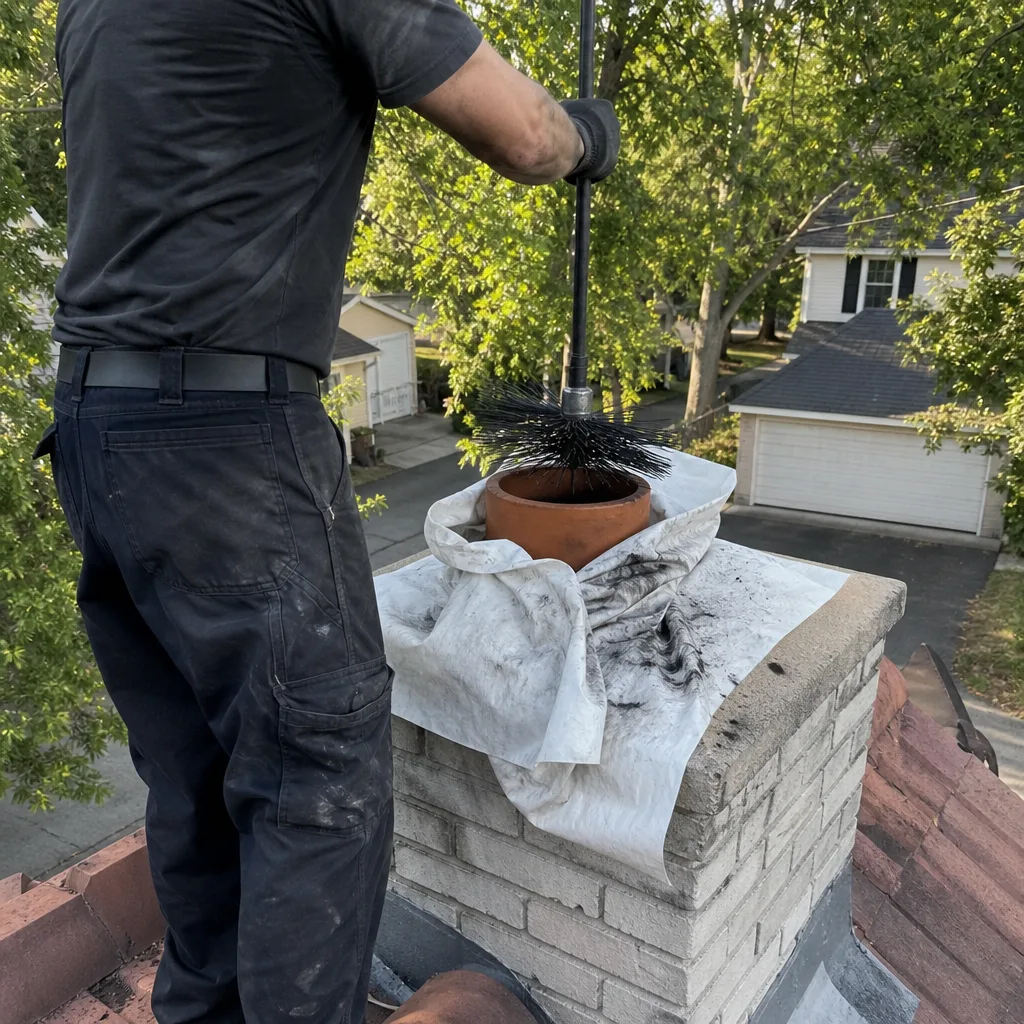
Level 1 sweep and inspection to the NFPA 211 annual standard - flue, crown, cap, and flashing checked and photographed
Chimney sweep logs do not sweep chimneys. They loosen some creosote - which then falls where a brush and vacuum still have to collect it.
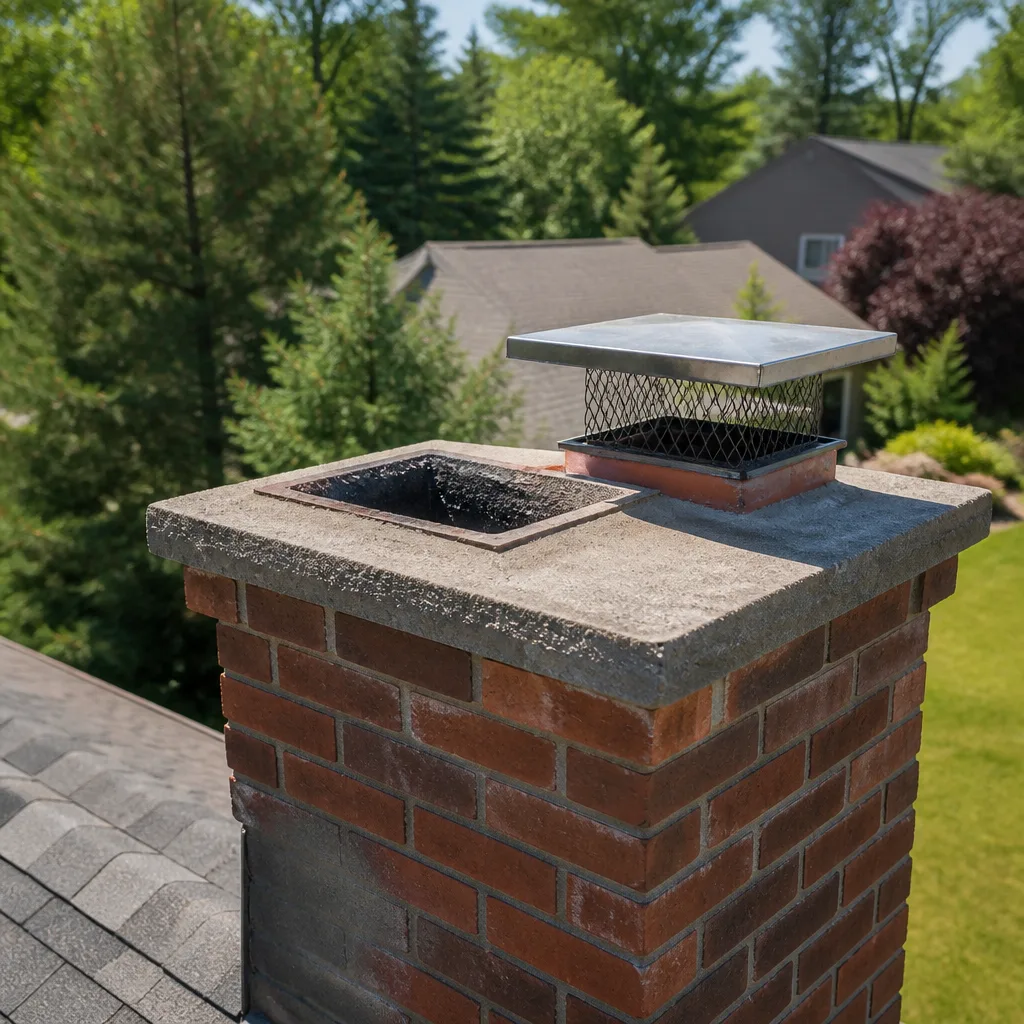
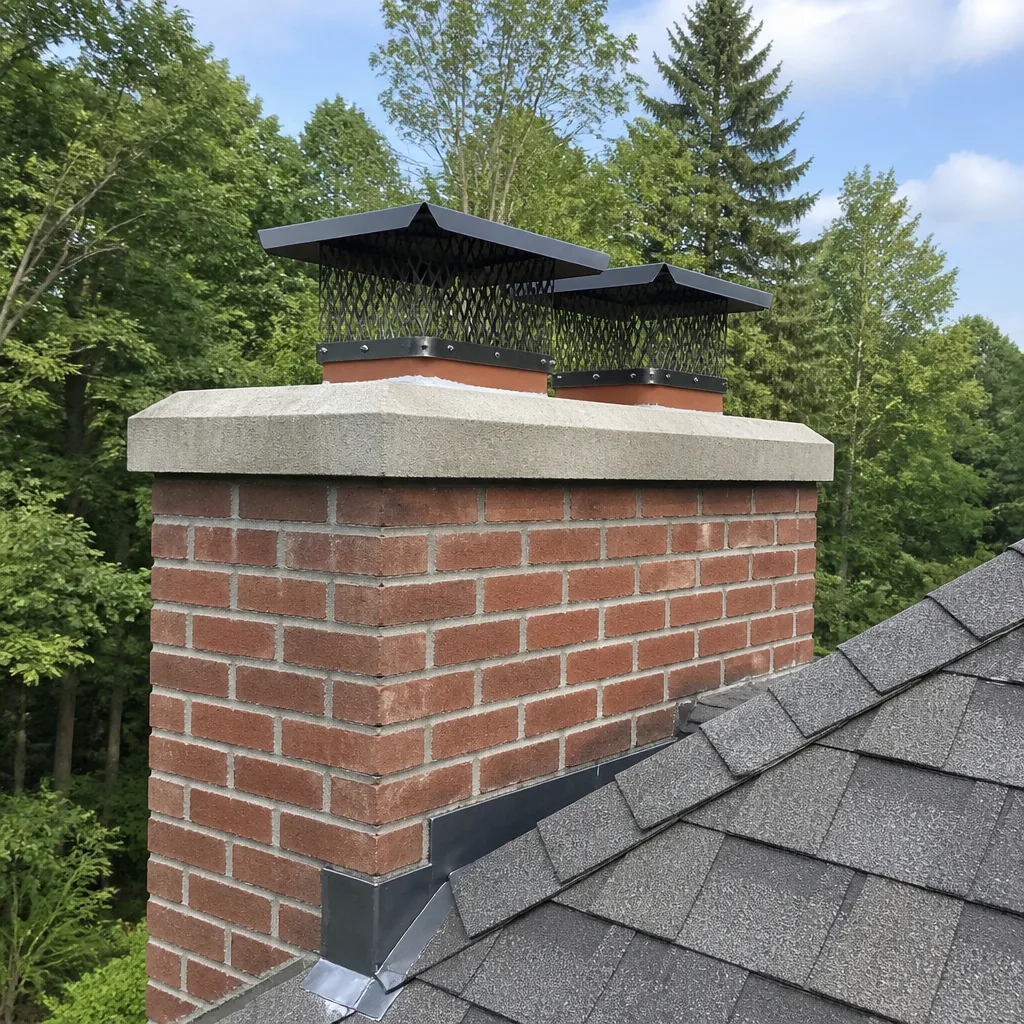
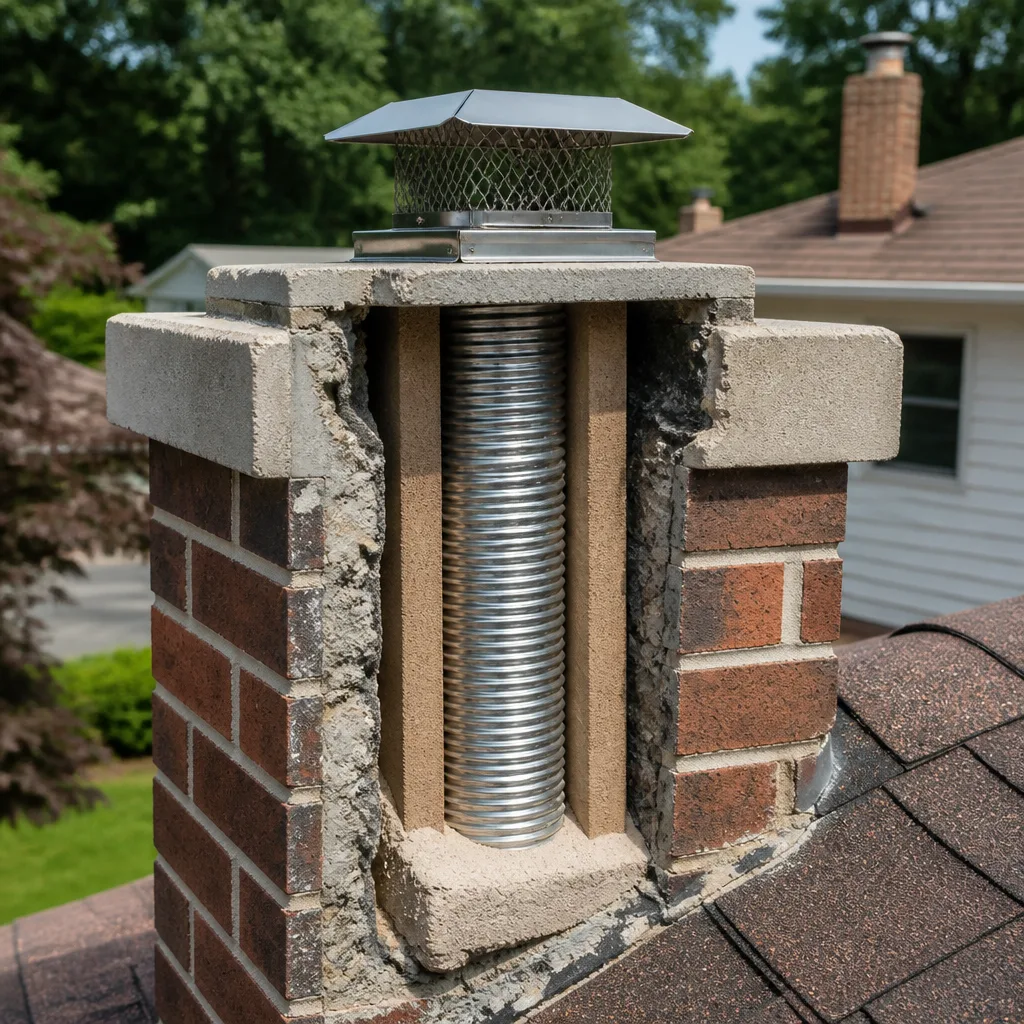
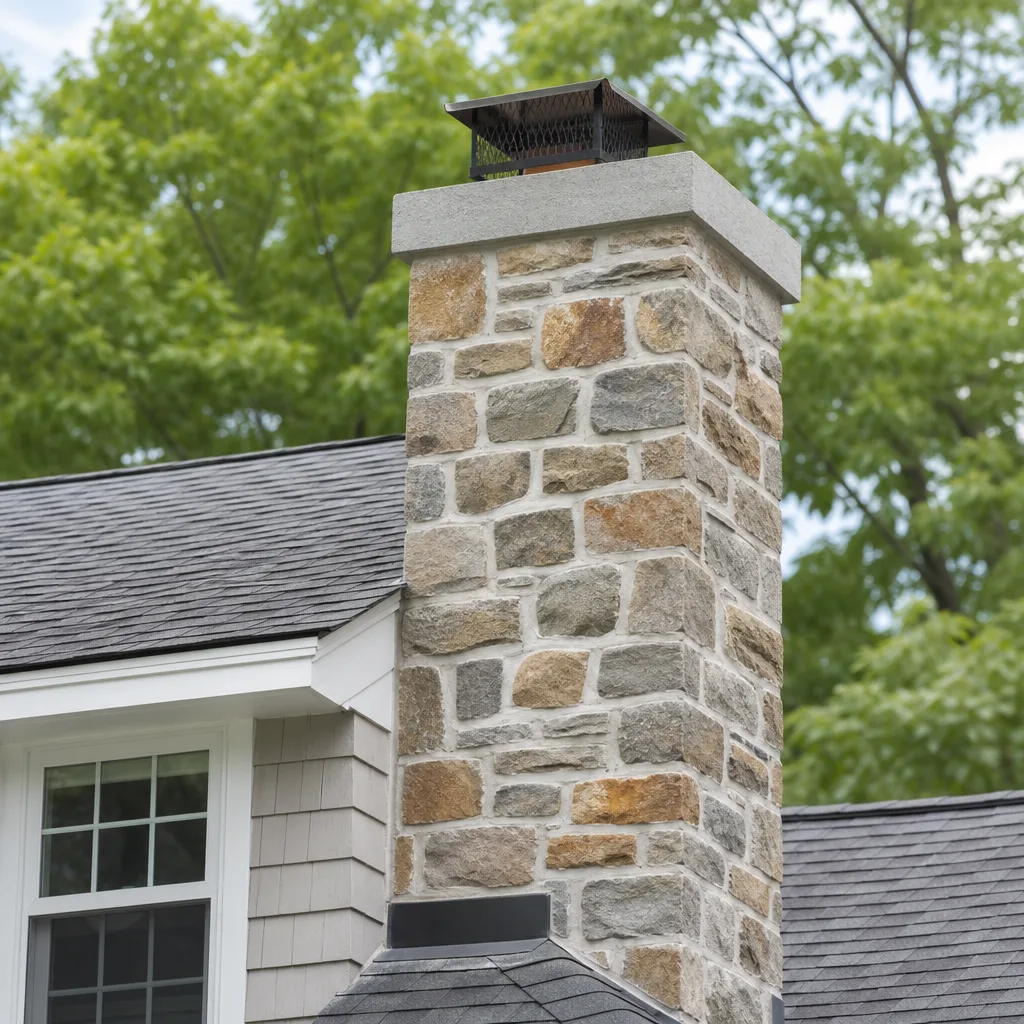
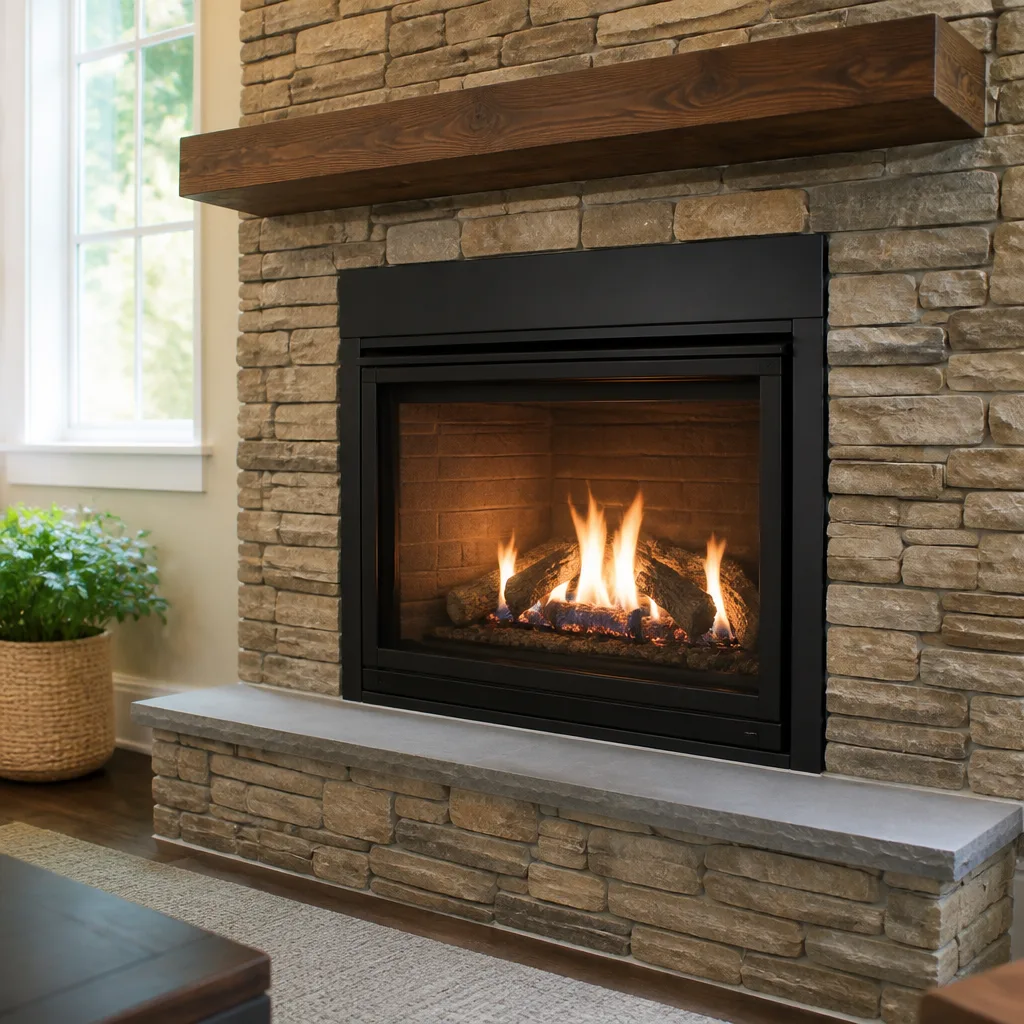
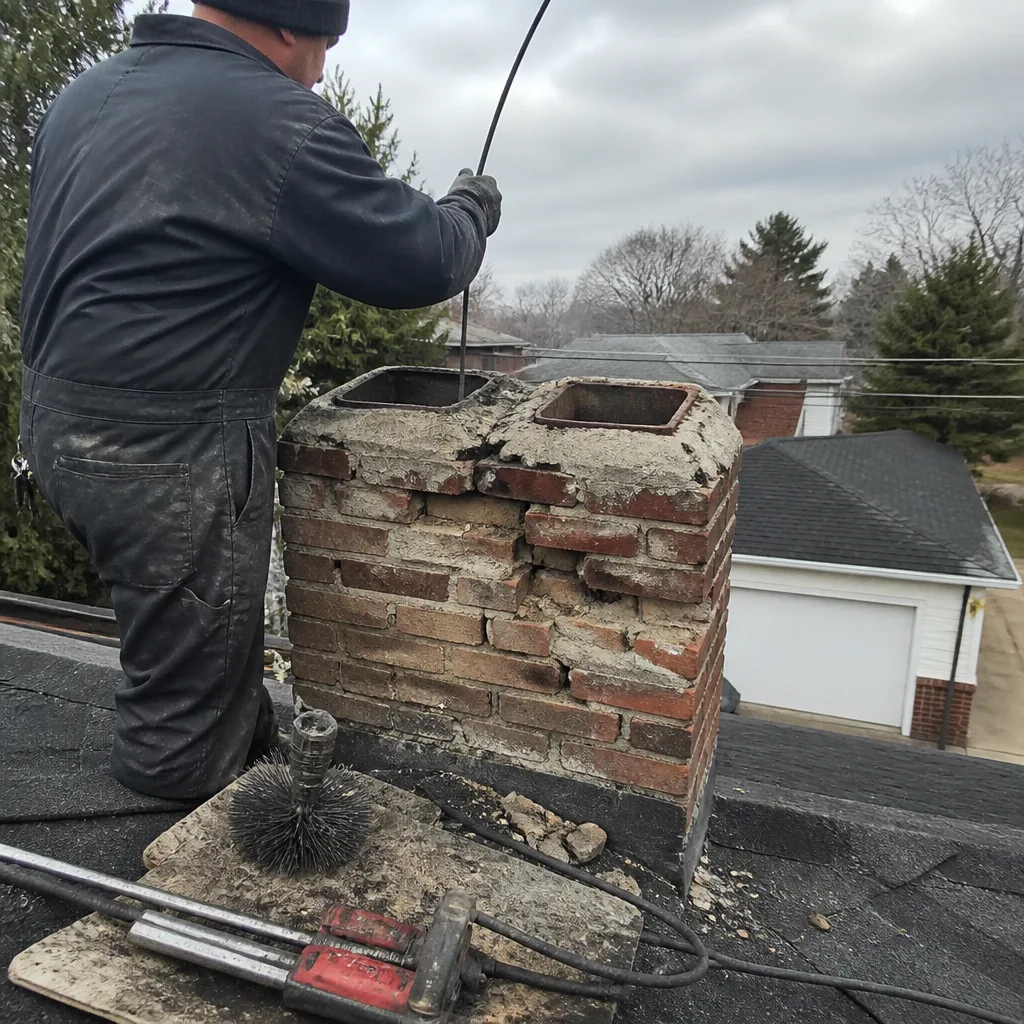 Before
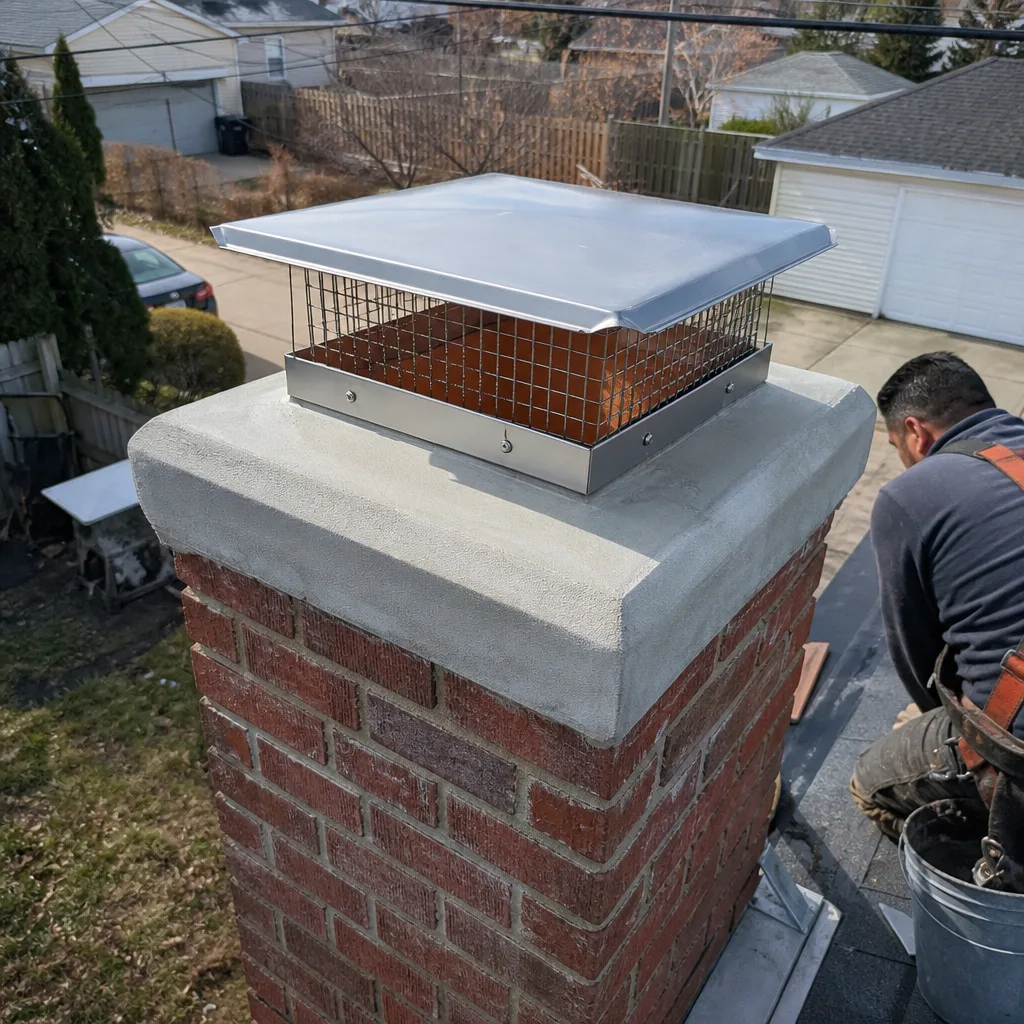 After
After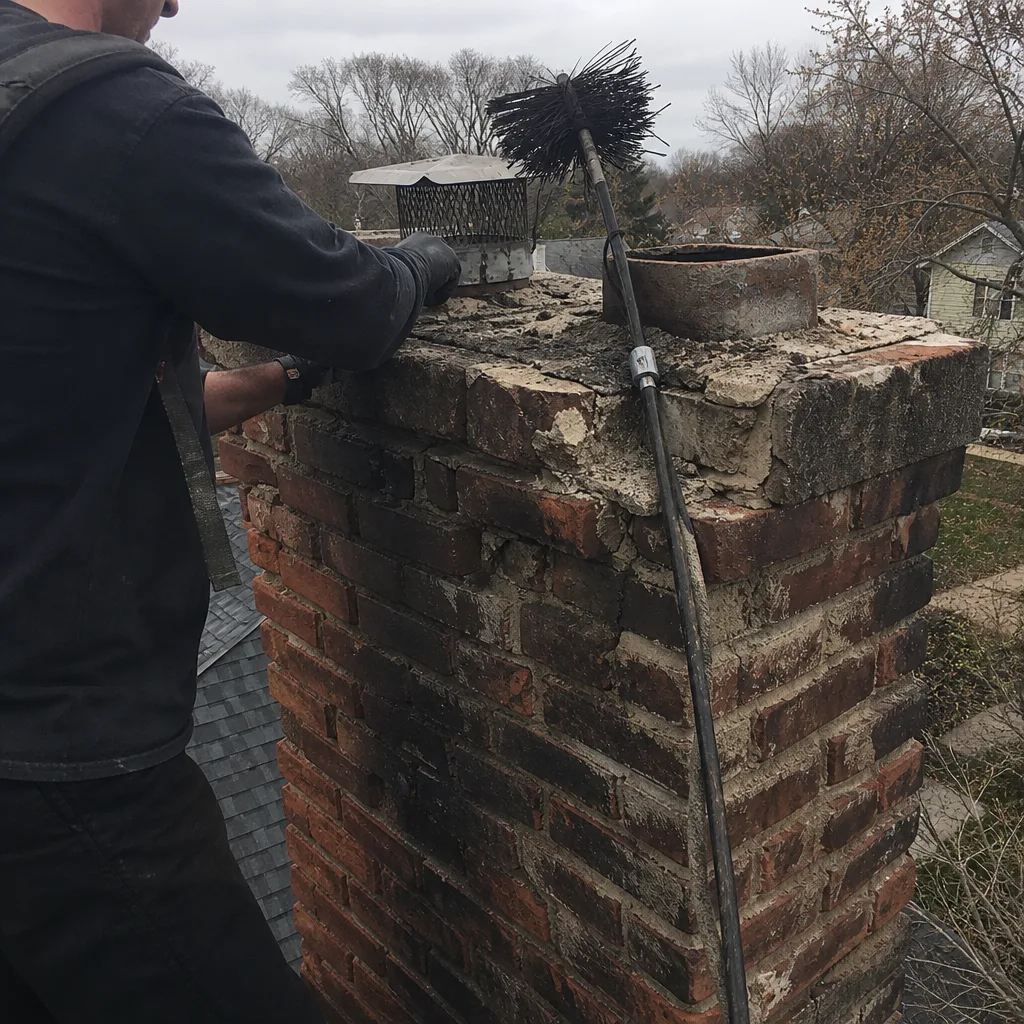 Before
 After
After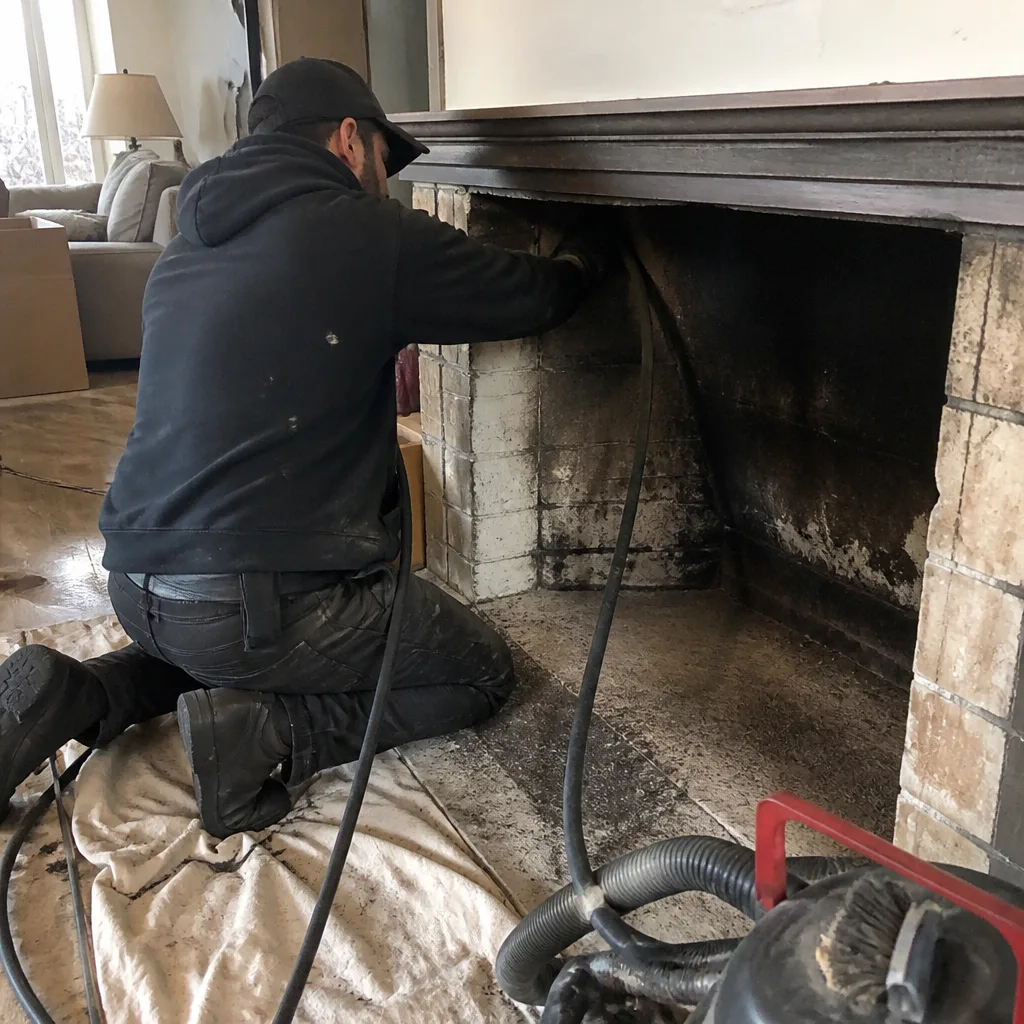 Before
 After
AfterChimney Cleaning Permits, Codes & Inspections in IL: What You Need to Know
Here’s the truth that catches most Elmhurst homeowners off guard: Illinois does not require a building permit for routine chimney cleaning, but the moment your sweep finds a cracked flue liner and recommends relining, that project crosses into permit-required territory under the Illinois Residential Code. We’ve seen this boundary trip up sellers in Elmhurst’s historic districts near Wilder Park and the newer construction around York High School alike. The permit question almost never surfaces during a cleaning appointment. It surfaces during the real estate transaction, when that unpermitted liner repair from three years ago becomes a negotiating problem, a closing delay, or a reason for the buyer’s lender to demand re-inspection. In The Complete Guide to Chimney Cleaning in Elmhurst, we’ll walk you through exactly where Illinois draws the permit line, how Elmhurst’s municipal requirements interact with state code, and why a documented NFPA 211 Level 2 inspection history protects you whether you’re staying put or selling next spring.
Quick Answer
Routine chimney cleaning in Illinois does not require a permit. However, relining, structural repair, or new appliance installation does require a permit under the Illinois Residential Code, and the City of Elmhurst building department enforces these requirements for work within city limits. A documented NFPA 211 Level 2 inspection with photo record satisfies both insurance carriers and real estate disclosure requirements in Illinois.
Table of Contents
- The Illinois Permit Boundary: What Work Does and Doesn’t Require a Permit
- Elmhurst Municipal Overlay: How Local Requirements Interact with State Code
- NFPA 211 as the Illinois Insurance Standard
- Real Estate Disclosure: What Illinois Sellers Must Reveal
- When a Cleaning Appointment Must Upgrade to Level 2 Inspection
- Permit Costs, Inspection Timelines, and What Delays Look Like
- Building Your Documented Inspection History
- Common Mistakes to Avoid
- When to Call a Professional
- Frequently Asked Questions
 Before
 After
AfterThe Illinois Permit Boundary: What Work Does and Doesn’t Require a Permit
Illinois operates under the Level Two Chimney Elmhurst home principle that most homeowners never encounter until it’s too late: the state distinguishes sharply between maintenance and modification. Understanding this distinction saves you from retroactive permit headaches that can cost thousands and delay closings by weeks.
Work That Does NOT Require a Permit
- Routine chimney sweeping and cleaning - removal of creosote, soot, and debris from the flue, smoke chamber, and firebox
- Top-sealing damper installation - when no structural modification to the flue or masonry is required
- Chimney cap replacement - standard mesh or solid caps that mount to existing flue tile or crown without crown reconstruction
- Crown sealing with flexible waterproofing compound - surface application that does not alter crown geometry or structural integrity
- Fireplace door or screen replacement - cosmetic or functional upgrades with no gas line or venting modification
Work That DOES Require a Permit
- Flue relining - installation of stainless steel, aluminum, or cast-in-place liner systems; this is the most commonly missed permit trigger in Elmhurst
- Structural masonry repair - rebuild of spalling brick, deteriorated mortar joints, or chimney reconstruction above the roofline
- Crown reconstruction or pour - when the existing crown is removed and replaced with new concrete or pre-formed material
- Appliance installation or conversion - new gas insert, wood stove, or pellet appliance; conversion from wood to gas or vice versa
- Chimney extension or height modification - anything that changes the chimney’s termination height or clearance to combustibles
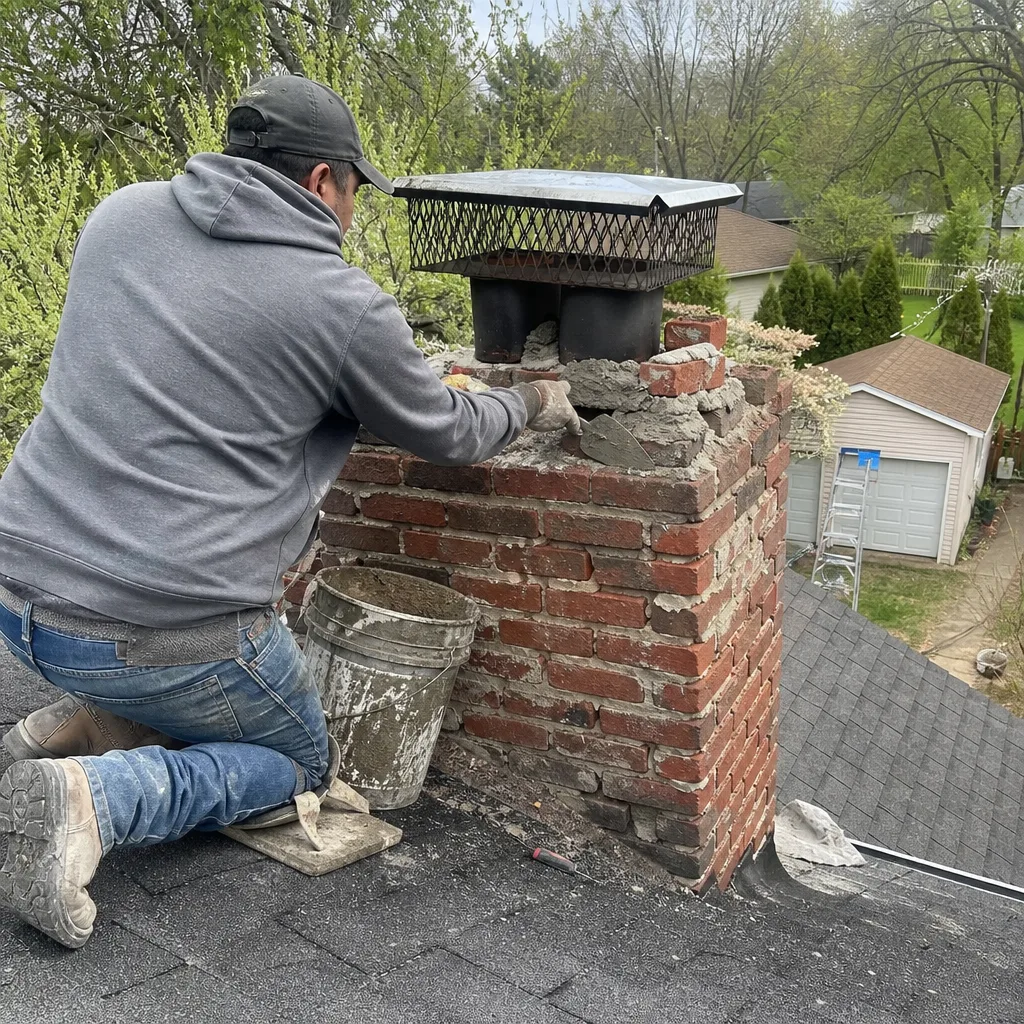
The Illinois Residential Code, based on the International Residential Code with state amendments, delegates permit authority to local jurisdictions. In DuPage County, this means the City of Elmhurst building department has final say on what requires review. We’ve inspected chimneys in the older homes near Elmhurst College where a “simple” cap replacement revealed a deteriorated crown, and the scope expanded to crown reconstruction. That expansion triggered a permit requirement the homeowner hadn’t anticipated.
The critical detail: the permit applies to the work, not the worker. A homeowner performing their own relining still needs a permit. A licensed chimney professional performing cleaning does not. The boundary is the nature of the work, not who performs it.
Elmhurst Municipal Overlay: How Local Requirements Interact with State Code
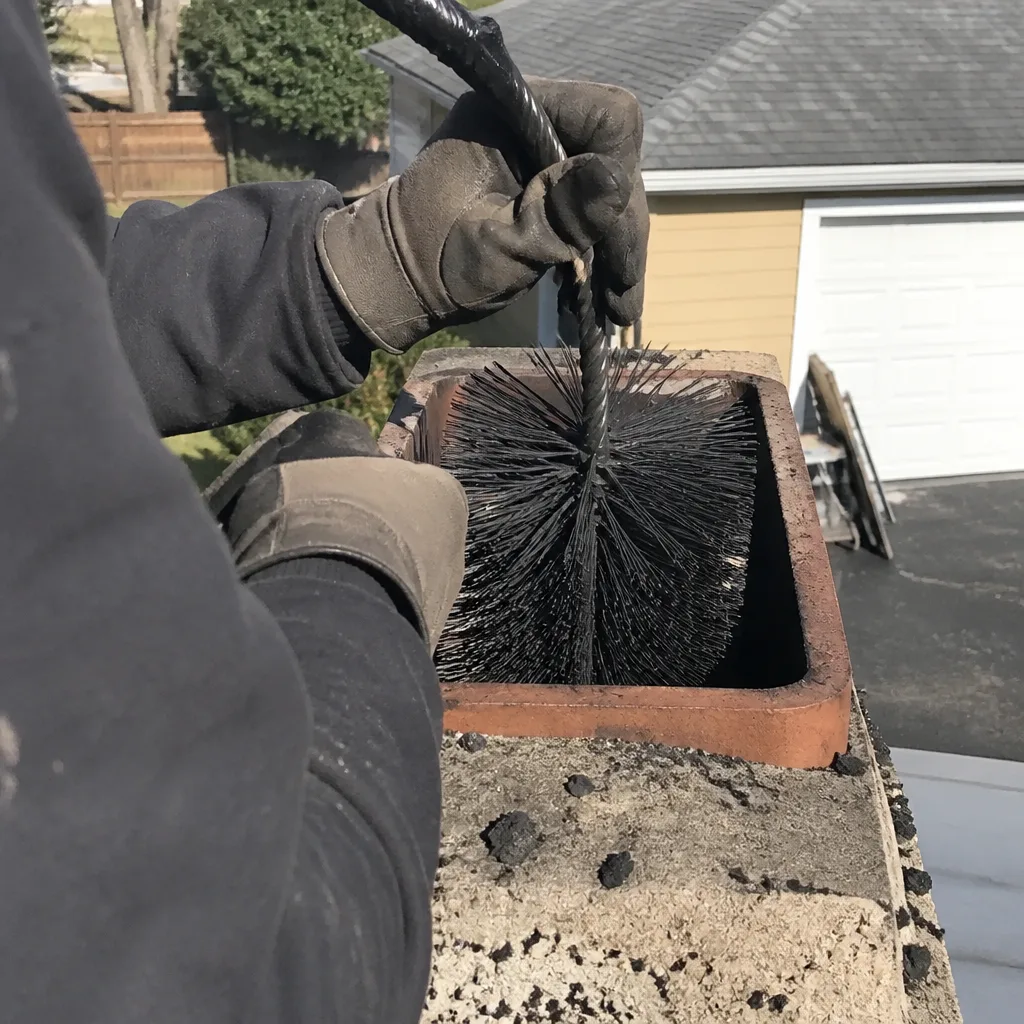
Elmhurst sits within DuPage County’s jurisdiction but maintains its own building department with specific requirements for chimney-adjacent work. This municipal overlay creates a second layer of compliance that state-level guidance alone won’t capture.
The City of Elmhurst building department requires permits for all work listed in the permit-required category above, with additional scrutiny for:
- Historic district properties - homes within designated historic districts face review by the Elmhurst Historic Preservation Commission for any exterior-visible chimney modification, including cap style and crown profile changes
- Properties with shared chimney systems - duplexes and multi-family buildings common near the Metra corridor require fire separation documentation when any flue modification occurs
- Work exceeding $500 in value - Elmhurst requires contractor licensing verification for any chimney project above this threshold, which effectively captures all relining and structural work
Elmhurst’s climate specifics matter here. Our freeze-thaw cycles are severe, with January temperatures regularly dropping below 10°F and rapid spring warming. This thermal stress accelerates crown deterioration and flue liner thermal shock. We’ve documented more spalling brick in Elmhurst chimneys than in comparable Cook County properties with milder exposure. The city’s inspectors know this pattern and look closely at moisture damage documentation when reviewing permit applications for structural work.
Permit application in Elmhurst requires:
- Completed building permit application with property legal description
- Contractor license verification (Elmhurst requires current registration)
- Scope of work description, including materials specifications
- NFPA 211 inspection report for existing conditions if relining or repair is proposed
- Fee based on project valuation (typically $75-$200 for chimney-specific work)
Inspection scheduling runs through the city’s contractor portal, with rough inspections required for relining work before final closure. We’ve found Elmhurst inspectors thorough but predictable: they verify liner sizing against appliance BTU rating, confirm proper clearance to combustibles, and check termination height against IRC Chapter 10 requirements.
NFPA 211 as the Illinois Insurance Standard
Here’s where the documentation standard you’ve chosen becomes a financial protection, not just a service feature. NFPA 211, the National Fire Protection Association’s standard for chimneys, fireplaces, vents, and solid fuel-burning appliances, is referenced explicitly in most Illinois homeowners insurance policy language. After a chimney fire, your carrier’s adjuster doesn’t ask whether you “had it checked.” They ask for the inspection report, the technician’s credentials, and the documented condition of the flue before the event.
We’ve handled post-fire documentation for Elmhurst homeowners where the difference between claim approval and denial came down to whether a Level 2 inspection with photo record existed. A flashlight look and verbal “looks fine” from a sweep without camera documentation carries no weight with Illinois insurers.
The four documentation elements carriers expect:
- NFPA 211 inspection level identified - Level 1 (visual), Level 2 (camera scan), or Level 3 (destructive investigation)
- Technician identification and credentials - name, company, date of inspection
- Photo or video record of flue interior - timestamped, with location markers
- Written condition assessment and recommendations - specific defects identified, not generic “service recommended” language
Clause 4 of the Haven Standard requires a photo record on every job. We implemented this in 2009, before Illinois carriers began systematically requesting it. That archive now contains more than 38,000 documented inspections, and we’ve used historical records to establish pre-loss condition in multiple claims.
Insurance implications extend beyond fire events. In Elmhurst’s competitive real estate market, buyers increasingly request chimney inspection documentation as a condition of sale. A documented Level 2 inspection history from a recognized standard satisfies this request without last-minute scrambling. Materials we specify - whether Olympia Chimney stainless liners or Famco termination components - carry manufacturer warranties that require installation documentation for claims. The permit and inspection record completes that chain.
Real Estate Disclosure: What Illinois Sellers Must Reveal
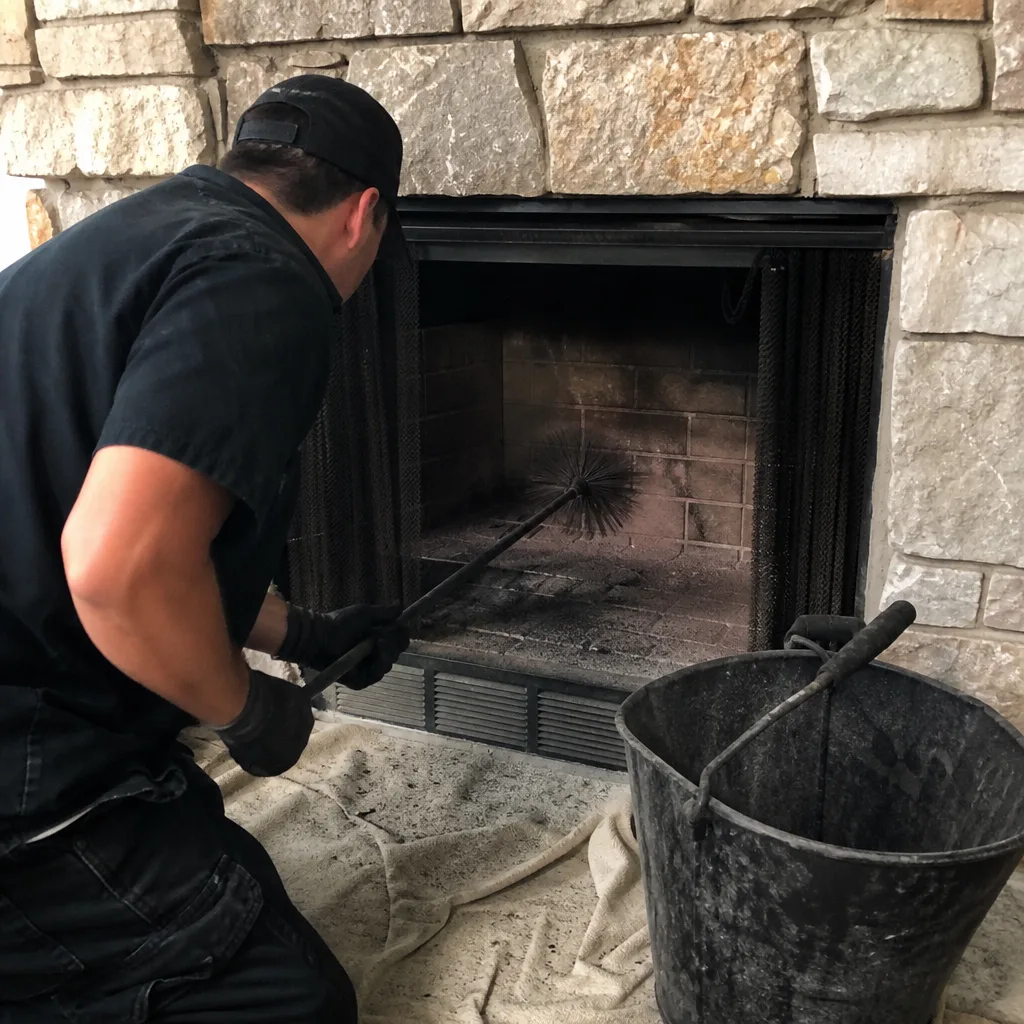
Illinois law requires sellers to complete a Residential Real Property Disclosure Report, and chimney condition falls within the structural and mechanical system disclosure requirements. The specific language asks about “defects in” the fireplace and chimney system. What constitutes a defect, and how prior repair documentation protects you, is where most Elmhurst sellers need clarity.
A defect, in Illinois disclosure terms, is a condition that would have a substantially adverse effect on the value of the property or that would significantly impair the health or safety of future occupants. This includes:
- Known active leaks or water intrusion
- Documented flue liner cracks or deterioration
- Previous chimney fire, whether or not structural damage resulted
- Unpermitted modifications or repairs
- Appliance installations without proper venting or clearance
The disclosure form requires sellers to check “yes,” “no,” or “no representation” for each category. Checking “no” when unpermitted work exists exposes the seller to post-closing liability. Checking “no representation” raises red flags with buyers and their lenders. Providing documented inspection history allows an accurate “yes” with explanatory context: “Liner replaced in 2021 with permit, inspected 2023, condition documented.”
We’ve seen this play out in Elmhurst’s Spring Road corridor and the neighborhoods near Salt Creek. Sellers with documented inspection histories close without chimney-related contingencies. Sellers with gaps or unpermitted work face buyer credits, delayed closings, or demands for pre-closing re-inspection at seller expense.
The Illinois Real Estate License Act also imposes duties on listing agents to disclose known material defects. An agent who knows of unpermitted chimney work and fails to disclose shares liability. This creates pressure on agents to verify permit status, which in turn creates demand for documentation that permits were properly obtained and closed.
For buyers, the protection runs in reverse. A seller-provided inspection report from three years ago showing clean flue and intact liner establishes a baseline. The buyer’s own Level 2 inspection at purchase then documents condition at transfer. If defects emerge shortly after closing, this chain of documentation determines whether the defect was pre-existing and disclosed, or new and potentially covered by warranty or insurance.
When a Cleaning Appointment Must Upgrade to Level 2 Inspection
NFPA 211 specifies four conditions that make a Level 2 inspection mandatory rather than optional. These conditions are not suggestions. They are the standard of care that determines whether your sweep acted appropriately, and they become critical in liability and insurance contexts when something goes wrong later.
The Four Mandatory Upgrade Conditions
- Property sale or transfer - any change of ownership, including estate transfers and trust distributions, triggers Level 2 requirement
- Fire event or operational malfunction - chimney fire, puffback, carbon monoxide alarm activation, or any incident suggesting system compromise
- Visible damage or weather event - earthquake, lightning strike, wind damage, or observed deterioration (spalling, settlement cracks, water staining)
- Appliance change or fuel conversion - new installation, removal, or change in fuel type, appliance type, or input rating
We’ve performed Chimney Cleaning & Sweep in Elmhurst appointments that began as routine maintenance and upgraded to Level 2 upon discovery. A homeowner in the Cottage Hill area scheduled cleaning before the first fall fire. Our technician found Class III glazed creosote, indicating prior chimney fire or sustained over-firing. That finding triggered Condition 2 above. The camera scan revealed a cracked flue liner invisible from the firebox. The cleaning became an inspection, which became a documented repair recommendation with photo evidence.
Without the upgrade, that homeowner would have received a clean sweep and no knowledge of the crack. The next chimney fire, or even the next home inspection at sale, would have revealed it catastrophically. The NFPA 211 standard exists precisely for this scenario.
Level 2 inspection scope includes:
- Camera scan of entire flue interior, from firebox to termination
- Accessible portions of the smoke chamber and firebox
- Exterior chimney condition, including crown, cap, flashing, and clearance to combustibles
- Appliance connection and clearance verification
- Documentation of all findings with photo or video record
Clause 4 of the Haven Standard requires this documentation on every job, not as an upgrade but as baseline practice. We’ve maintained this archive since 2009. When an Elmhurst homeowner needs to establish that a crack was or was not present at a specific date, we can produce the record.
Permit Costs, Inspection Timelines, and What Delays Look Like
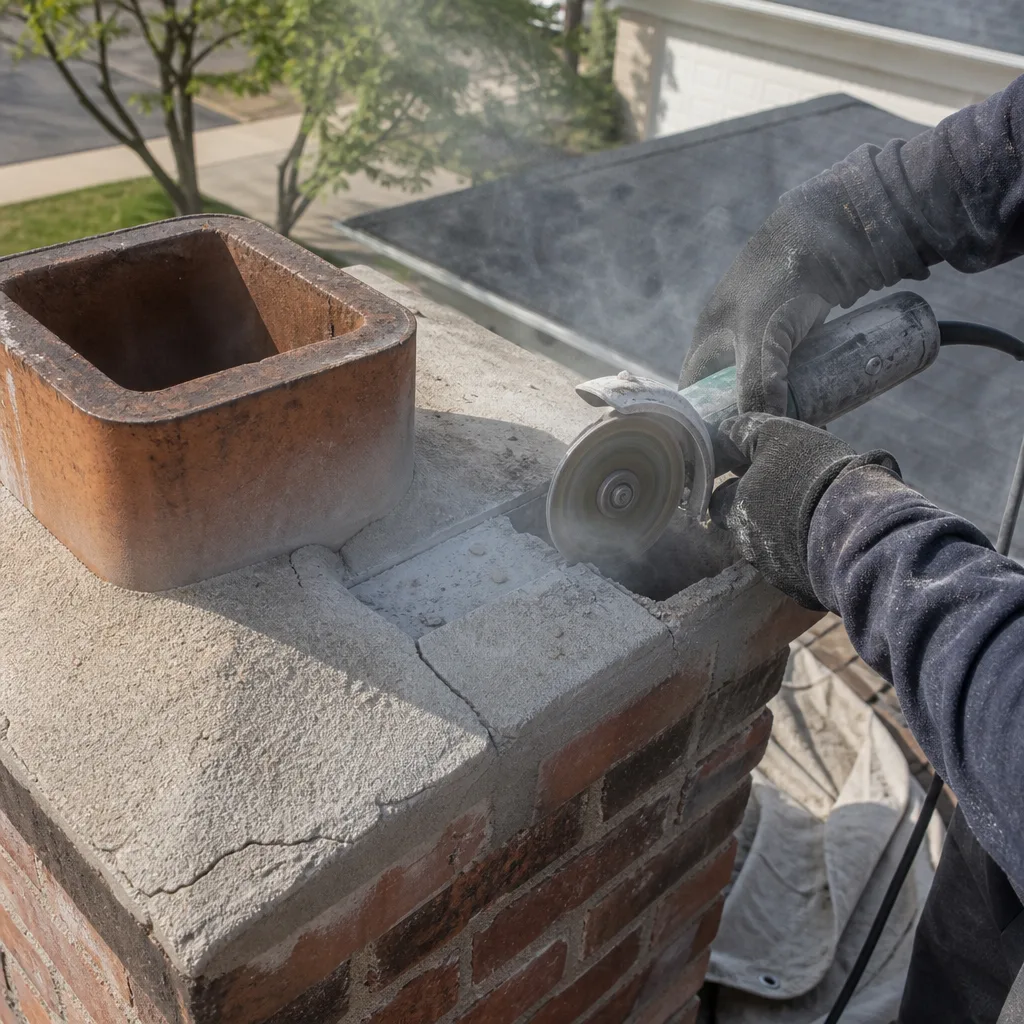
Understanding the administrative timeline prevents the last-minute panic that derails closings and heating season starts. Here’s what Elmhurst homeowners actually experience.
Permit Costs in Elmhurst and DuPage County
| Project Type | Elmhurst Permit Fee | Timeline to Issue |
|---|---|---|
| Routine chimney cleaning | No permit required | Same-day service |
| Chimney cap replacement (no structural work) | No permit required | Same-day service |
| Flue relining | $150-$250 | 3-5 business days |
| Crown reconstruction | $100-$200 | 3-5 business days |
| Structural masonry repair | $150-$300 | 5-7 business days |
| Appliance installation | $125-$225 | 3-5 business days |
These fees cover application review and scheduled inspections. Elmhurst does not offer expedited processing for chimney-specific work. Plan accordingly if you’re selling: permit issuance plus inspection scheduling can add two weeks to project completion.
Inspection Scheduling Reality
Rough inspection for relining work must occur before the liner is fully enclosed. Final inspection confirms proper termination, clearance, and appliance connection. Elmhurst building department typically offers inspection slots within 48-72 hours of request, but seasonal demand (September through November) extends this to 5-7 days.
We’ve managed projects where permit delays pushed completion past the buyer’s walk-through date. The solution is early planning: if you’re selling in spring, inspect in fall. If you’re buying, request seller disclosure of permit status for any recent chimney work.
What Unpermitted Work Costs to Rectify
Retroactive permitting in Elmhurst requires the same documentation as original permitting, plus verification that work was performed to code. If the work is accessible for inspection, this is administrative. If the liner is already enclosed and no photo record exists, the building department may require exposure or re-inspection with camera. We’ve seen this add $400-$800 to what should have been a closed project.
For Chimney Repair in Elmhurst work that involves structural elements, retroactive permitting without documentation sometimes requires engineering review. This is the scenario that produces four-figure surprises and closing delays.
Building Your Documented Inspection History
The homeowners who navigate Illinois chimney requirements smoothly share one characteristic: they have a continuous, dated, documented inspection record. Not receipts. Not verbal assurances. A record that shows what was found, what was done, what was photographed, and what was recommended.
We’ve completed more than 38,000 chimney inspections and cleanings since 2009. Every one had a written price before work started and a documented record when finished. This isn’t marketing language. It’s the operational standard that became the Haven Standard, and it’s what protects our Elmhurst customers when questions arise years later.
What a proper record contains:
- Dated inspection report with NFPA 211 level identified
- Technician name and company affiliation
- Photo or video documentation of flue condition
- Specific measurements: flue dimensions, liner condition, creosote thickness and classification
- Written recommendations with priority ranking
- Permit documentation for any work performed, with permit number and inspection sign-off
We store these records indefinitely. An Elmhurst homeowner who had their first inspection with us in 2012 can request that record today. When they sell in 2025 and the buyer’s inspector questions flue condition, that 2012 baseline establishes whether change has occurred.
Materials matter for documentation too. When we specify Gelco or Copperfield components for cap or crown work, the manufacturer’s specifications become part of the permanent record. Warranty claims require installation documentation. Insurance claims require product identification. The record we build serves multiple protective functions.
For homeowners in Elmhurst’s newer construction, particularly the developments near North Avenue and the I-290 corridor, initial inspections often reveal builder shortcuts: undersized flues, improper crown slope, or missing clearance protection. Documenting these conditions at move-in creates leverage with builders and establishes baseline for future claims.
Common Mistakes to Avoid
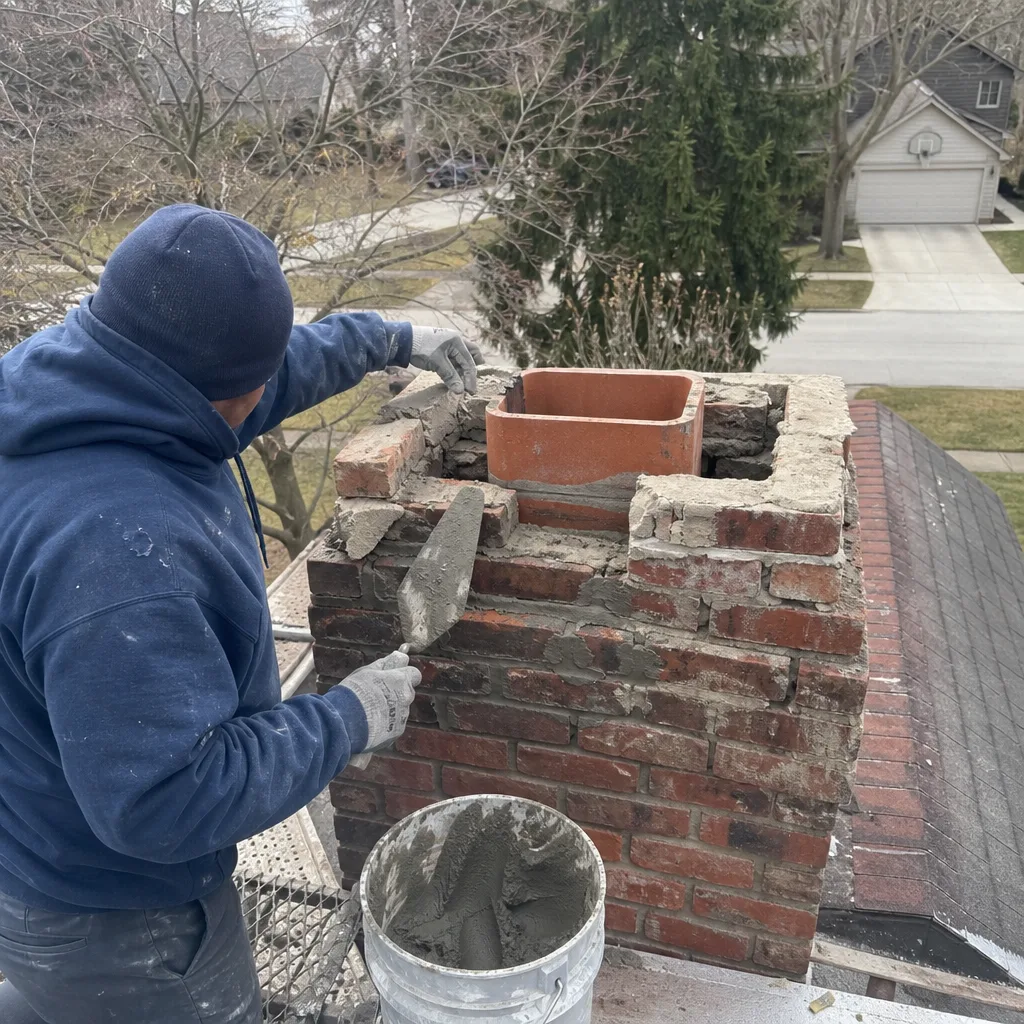
- Assuming cleaning covers inspection. A sweep removes creosote. It does not evaluate liner condition, clearance, or structural integrity. These are separate services with separate documentation requirements.
- Accepting verbal recommendations without written scope and price. Haven Standard Clause 1 requires written price before work starts. Any sweep who won’t put scope and price in writing before beginning should be declined.
- Performing relining without permit to “save time.” The time saved is lost tenfold at sale, when unpermitted work must be disclosed or risks post-closing liability. Elmhurst’s building department has digital records back to 2000; unpermitted work is discoverable.
- Discarding old inspection reports. These establish baseline condition and protect against claims that defects existed previously. We store records indefinitely; homeowners should retain their copies permanently.
- Hiring based on lowest price without verifying inspection standard. A $99 “inspection” without camera scan provides no documentation value. Verify that Level 2 with photo record is included, not offered as an upgrade.
- Waiting for visible problems before inspecting. Liner cracks, internal deterioration, and creosote buildup progress invisibly. Annual inspection catches conditions before they become emergencies or sale obstacles.
- Failing to verify contractor Elmhurst registration. The city requires current registration for permit-eligible work. Unregistered contractors cannot pull permits, leaving you with unpermitted work regardless of their competence.
When to Call a Professional
Call when you’re buying, selling, or haven’t had a documented Level 2 inspection in the past 12 months. Call if you’ve had a chimney fire, puffback, or carbon monoxide alarm activation, even if the fire department cleared the scene. Call if you’re changing appliances or fuel types, or if you notice new water staining, mortar deterioration, or draft problems.
Level Two Chimney Elmhurst offers free estimates in Elmhurst. We’ll provide a written price, written scope, and written warranty before any work begins - Haven Standard Clause 1, no exceptions. Our technicians are background-checked, uniformed, and named before arrival. You’ll receive a text when we’re on the way.
For immediate questions about permit status, inspection documentation, or whether your specific project requires city review, call (708) 498-3199. Live phone support runs 24 hours a day, 7 days a week. We also offer a Free Second Opinion on any written estimate from another company - bring us their scope and price, and we’ll review it against what we find.
Frequently Asked Questions
No. Routine chimney cleaning, sweeping, and basic maintenance do not require a building permit in Elmhurst or anywhere in Illinois, as detailed in our Chimney Cleaning & Sweep Maintenance Checklist for Elmhurst Homeowners. However, if the cleaning reveals conditions requiring relining, structural repair, or appliance modification, those subsequent projects do require permits under the Illinois Residential Code.
Chimney cleaning in Elmhurst typically ranges from $200-$350 for a standard sweep with Level 1 inspection, and $350-$550 when a Level 2 camera inspection is included. The price varies by flue accessibility, creosote accumulation level, and number of appliances served. We provide a written price before any work starts - call (708) 498-3199 for an exact quote; estimates are free.
NFPA 211 recommends annual inspection for all chimney systems, with cleaning frequency determined by use and fuel type. In Elmhurst, where homeowners typically burn 2-4 cords of hardwood per season, annual cleaning is standard for wood-burning systems. Gas systems require annual inspection but may need less frequent cleaning depending on appliance efficiency and venting configuration.
Skipped maintenance leads to creosote accumulation, which increases chimney fire risk and reduces draft efficiency. For more guides & resources on preventing these issues, see our blog. In Elmhurst’s freeze-thaw climate, minor crown cracks progress to water infiltration, spalling brick, and structural deterioration. The cost of deferred maintenance typically exceeds preventive care by 3-5x when failure occurs. More immediately, skipped documentation creates gaps that complicate insurance claims and real estate transactions.
A liner recommendation should be supported by camera documentation you can see for yourself. At Level Two, we show you the crack, the deterioration pattern, or the clearance violation before proposing replacement. Some conditions require immediate action: visible gaps in tile, significant mortar loss, or corrosion in metal liners. Others can be monitored with annual re-inspection if documented and stable. We’ll tell you which category applies and why, with photos.
Illinois homeowners policies typically cover sudden, accidental chimney damage from events like lightning or structure fires. They do not cover damage from maintenance neglect, including creosote-induced chimney fires if annual inspection was not performed. After any covered event, your carrier will request inspection documentation. A documented NFPA 211 Level 2 history significantly improves claim outcomes.
The Bottom Line
Illinois chimney regulation is straightforward once you understand the boundary: cleaning is maintenance, relining is modification. Maintenance needs no permit. Modification does. The complications arise when homeowners don’t know where that line sits, or when work was performed without documentation that would have clarified it. In Elmhurst’s active real estate market, the absence of permit and inspection records converts a simple disclosure into a negotiation liability. The solution is systematic documentation: annual Level 2 inspection with photo record, permit compliance for all structural work, and permanent retention of all records. We’ve built this standard into our practice since 2009 because we’ve seen what happens when it’s missing. The homeowners who sleep well are the ones who can produce the paper.
Written by Corrine Halstead, Owner at Level Two Chimney Elmhurst, serving Elmhurst since 2009.