
Last updated September 22, 2026
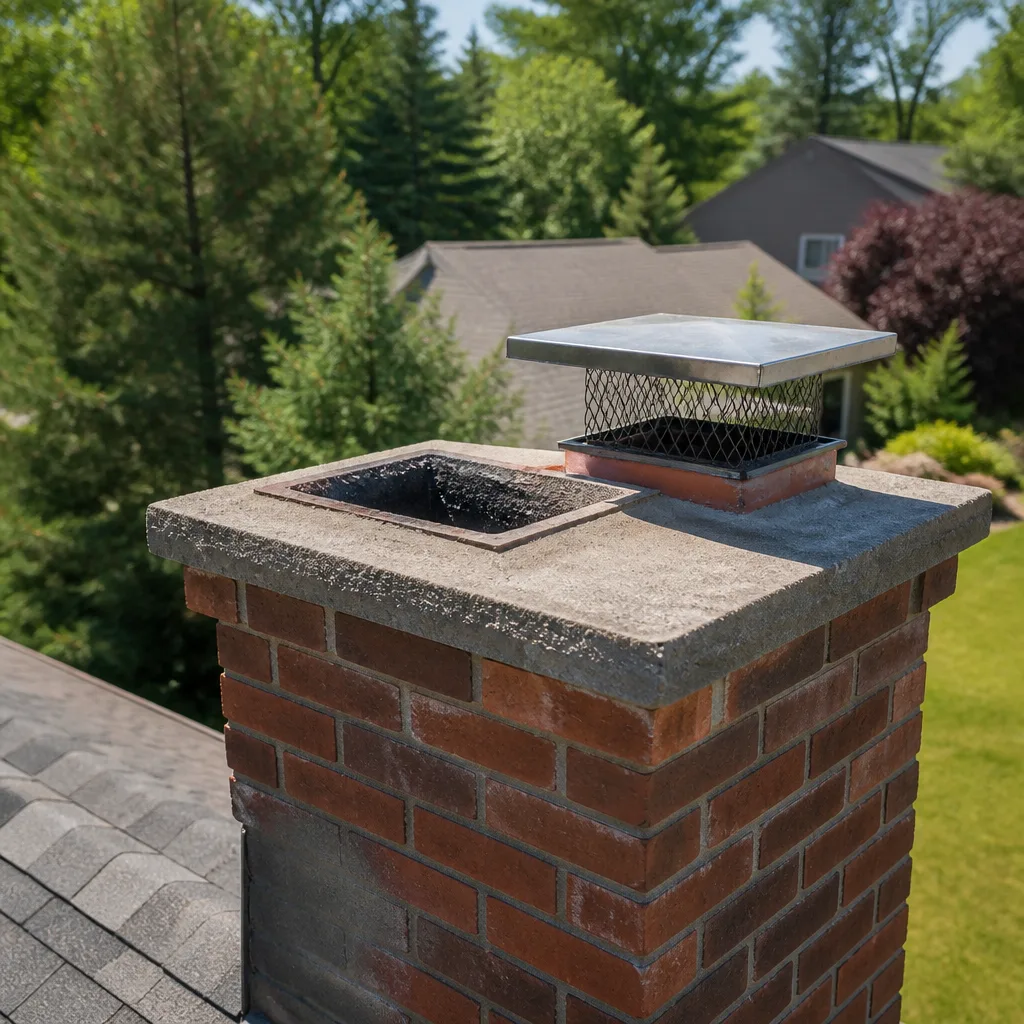
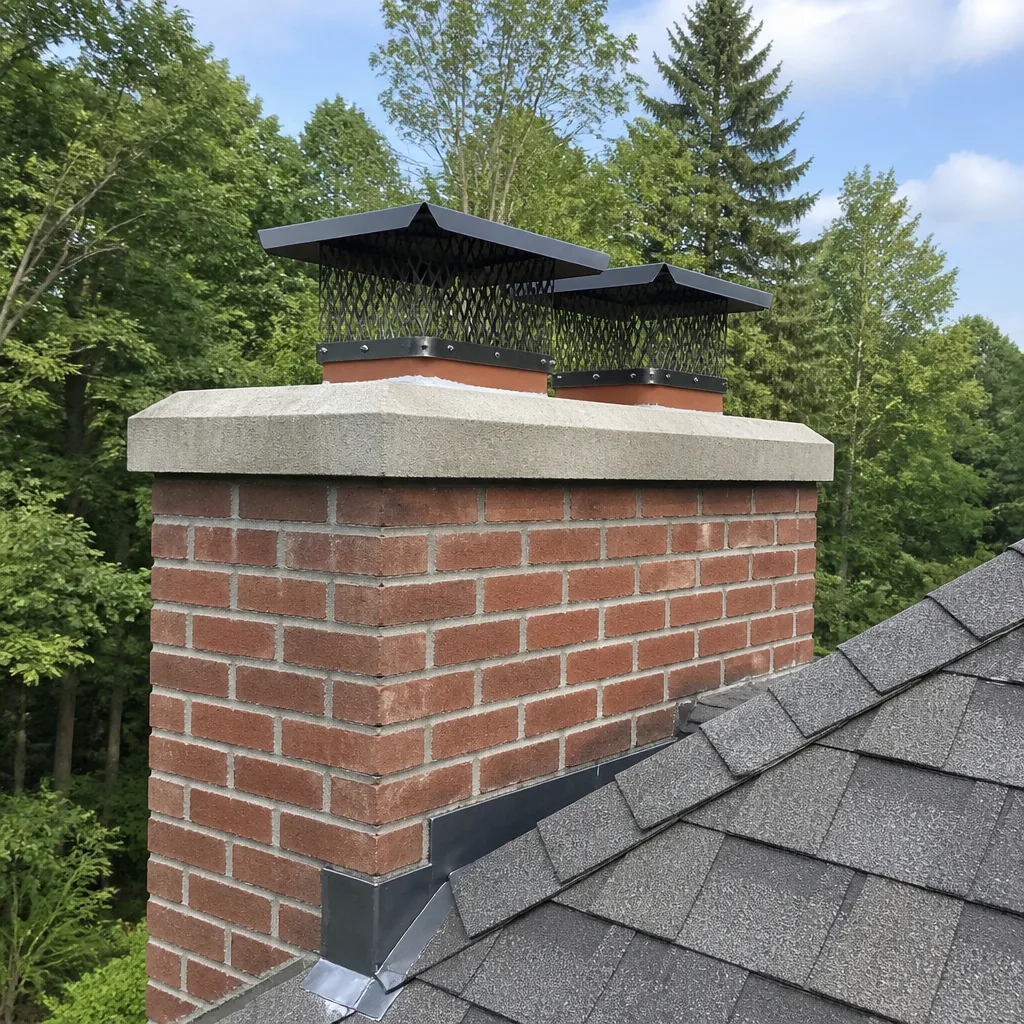
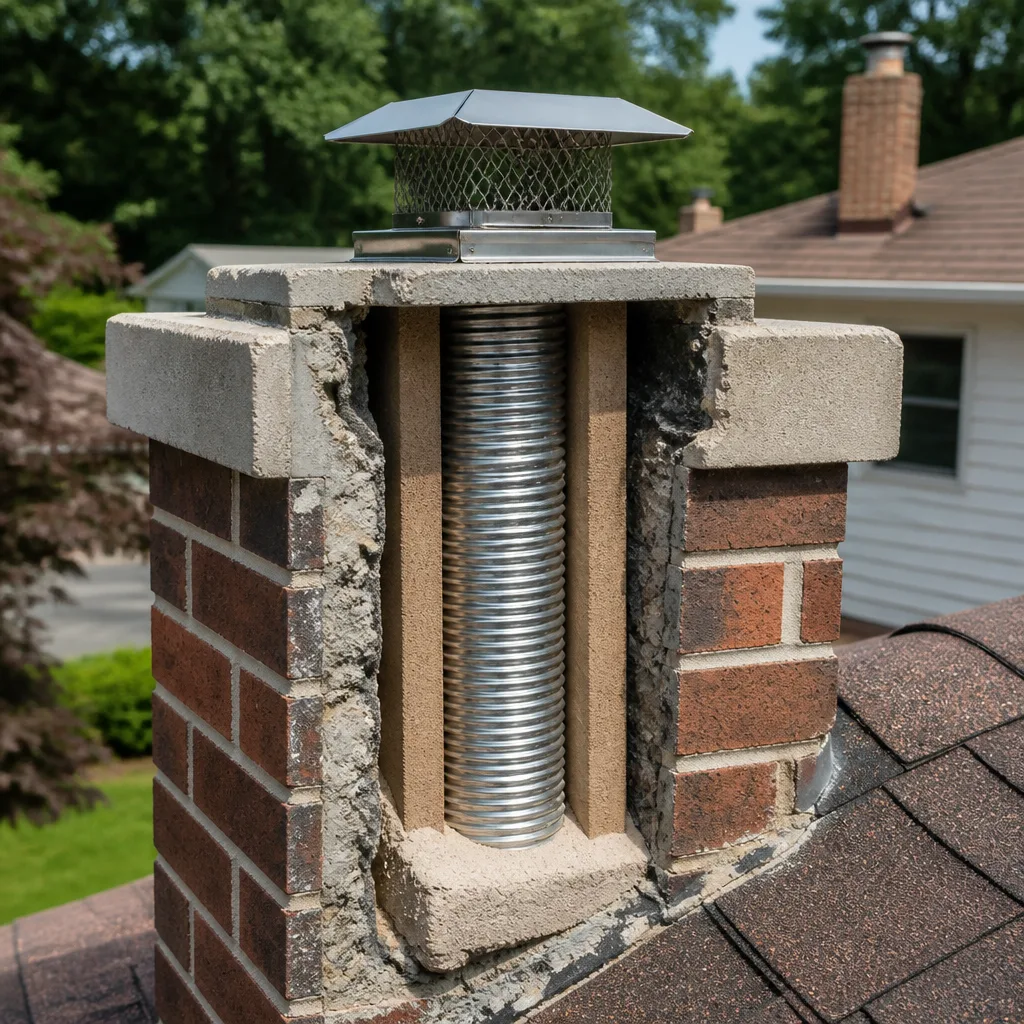
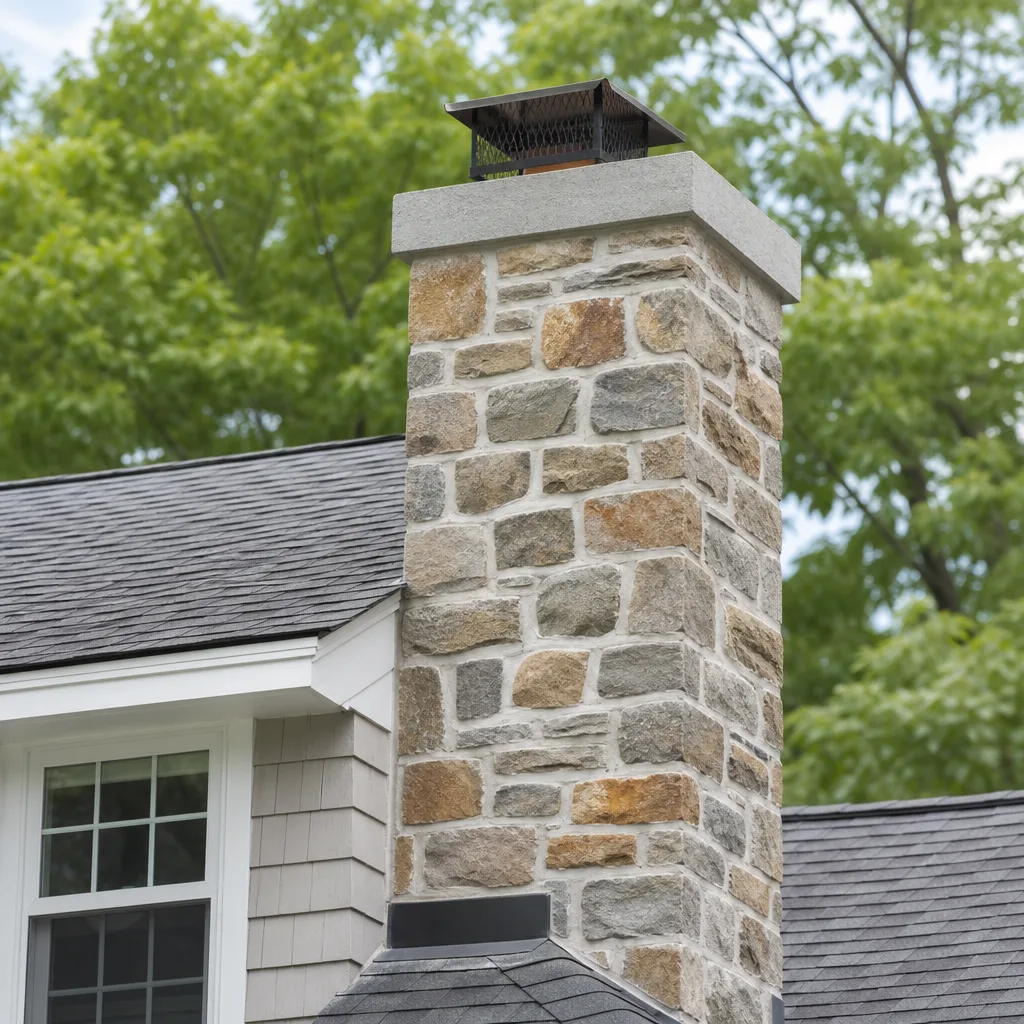
Level 1 sweep and inspection to the NFPA 211 annual standard - flue, crown, cap, and flashing checked and photographed
Chimney sweep logs do not sweep chimneys. They loosen some creosote - which then falls where a brush and vacuum still have to collect it.
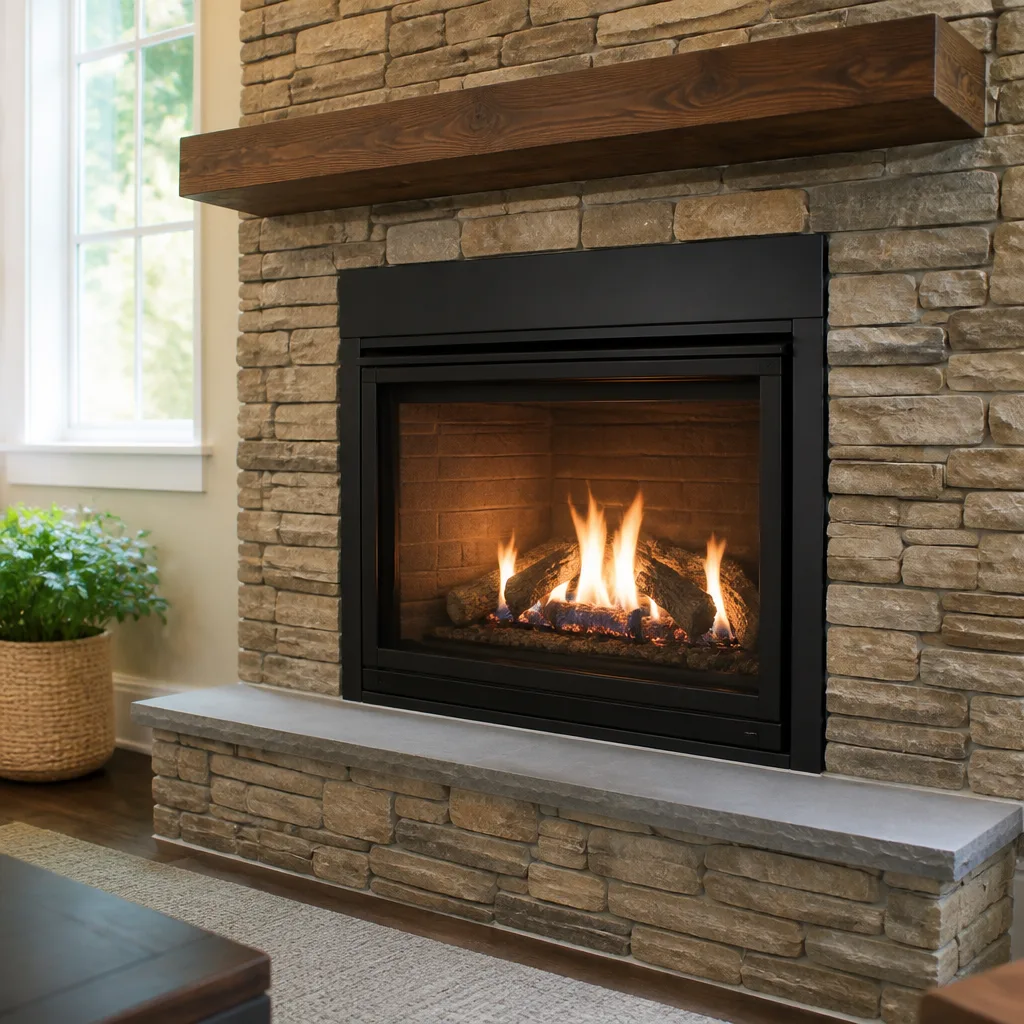
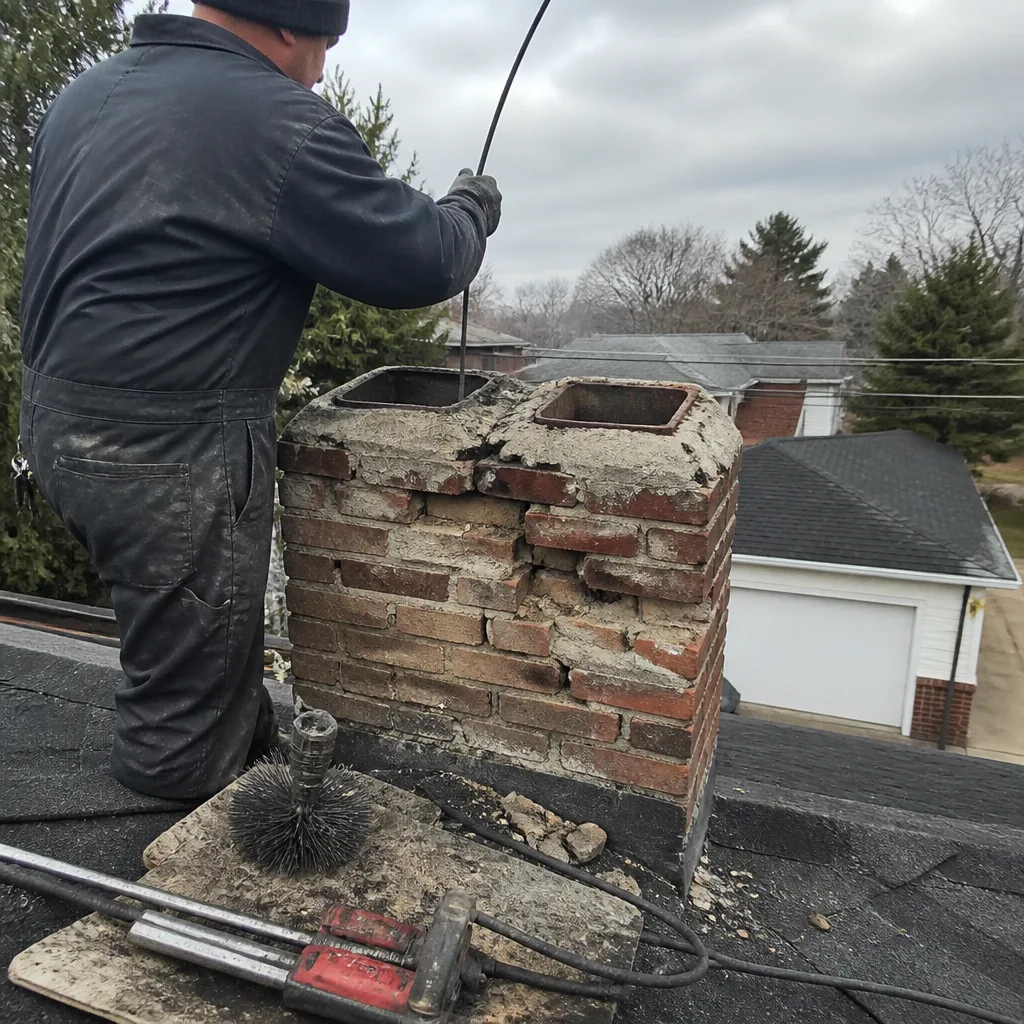 Before
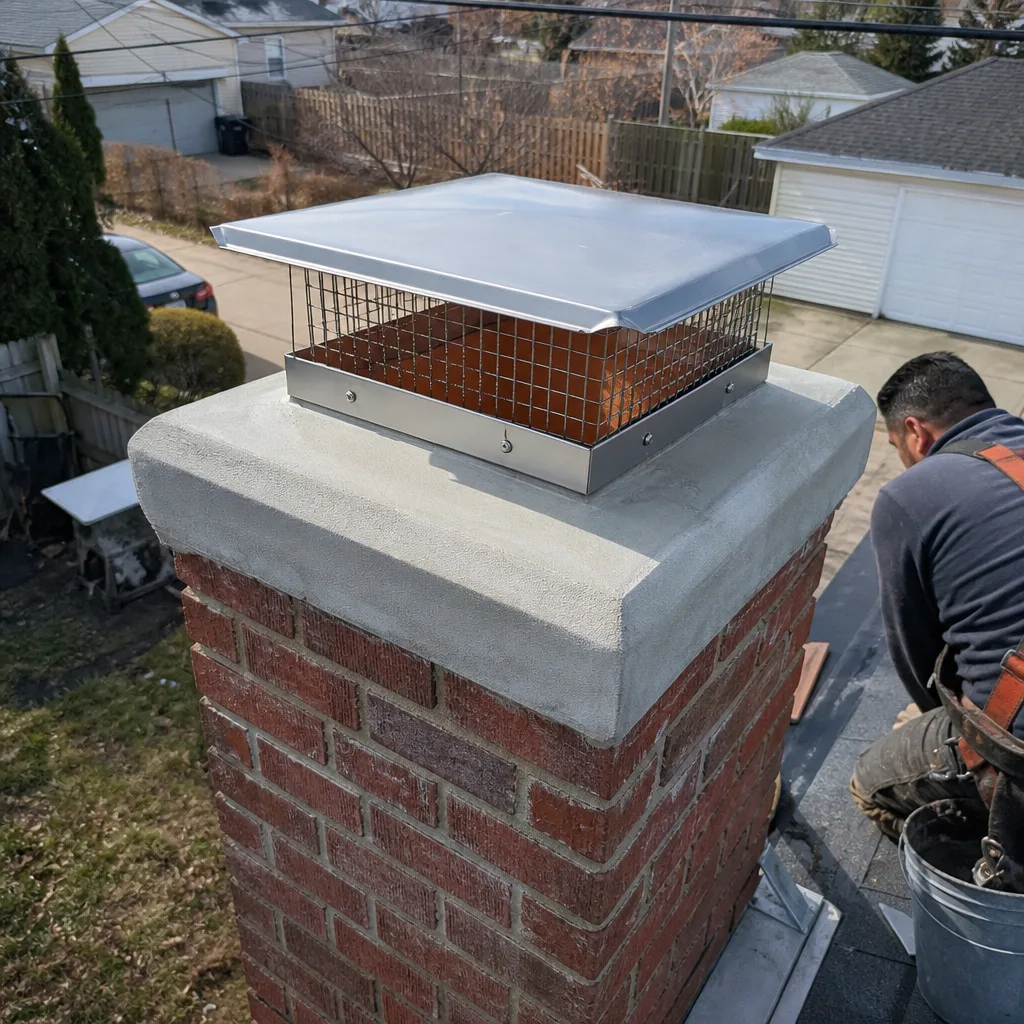 After
After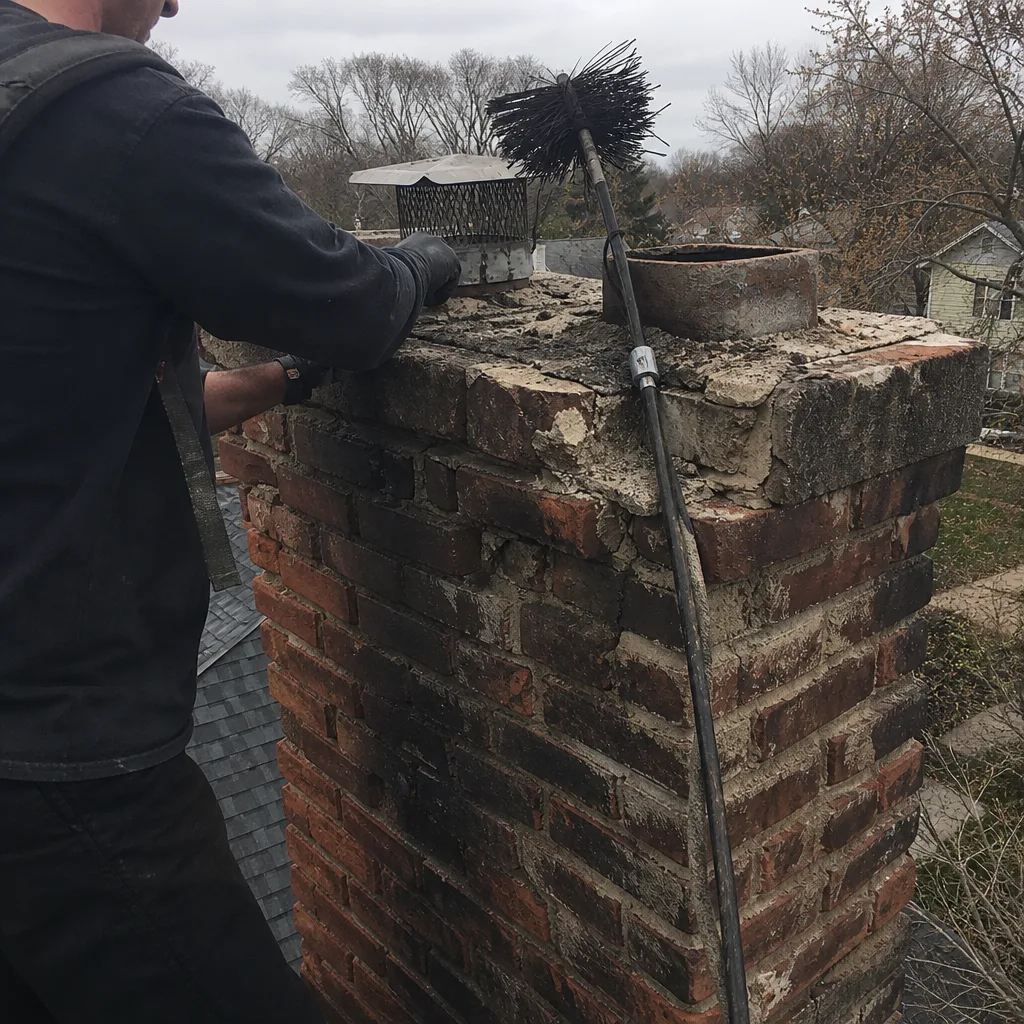 Before
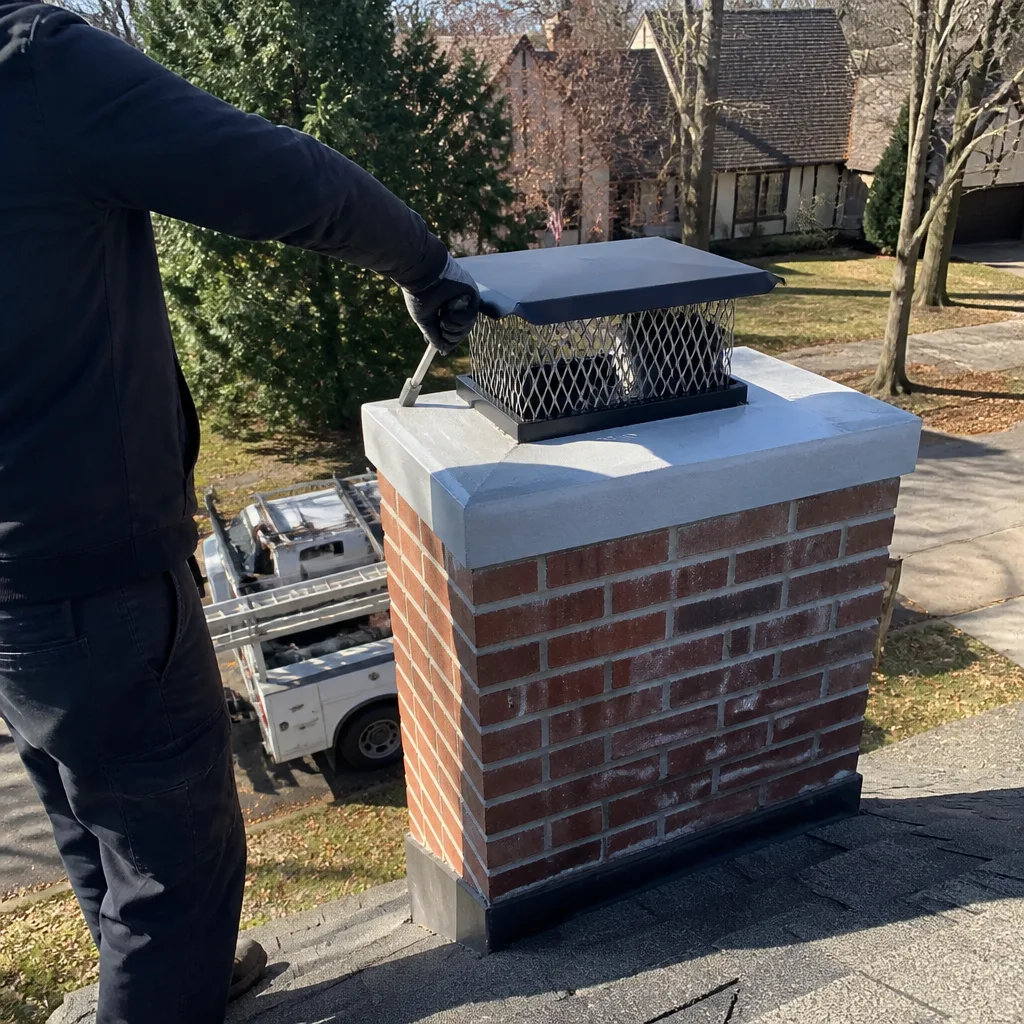 After
After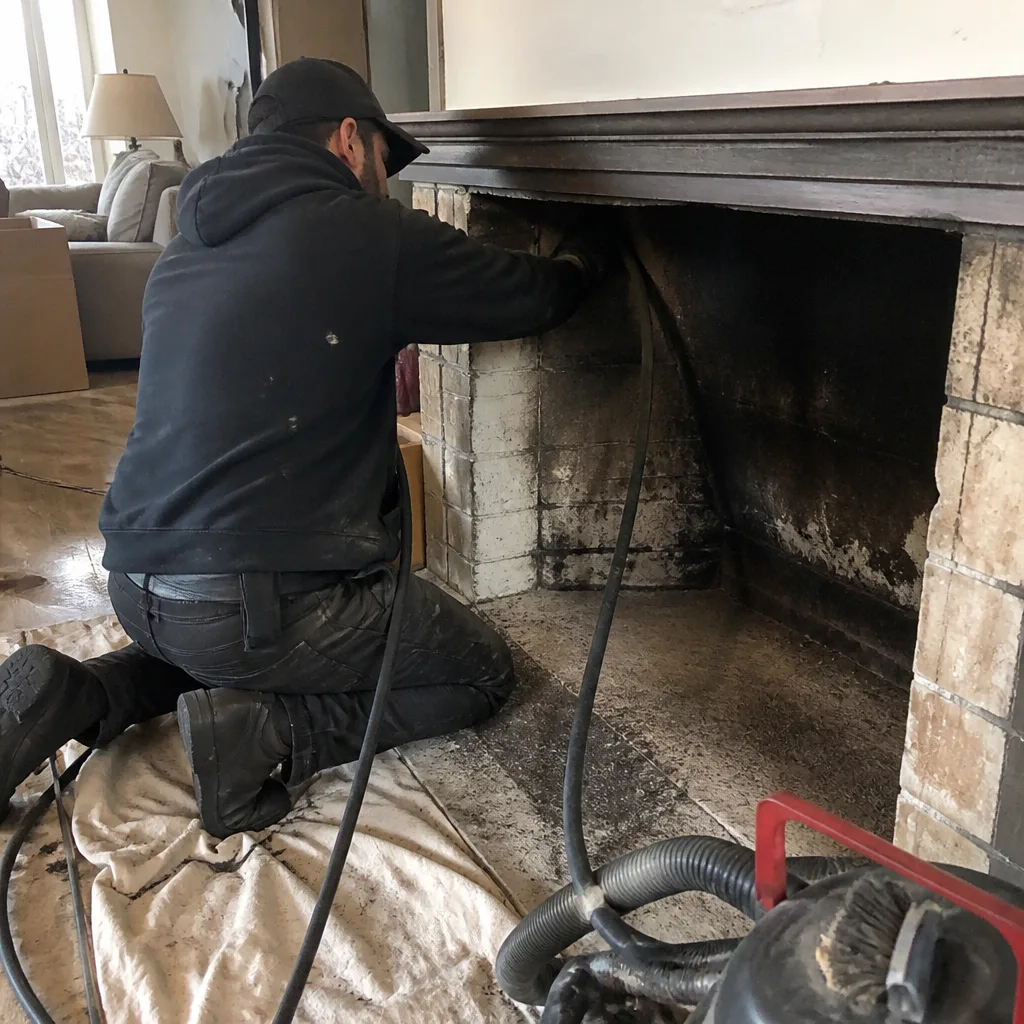 Before
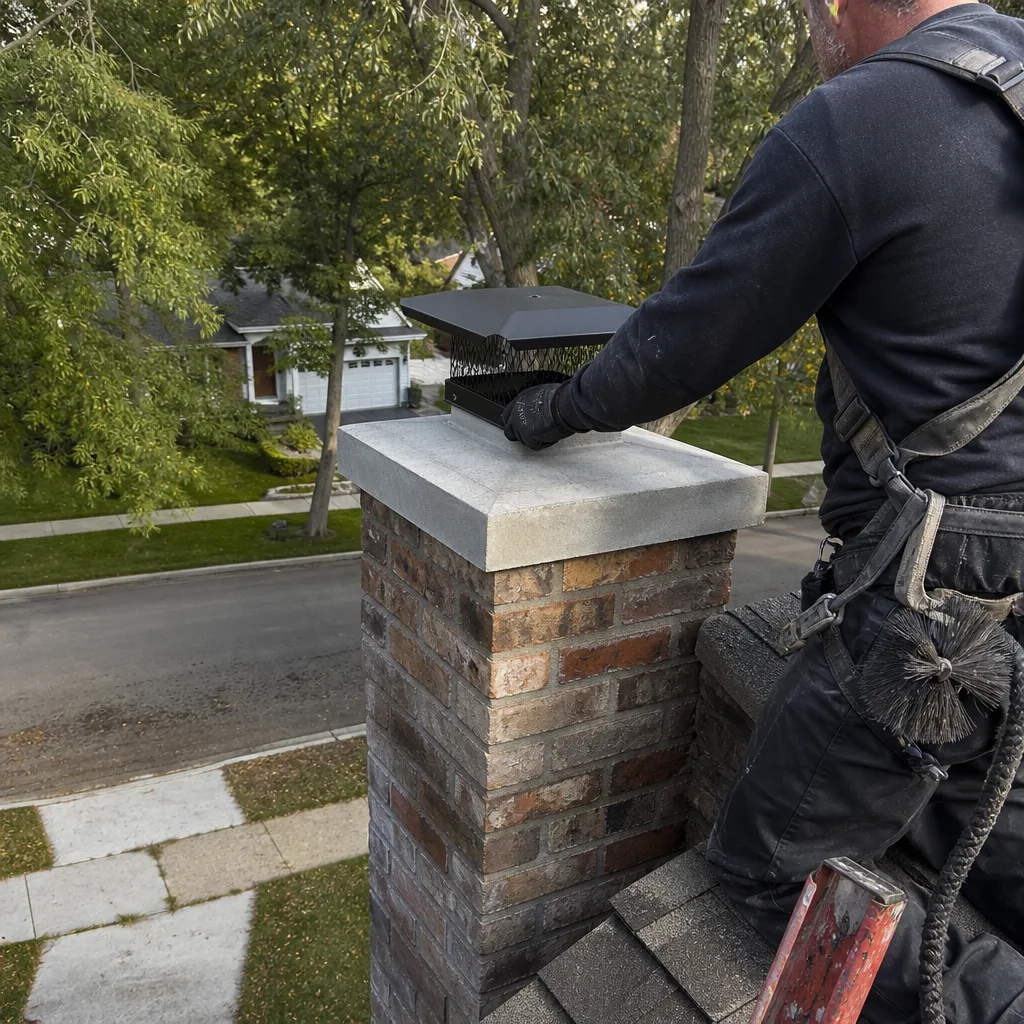 After
AfterSeasonal Chimney Cleaning Care for Elmhurst: Year-Round Homeowner’s Guide
Most Elmhurst homeowners schedule their chimney sweep in October, right before the first fire of the season. That timing isn’t wrong, but it’s incomplete. In our experience inspecting chimneys across Elmhurst since 2009, the freeze-thaw cycle between November and March causes more structural damage to masonry and clay tile liners than a full burn season inflicts on the flue interior. The homeowners who avoid surprise repair bills aren’t the ones who clean in fall and forget. They’re the ones who treat chimney maintenance as two separate timelines: pre-freeze preparation in late summer, and post-winter documentation in early spring. This guide maps exactly what to do, when to do it, and what to look for in Elmhurst’s specific climate, with a chimney cleaning & sweep maintenance checklist for Elmhurst homeowners as your starting point.
Quick Answer
Elmhurst homeowners should schedule chimney maintenance twice yearly: a Level 2 camera inspection and cleaning in late August or September before burn season, and a second structural inspection in April after freeze-thaw stress ends. Between visits, check the cap and crown monthly during leaf season, and document any changes with photos. A rolling three-year inspection record provides the dated evidence insurers and home inspectors find credible, and catches liner deterioration before it becomes a safety hazard.
Table of Contents
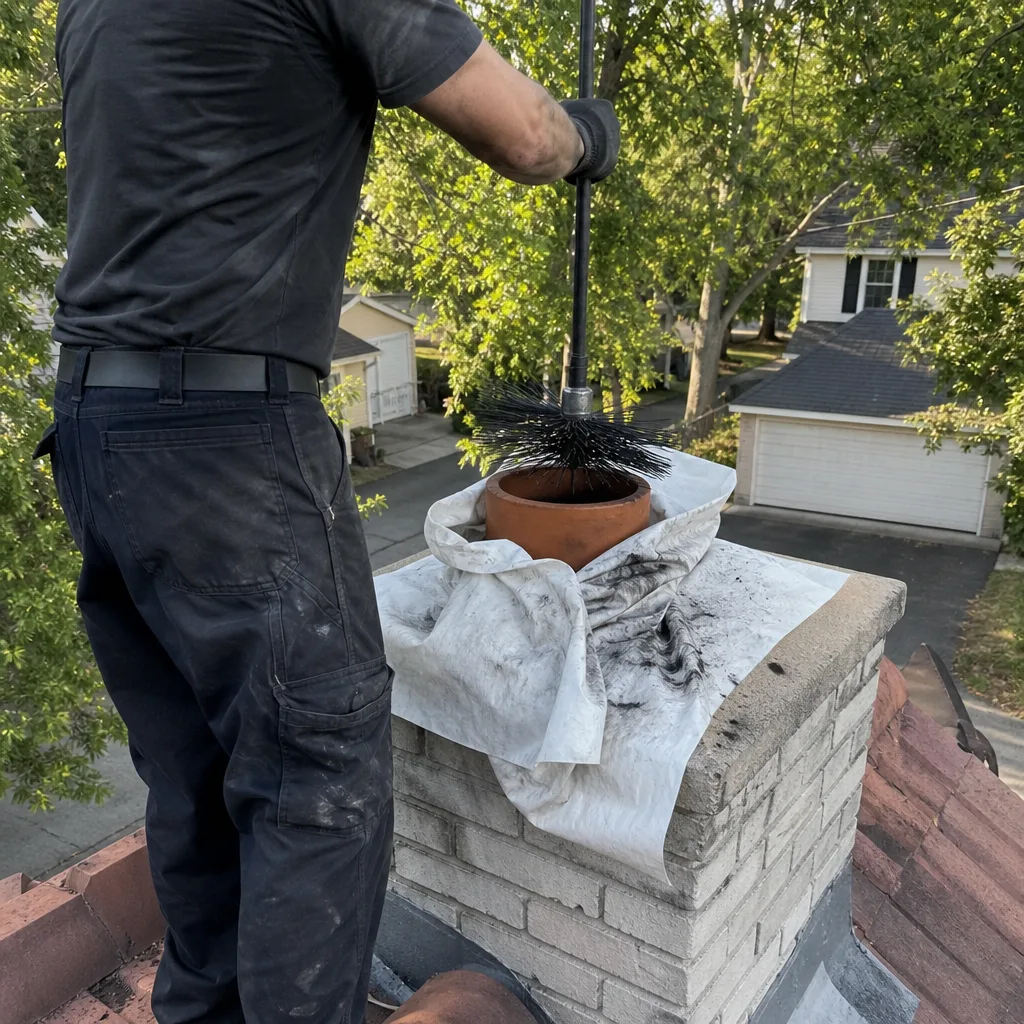
- August-September: The Pre-Freeze Inspection That Actually Matters
- October-November: Burn Season Preparation
- December-February: Monitoring and Safe Burning
- March-April: The Post-Winter Inspection Everyone Skips
- May-July: Off-Season Maintenance and Outdoor Fire Features
- How Elmhurst’s Climate and Tree Canopy Shape Your Schedule
- Building a Three-Year Documentation Record
- What Chimney Maintenance Costs in Elmhurst
 Before
 After
AfterAugust-September: The Pre-Freeze Inspection That Actually Matters
The standard advice says “get your chimney cleaned before winter.” We think the timing should be earlier, and the focus should be different.
In Elmhurst, the first hard freeze typically arrives by mid-October. By then, any moisture that has penetrated your masonry during summer’s humidity has already begun expanding. Schedule your pre-burn inspection in late August or September, and you’re inspecting before freeze-thaw stress begins, not after the damage has started.
Here’s what a proper pre-freeze inspection should cover:
- Crown integrity. The concrete crown at the top of your chimney is the first line of defense against water intrusion. Hairline cracks that seem minor in September become water highways by November. We document crown condition with photos and recommend Chimney Repair in Elmhurst when cracks exceed 1/8 inch or show spalling (surface flaking).
- Cap and spark arrestor function. A missing or damaged cap invites rain, leaves, and animal nesting. In Elmhurst’s mature neighborhoods - the oaks along York Street, the maples in the Crescent area - squirrel and raccoon activity peaks in late summer as animals prepare for winter.
- Masonry joint condition. Tuckpointing needs identified in September can be scheduled before cold weather makes mortar curing unreliable. Freeze-thaw cycles in Elmhurst typically produce 40-60 freeze-thaw events per winter; each one widens existing gaps.
- Flue liner baseline documentation. A Level 2 camera scan establishes the condition of your clay tile liner or stainless steel liner before burn season. This becomes your comparison point for the spring inspection. Clause 4 of the Haven Standard requires this photo record on every job - we’ve included it as standard since 2009.
- Smoke chamber and damper operation. The smoke chamber (the area above the firebox that funnels smoke into the flue) often shows creosote buildup that a basic sweep misses. We check damper seals and operation; a failed damper costs you heated air all winter.
The inspection should include a written price for any recommended work before anyone starts. That’s Haven Standard Clause 1: “Have it in writing.” We’ve delivered written prices on all 38,000+ chimneys we’ve serviced since 2009 - no exceptions.
October-November: Burn Season Preparation
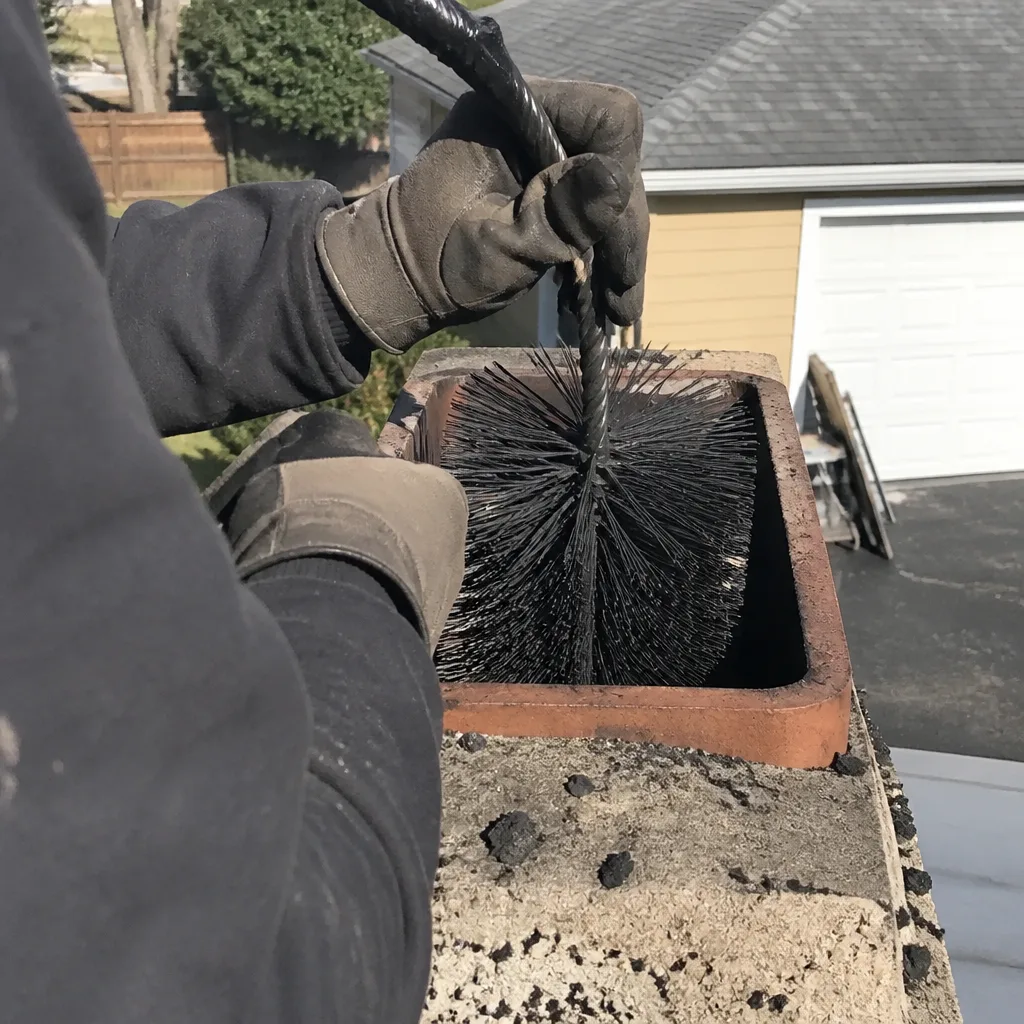
By October, Elmhurst’s overnight temperatures regularly drop below 40°F. If you completed your pre-freeze inspection in September, this phase is straightforward: confirm recommended repairs were completed, verify the sweep was performed, and burn responsibly.
If you’re scheduling now for the first time, here’s the priority order:
- First: Level 2 camera inspection if you have no documentation from the past 12 months. A flashlight look from the top or bottom misses liner cracks, joint gaps, and internal spalling that only a camera reveals.
- Second: Sweep if creosote buildup exceeds 1/8 inch. The National Fire Protection Association (NFPA) 211 standard calls for inspection annually and cleaning as needed. “As needed” in Elmhurst typically means annually for wood-burning fireplaces used more than 20 times per season, every 2-3 years for gas inserts with proper draft.
- Third: Repair any crown, cap, or masonry issues before the first sustained freeze. Mortar work below 40°F requires cold-weather additives and curing protection; it’s better done in September, acceptable in early October, inadvisable after Halloween.
What we find in Elmhurst homes built between 1920 and 1960: many clay tile liners have shifted or cracked from decades of thermal cycling. The camera scan shows this clearly. We explain what we found in plain terms - “the liner has a vertical crack at the third tile joint” - then what it means: “combustible gases can reach the chimney structure, and this condition typically requires liner replacement or relining.”
Our materials for liner work come from DuraFlex and Olympia Chimney, procured through Haven’s buying network. We don’t markup mystery products; we name the manufacturer and show you the specification sheet as part of your written scope.
December-February: Monitoring and Safe Burning
Winter in Elmhurst isn’t when you schedule maintenance. It’s when you monitor for problems that maintenance should have prevented.
Watch for these specific indicators:
- White staining on exterior brick (efflorescence). This means water is moving through the masonry, dissolving salts, and depositing them on the surface. It signals a crown or cap failure you may have missed, or rising groundwater in homes with below-grade flue sections common in Elmhurst’s split-levels.
- Draft problems or smoke spillage. Cold chimney syndrome is real in Elmhurst’s zero-degree January nights. Pre-warm the flue with a small newspaper fire or hair dryer aimed upward for 60 seconds before lighting the main fire. If smoke still spills, stop burning and call - draft issues can indicate blockage or structural flue damage.
- Unusual odors. A strong tar smell when the fireplace isn’t in use often means Class III creosote (glazed, hardened creosote) is present. This requires chemical treatment and mechanical removal; standard sweeping won’t touch it. We’ve treated this condition in Elmhurst homes where homeowners burned unseasoned wood or restricted air flow for “longer burn times.”
- Carbon monoxide detector alerts. Any activation warrants immediate cessation of fireplace use and professional inspection. A blocked or damaged flue can force combustion gases into living spaces. This is not a troubleshooting moment; it’s a safety event.
Safe burning practices for Elmhurst winters: burn only seasoned hardwood (moisture content below 20%), maintain visible flame (starved-air smoldering produces the most creosote), and never burn Christmas tree branches or treated lumber - the resins and chemicals accelerate creosote formation and can ignite violently.
March-April: The Post-Winter Inspection Everyone Skips
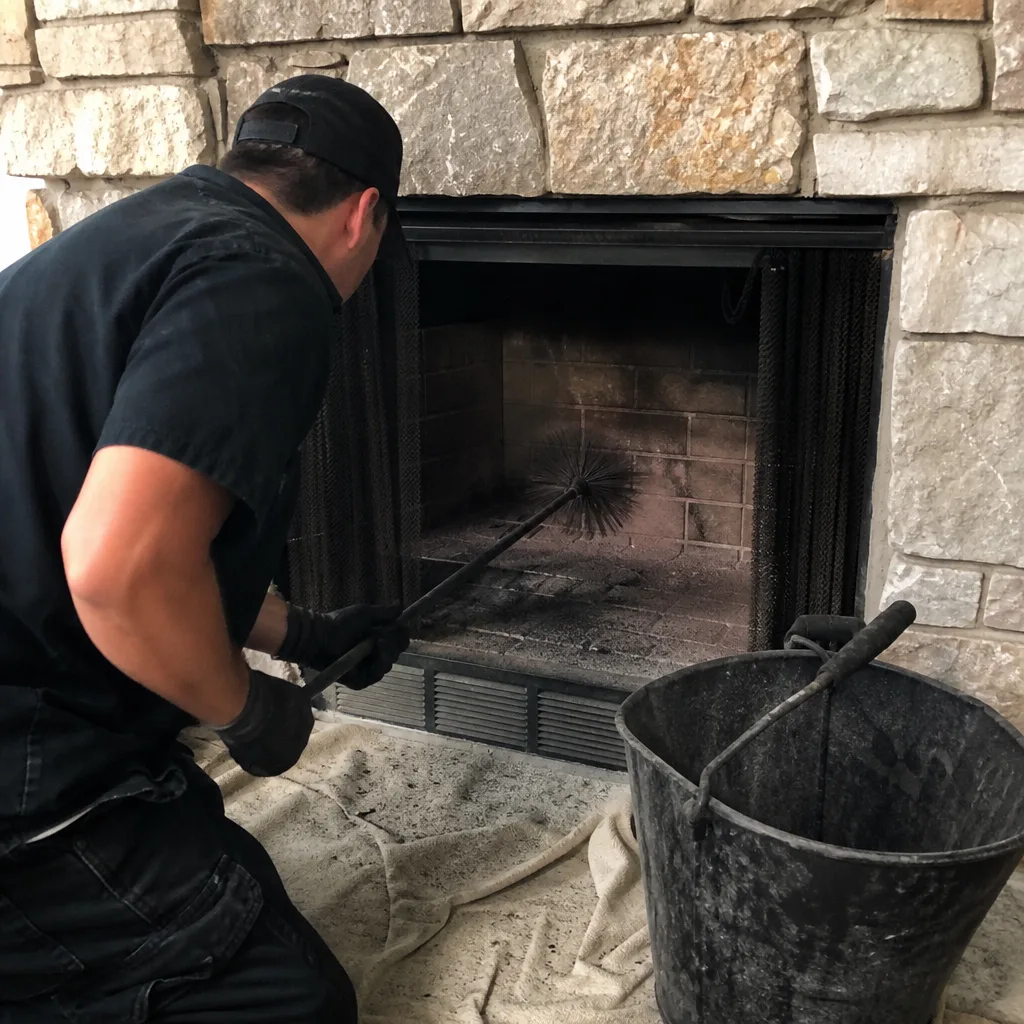
This is the inspection that separates homeowners who spend $400 every three years from those who spend $4,000 unexpectedly.
Freeze-thaw damage doesn’t announce itself. It accumulates invisibly in mortar joints, in hairline liner cracks, in crown deterioration. By March, Elmhurst has typically endured 50+ freeze-thaw cycles. The damage is done. April is when you document it, before spring rains accelerate the problem and before you forget what “normal” looked like last fall.
What a post-winter inspection specifically targets:
- Liner condition comparison. We pull your September camera record and compare it side-by-side with the current scan. New cracks, shifted tiles, or joint separation that wasn’t visible six months ago indicates freeze-thaw movement. This dated comparison is what insurance adjusters find credible when you file a claim - “the liner was intact in September 2024 and cracked by April 2025” is a documented fact, not a homeowner’s memory.
- Efflorescence and spalling documentation. Spalling (the flaking or peeling of brick faces) accelerates rapidly once it starts. Early-stage spalling in April can be addressed with crown repair and water repellent treatment. Late-stage spalling discovered in October often requires partial rebuild.
- Smoke chamber and firebox inspection. Thermal cycling from winter use may have opened new cracks in the smoke chamber or damaged firebrick. These are fire-safety issues - combustible framing sits directly behind these components in most Elmhurst construction.
- Damper and throat condition. Metal fatigue from repeated heating and cooling may have affected damper operation. A damper that doesn’t fully close costs you air conditioning efficiency all summer.
The April inspection also catches problems from winter storm events. Elmhurst’s position in the Chicago metro means lake-effect snow and wind-driven rain that can dislodge caps or damage crowns. We’ve replaced caps in April that were intact in November - the homeowner never knew until the camera went down.
Chimney Cleaning & Sweep in Elmhurst includes this post-winter documentation as part of our standard service cycle. We don’t charge extra for the comparison report; it’s part of the record we maintain under Haven Standard Clause 4.
May-July: Off-Season Maintenance and Outdoor Fire Features
Chimney maintenance doesn’t stop when burn season ends. Elmhurst homeowners increasingly use outdoor fireplaces and fire pits from April through October - a separate combustion system with its own maintenance calendar.
Outdoor masonry fireplaces face accelerated weathering. They’re exposed to rain without the protection of a roof overhang, and Elmhurst’s summer humidity keeps masonry damp for days after storms. We inspect outdoor units in May, before heavy use begins, checking for:
- Crown and cap integrity (outdoor units lack the roof protection indoor chimneys have)
- Firebox floor condition - thermal shock from rain hitting hot surfaces causes spalling
- Spark arrestor function, especially important in Elmhurst’s dry late-summer periods
- Clearance to vegetation - mature oaks and maples drop branches; ensure 10-foot minimum
For indoor chimneys, summer is documentation season. Organize your inspection reports, photo records, and written scopes. If you’re selling your Elmhurst home, buyers’ inspectors will ask for this documentation. A three-year record from a recognized sweep company carries more weight than a single recent receipt.
Summer is also when we schedule liner replacements and rebuilds. These are weather-dependent projects best completed in dry, moderate conditions. Mortar cures properly, roofing work around the chimney proceeds without ice dam risk, and you won’t need the fireplace for months.
Materials for summer projects - Gelco caps, Famco dampers, HeatShield resurfacing products - are sourced through Haven’s buying network. We show you the manufacturer spec sheets as part of your written scope, not after installation is complete.
How Elmhurst’s Climate and Tree Canopy Shape Your Schedule
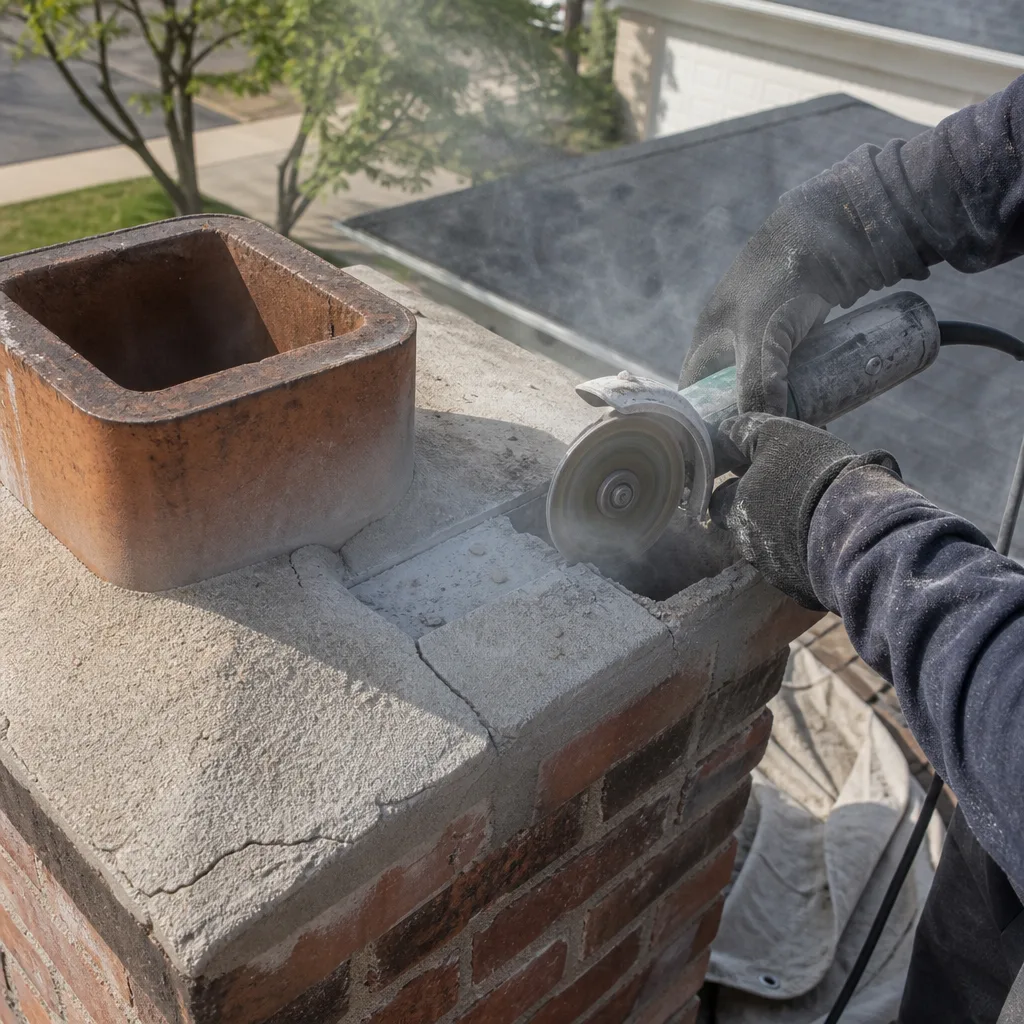
Elmhurst’s specific environment creates maintenance needs that generic chimney advice misses.
Freeze-thaw severity. Elmhurst experiences more annual freeze-thaw cycles than downstate Illinois because of lake-effect temperature moderation. The ground doesn’t freeze as deeply, but surface temperatures fluctuate above and below freezing more frequently. This is harder on chimney crowns and mortar joints than sustained cold. A crown that survives five years in Springfield may fail in three in Elmhurst.
Mature tree canopy. Elmhurst’s street trees - oaks on older streets, maples in the north side neighborhoods, the occasional elm that survived Dutch elm disease - create specific chimney risks:
- Leaf accumulation in unused flues during summer, creating blockage and moisture retention
- Squirrel and raccoon access via overhanging branches; we find nests most often in chimneys capped with homemade wire mesh rather than proper Gelco or Olympia Chimney caps
- Branch strike damage during summer storms, often unnoticed until the fall inspection reveals cap displacement or crown cracking
- Root pressure on older homes with shallow foundations, potentially affecting chimney footing stability in pre-1940 construction
Soil and foundation context. Elmhurst’s clay-heavy soils expand and contract with moisture. This movement affects chimney structure, particularly in homes where the chimney is external to the foundation footprint. We’ve documented more chimney separation from wall structures in Elmhurst’s south-side neighborhoods, where 1950s-60s split-levels with exterior chimneys are common, than in the older central areas where chimneys are internal to the structure.
Local code and permit considerations. Elmhurst requires chimney cleaning permits, codes & inspections in IL for rebuilds and liner replacements that alter the flue size or material. We handle permit applications as part of our project scope, with the permit number noted on your written documentation. This matters for resale - unpermitted chimney work is a common home inspection flag in Elmhurst’s active market.
Building a Three-Year Documentation Record
A single inspection report is a snapshot. A dated series is a trend line, and trend lines are what prevent surprise failures.
Here’s how to build and maintain a credible record:
- Request the photo record. Clause 4 of the Haven Standard requires we provide dated, labeled photos from every camera inspection. These should show the full flue length, the crown from above, the firebox and smoke chamber, and any specific conditions found. Store these with your home records, not in the sweep company’s files alone.
- Demand consistent terminology. Each report should use the same descriptors for the same components: “clay tile liner, 8×12 flue, 18 courses visible” - not vague language that prevents year-to-year comparison. Our reports specify liner material, dimensions, visible course count, and condition ratings for each zone.
- Note any changes in use patterns. Switched from occasional to frequent burning? Added a wood stove insert? Changed fuel type? These affect creosote accumulation rates and thermal stress on components. Document them alongside inspection dates.
- Keep written scopes and warranties together. Any repair work should include a written scope (what was done), written price (what it cost), and written warranty (what’s covered). Our 365-Day Done Right Promise covers all work; the warranty document specifies what’s included and how to invoke it.
- Schedule the cycle. Set recurring calendar reminders: late August for pre-freeze inspection, late April for post-winter documentation. The three-year record builds itself if you maintain the cycle.
When you sell your Elmhurst home, this documentation answers buyer questions before they become inspection objections. When you file an insurance claim, it establishes pre-loss condition. When you need a second opinion on another company’s recommendation, it provides the baseline for comparison.
We offer free second opinions on any written estimate. Bring us another company’s scope and price; we’ll review it against your documentation and tell you where we agree, where we differ, and why. No charge, no obligation.
What Chimney Maintenance Costs in Elmhurst
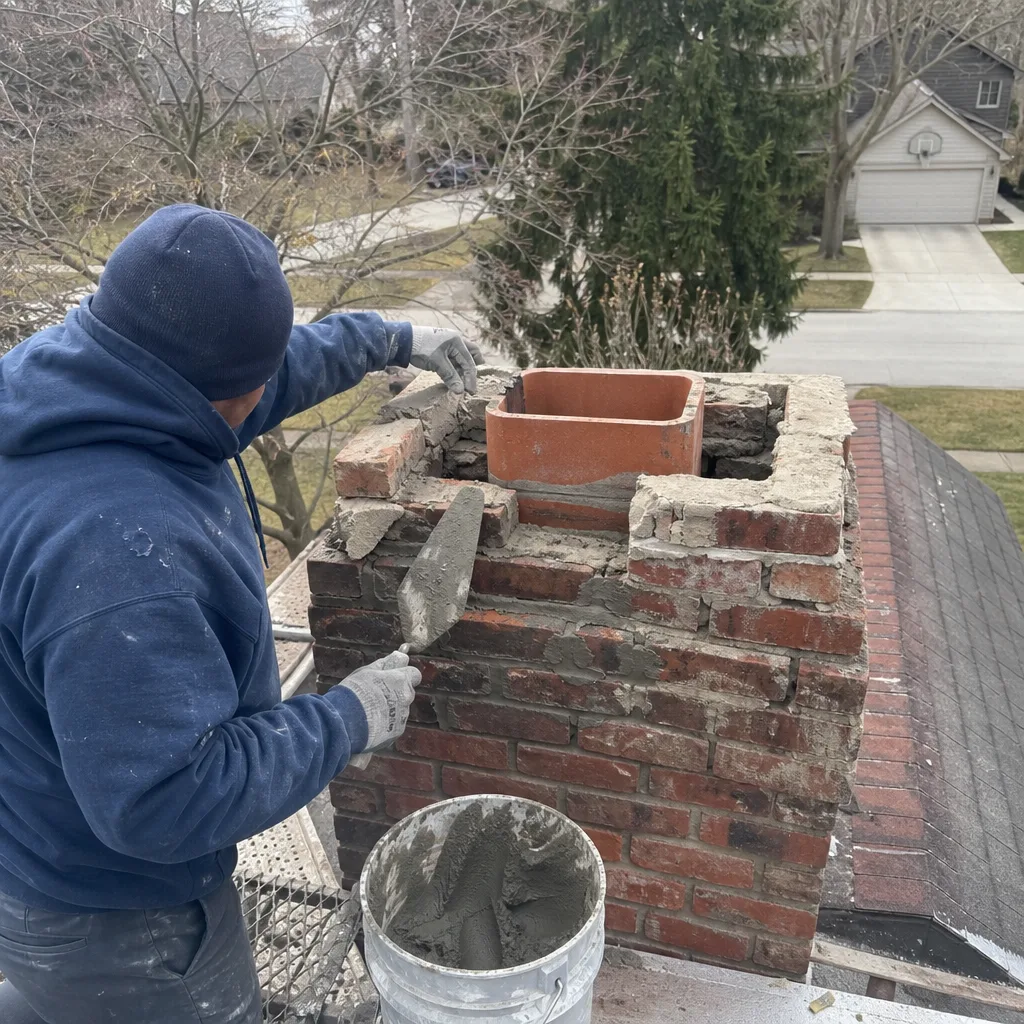
Specific pricing matters. For a detailed breakdown, see our Chimney Cleaning Cost Breakdown: The Elmhurst Homeowner’s Reference for 2026. Here’s what Elmhurst homeowners typically invest, based on our 38,000+ jobs since 2009:
| Service | Typical Range | What’s Included |
|---|---|---|
| Level 2 camera inspection | $189 - $249 | Full flue scan, crown inspection, firebox/smoke chamber check, photo record, written report |
| Chimney sweep (with inspection) | $269 - $349 | Inspection as above, plus rotary sweep, debris removal, damper cleaning, written scope for any needed repairs |
| Crown repair (minor crack sealing) | $350 - $550 | Surface prep, flexible crown coating, edge seal, photo documentation |
| Crown rebuild (partial) | $850 - $1,400 | Form and pour new concrete crown, proper slope and overhang, sealant |
| Chimney cap installation (standard) | $285 - $475 | Stainless steel or copper cap, proper sizing, animal-proof mesh, installation |
| Clay tile liner repair (HeatShield) | $1,800 - $2,800 | Smoke chamber resurfacing, liner joint repair, camera verification, written warranty |
| Stainless steel liner installation | $2,800 - $4,500 | DuraFlex or Olympia Chimney liner, proper sizing, insulation, connection, permit, documentation |
| Partial rebuild (above roofline) | $3,500 - $7,500 | Scaffolding, brick matching, mortar matching, crown, cap, cleanup, permit |
These are ranges, not quotes. Your exact price depends on access, height, existing condition, and specific components needed. We deliver a written price before any work starts - always, with no exceptions. That’s Haven Standard Clause 1.
Factors that increase cost in Elmhurst specifically: steep-pitch roofs common in Tudor-style homes (scaffolding complexity), exterior chimneys on split-levels (footing access), and matching historic brick in the central neighborhoods (specialty sourcing). We note these in your written scope so there are no surprises.
Common Mistakes to Avoid
- Waiting for October to schedule. By then, Elmhurst’s reputable sweeps are booked 3-4 weeks out, and any needed repairs face weather delays. Schedule in late August or early September.
- Accepting a flashlight inspection as sufficient. A flashlight look from top or bottom reveals perhaps 30% of flue surface. Camera inspection is the NFPA 211 Level 2 standard for a reason. We’ve found cracked tiles and missing mortar joints that flashlight inspections missed for years.
- Ignoring the April inspection. Spring documentation catches freeze-thaw damage while it’s still repairable. Waiting until the next fall means six more months of water intrusion through damaged masonry.
- Assuming gas fireplaces need no maintenance. Gas inserts produce corrosive condensation and can develop draft blockages from deteriorated liner connections. Annual inspection applies to all fuel types.
- Using the chimney as a vent for other appliances without inspection. In older Elmhurst homes, water heaters or furnaces sometimes share a flue. This requires specific sizing and liner evaluation; an uninspected shared flue is a carbon monoxide risk.
- DIY cap installation with hardware-store mesh. Improper materials rust, clog with creosote, and invite animal entry. We’ve removed dozens of “squirrel-proof” homeowner caps that became squirrel highways.
- Discarding old inspection reports. The three-year trend line is only valuable if you keep the records. Digital or paper, maintain the file.
When to Call a Professional
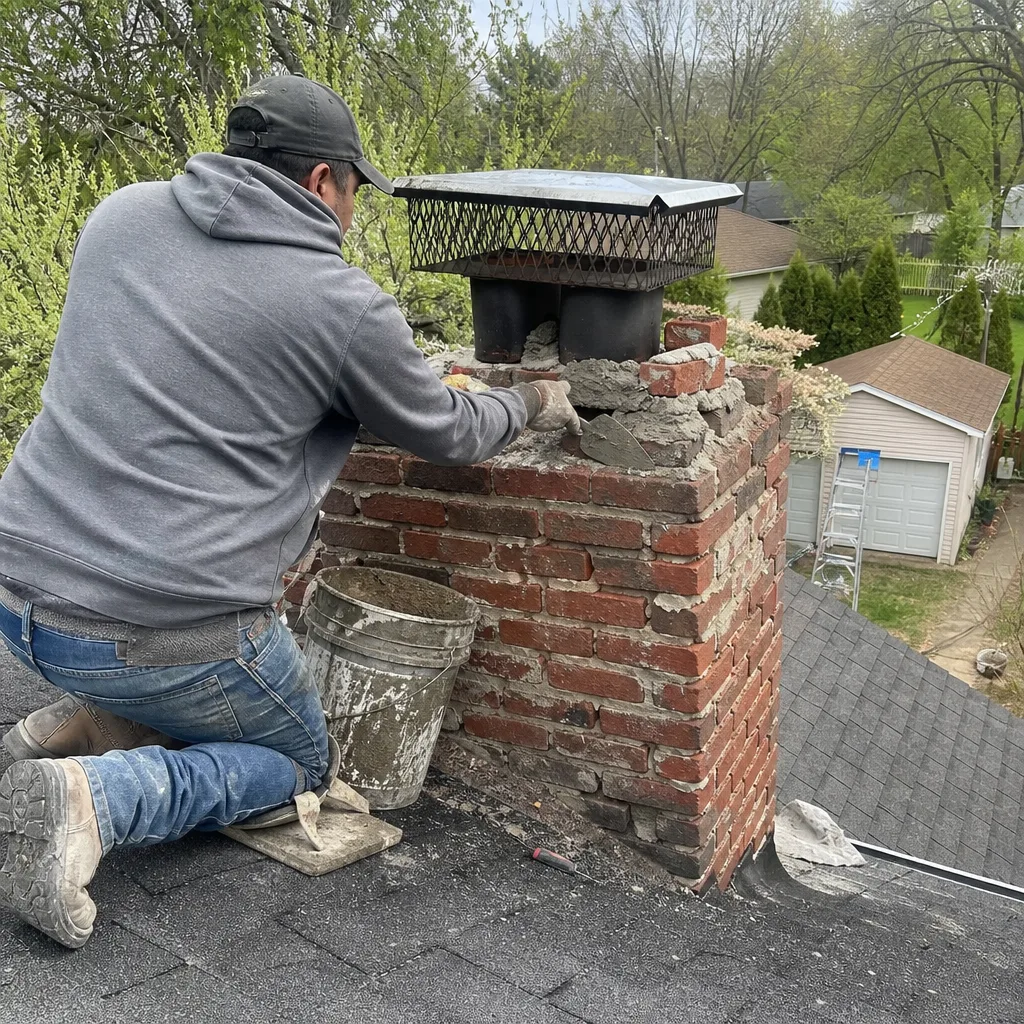
Call for immediate inspection if you detect smoke spillage into the room, persistent unusual odors, visible cracks in the firebox or smoke chamber, or any carbon monoxide detector activation. These are safety events, not maintenance scheduling.
Call for scheduled service if you’re approaching 12 months since your last Level 2 inspection, if you’ve purchased a home with no chimney documentation, if you’re changing fuel types or adding an insert, or if you’re preparing to sell and need current condition documentation.
Level Two Chimney Elmhurst offers free estimates in Elmhurst - call (708) 498-3199. Every estimate includes a written price, written scope, and explanation of what we found and what it means. Live phone support runs 24 hours a day, 7 days a week. Background-checked, uniformed technicians; license information on every page; text notification when your tech is en route.
Frequently Asked Questions
A professional chimney sweep with Level 2 camera inspection in Elmhurst typically costs between $269 and $349, including the full flue scan, photo documentation, and written report. Level Two Chimney Elmhurst delivers a written price before any work starts - call (708) 498-3199 for your exact quote; estimates are free.
The NFPA 211 standard requires annual inspection for all chimneys, with cleaning frequency depending on use and fuel type. Wood-burning fireplaces used regularly in Elmhurst typically need annual sweeping; gas inserts every 2-3 years; and rarely used fireplaces still require annual inspection for animal intrusion and moisture damage. The freeze-thaw cycle makes the annual inspection non-negotiable regardless of burn frequency.
You need liner replacement when the camera scan shows cracks, gaps, or deterioration that allows combustion gases to reach combustible building materials - not before, and not after. We show you the camera footage and explain exactly what we found and what the code requires. Some conditions allow monitored waiting with annual re-inspection; others require immediate action. Nothing is recommended without camera evidence you can see for yourself. Call (708) 498-3199 for a free second opinion on any liner replacement recommendation.
Skipped maintenance leads to three predictable outcomes: creosote accumulation increases chimney fire risk (Elmhurst Fire Department responds to multiple chimney fires annually); moisture intrusion through deteriorated crowns and caps causes structural damage that costs 5-10 times more than preventive maintenance; and undetected liner damage creates carbon monoxide exposure risk. The April inspection specifically catches freeze-thaw damage before it compounds through another winter.
Mature oaks and maples common in Elmhurst’s older neighborhoods produce leaf accumulation in unused flues, provide squirrel and raccoon access routes, and drop branches that can damage caps and crowns. We find more animal nesting and debris blockage in Elmhurst chimneys capped with homemade solutions than in communities with younger, smaller tree stock. A proper cap installation with animal-proof mesh prevents these problems.
A Level 1 inspection is a visual examination of readily accessible portions of the chimney exterior and interior, appropriate for chimneys under continued service with no changes. A Level 2 inspection adds camera scanning of the full flue interior, accessible portions of the attic and basement, and inspection of the chimney exterior from the roof - required for real estate transactions, after chimney fires or weather events, and when changing appliances or fuel types. Level Two Chimney Elmhurst performs Level 2 as our default; it’s the standard our company name references and the inspection we’ve delivered since 2009.
The Bottom Line
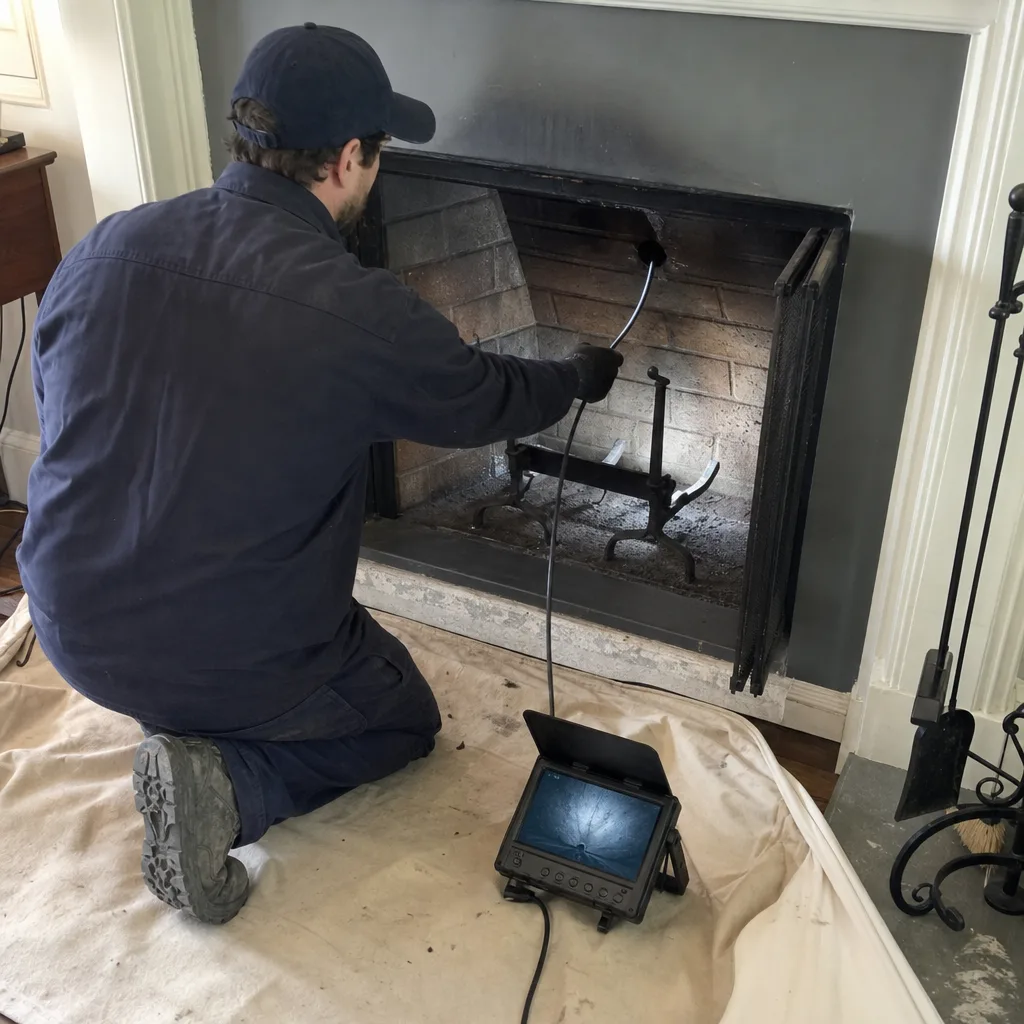
Elmhurst chimney maintenance runs on two timelines, not one. The pre-freeze inspection in late August or September prepares your chimney for burn season and freeze-thaw stress. The post-winter documentation in April catches structural damage while it’s still repairable. Between these bookends, monitor for warning signs and maintain your three-year documentation record. The homeowners who avoid surprise four-figure repair bills aren’t luckier; they’re simply inspecting twice yearly instead of once, and they’re demanding camera evidence they can see for themselves. Start your record this season. Call (708) 498-3199 for a free estimate with written price, written scope, and the documented photo record that’s been our standard since 2009.
Written by Corrine Halstead, Owner at Level Two Chimney Elmhurst, serving Elmhurst since 2009.