
Last updated September 22, 2026
Level 1 sweep and inspection to the NFPA 211 annual standard - flue, crown, cap, and flashing checked and photographed
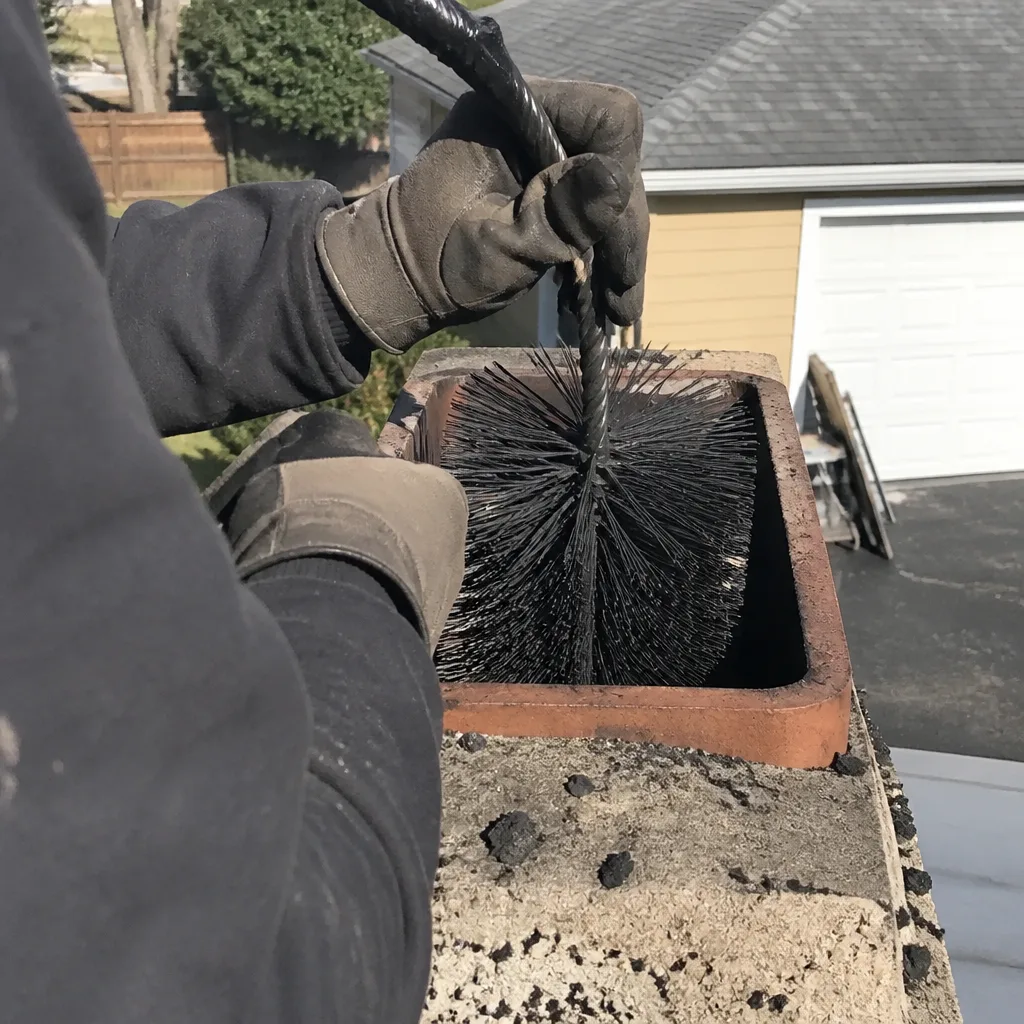
Chimney sweep logs do not sweep chimneys. They loosen some creosote - which then falls where a brush and vacuum still have to collect it.
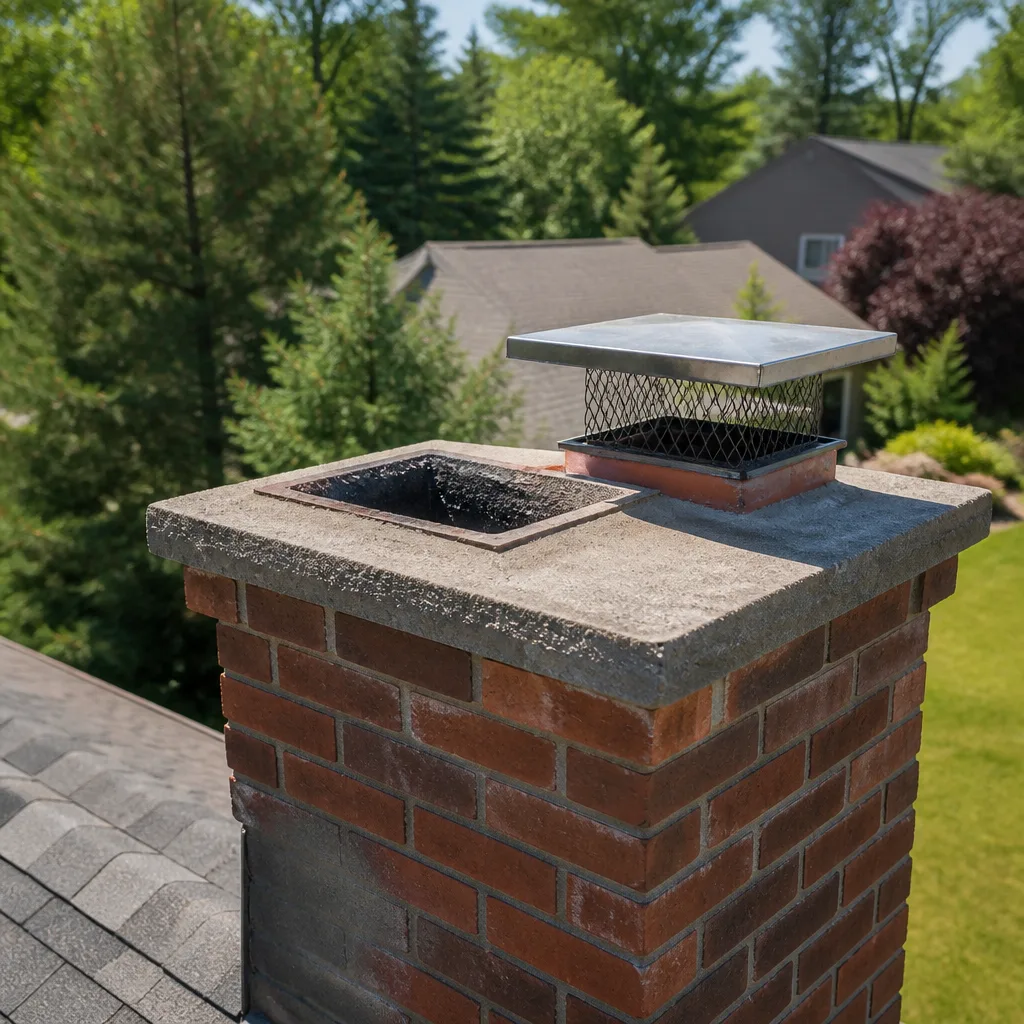
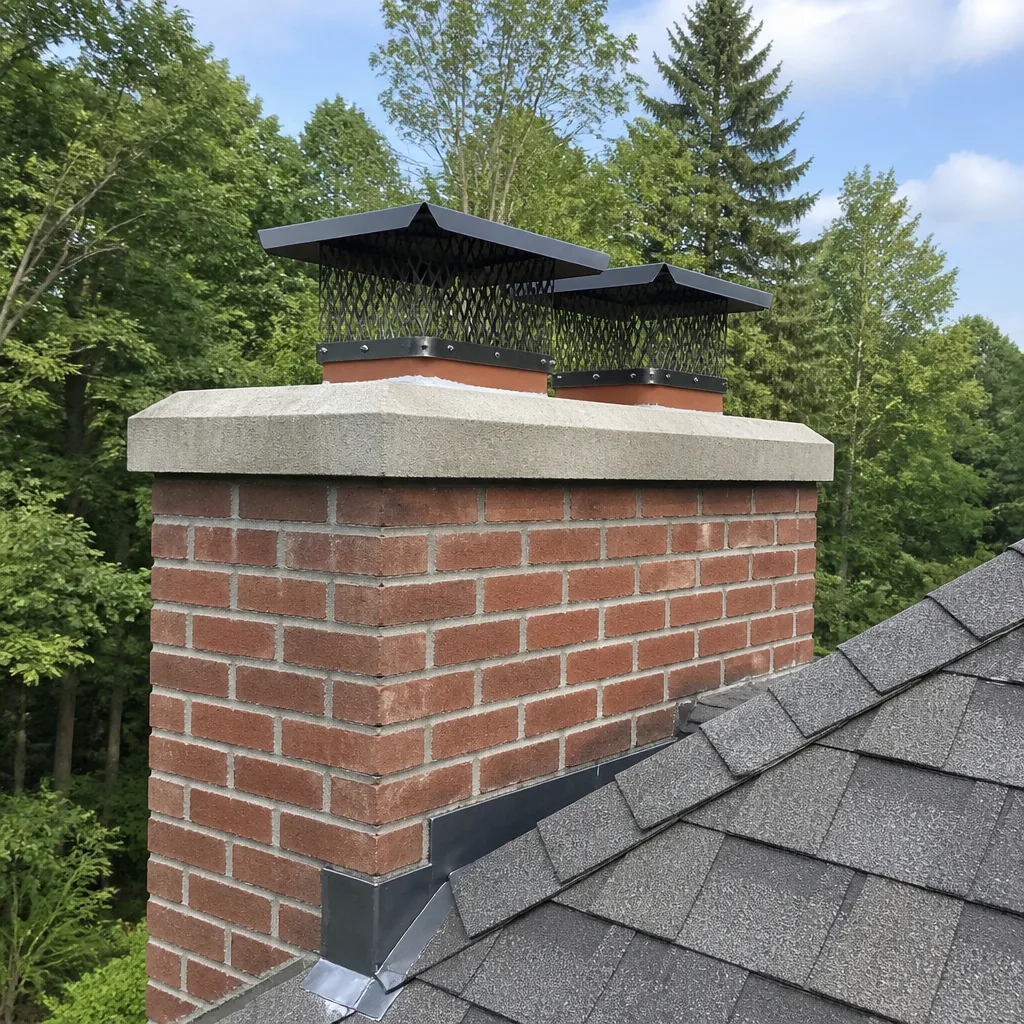
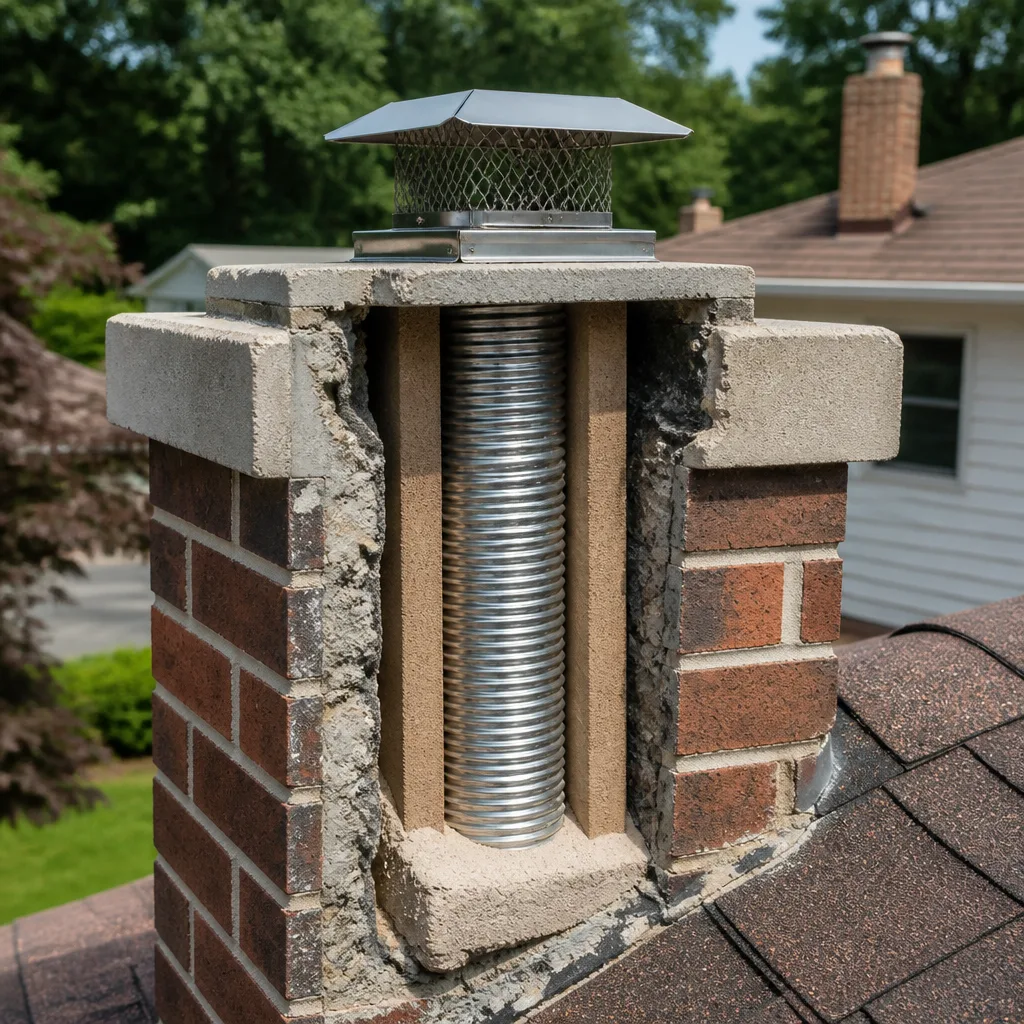
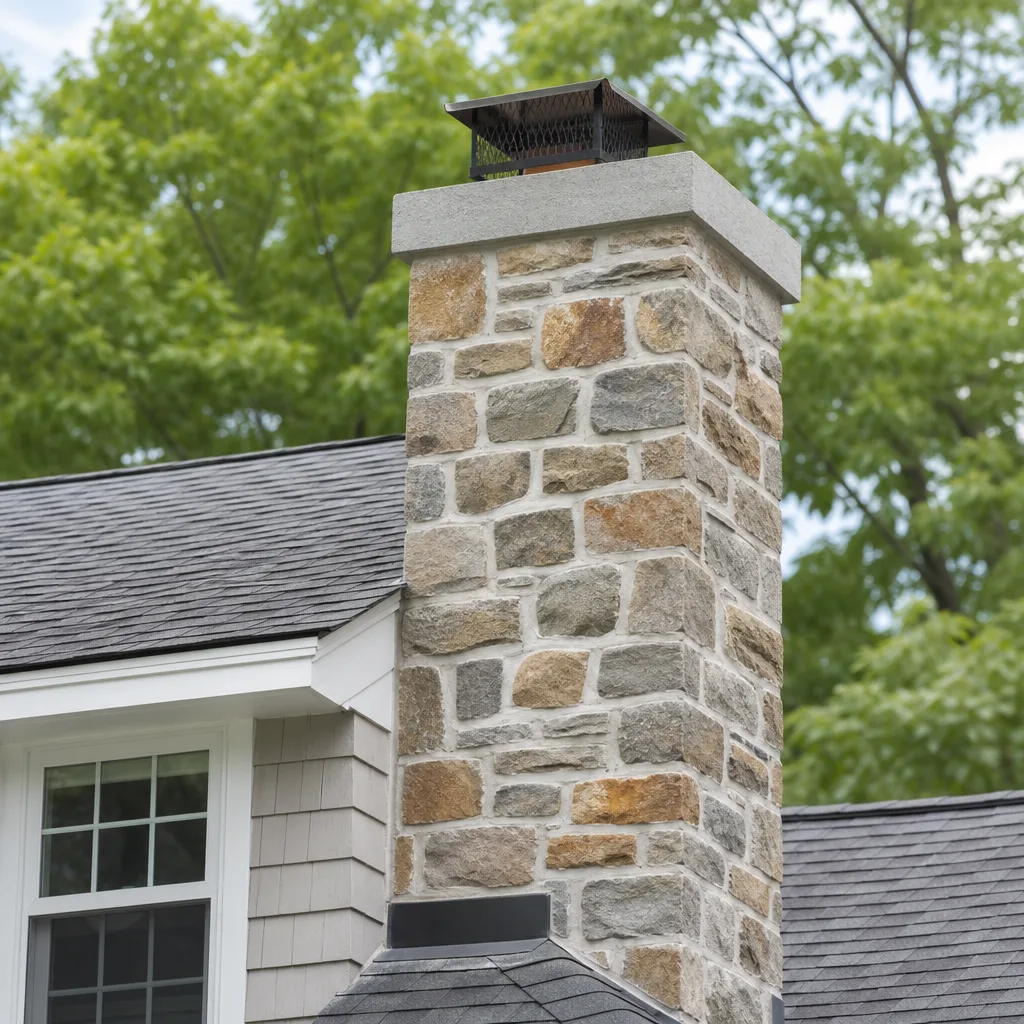
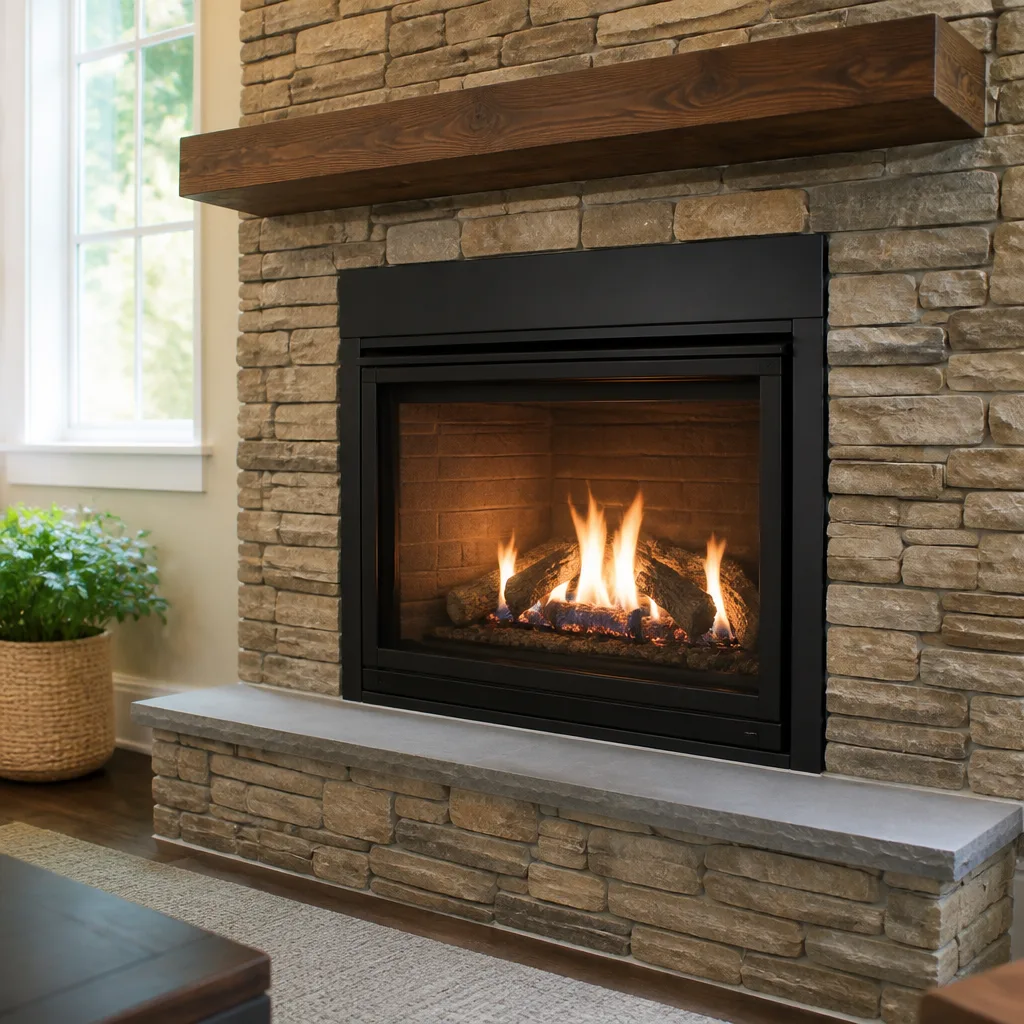
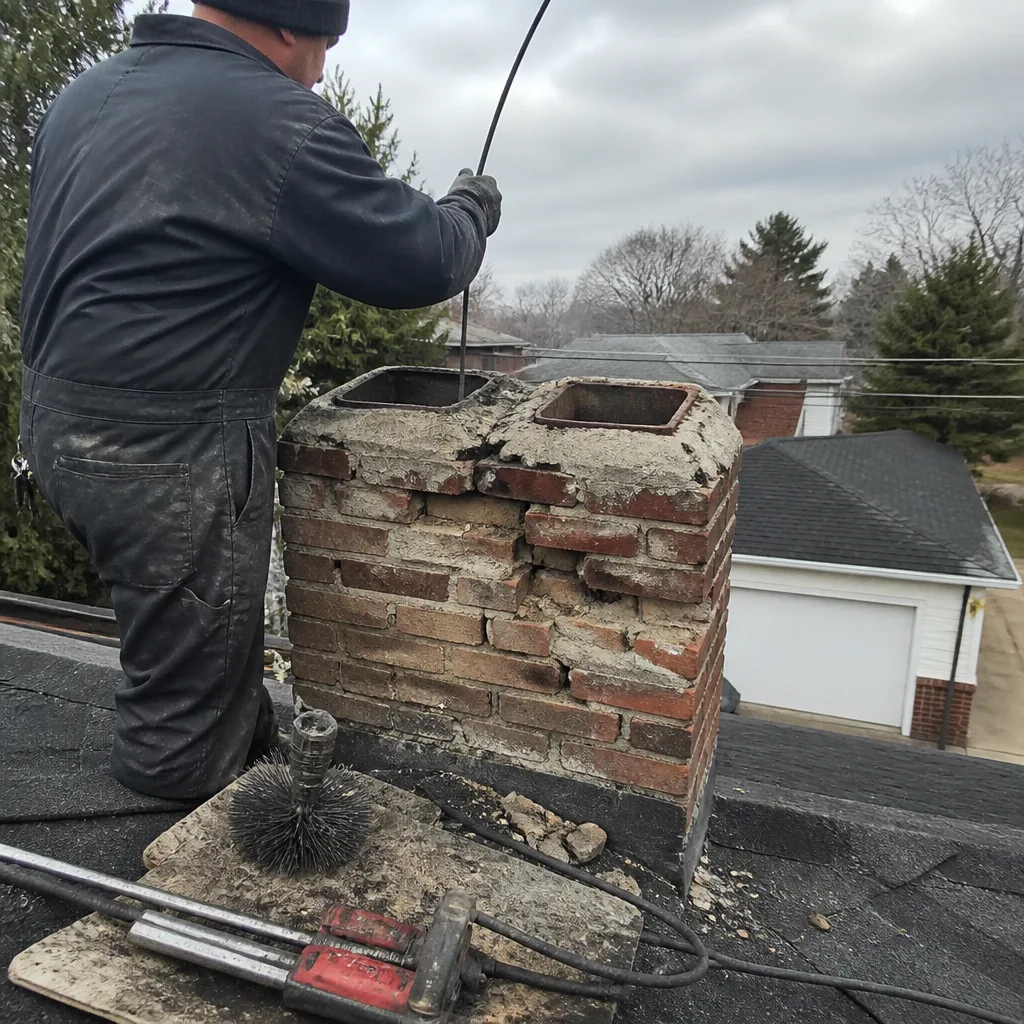 Before
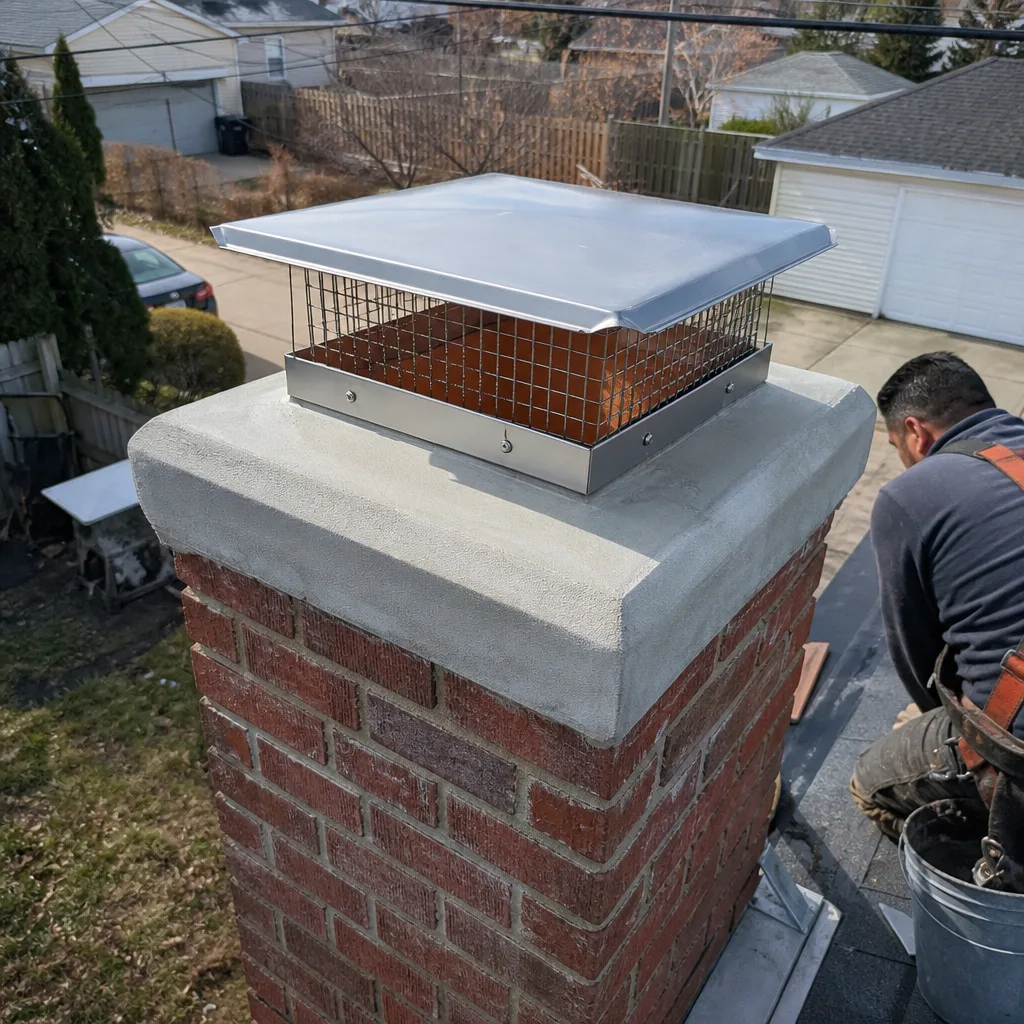 After
After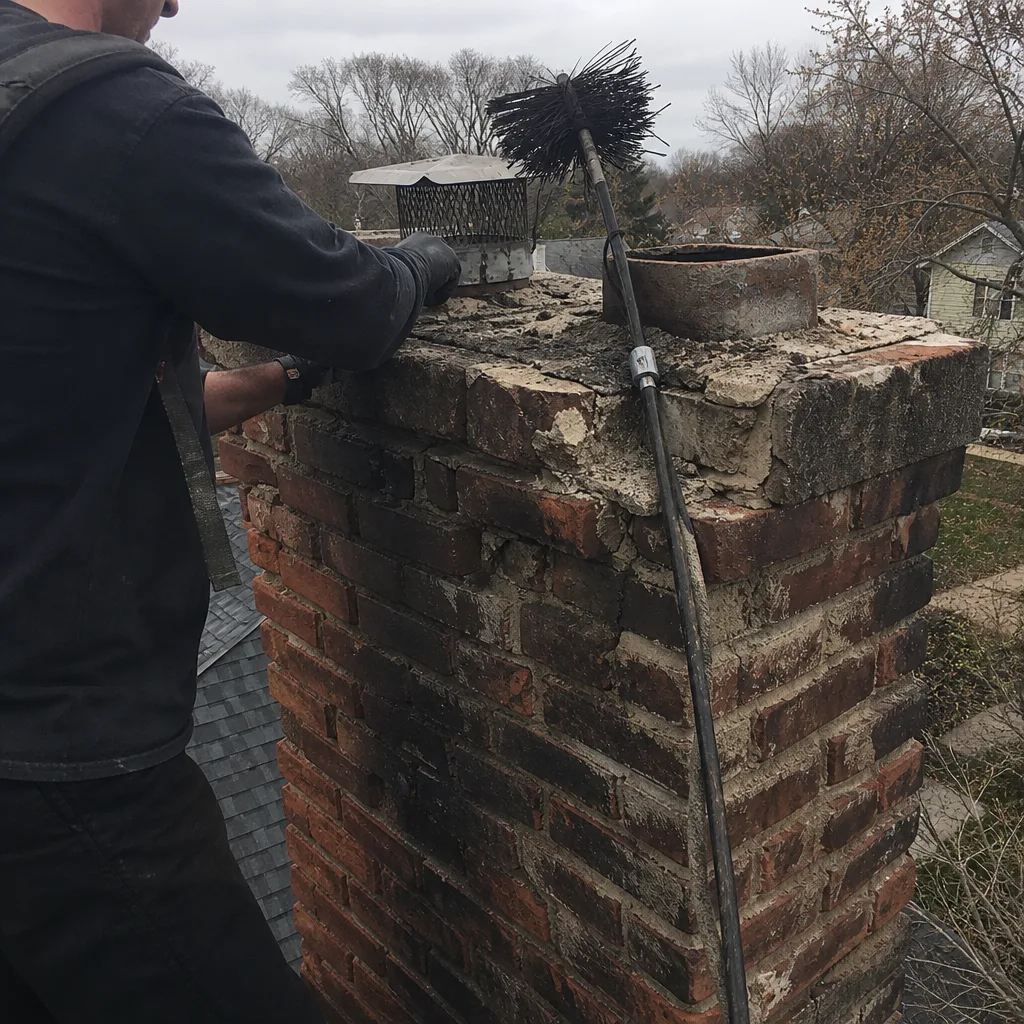 Before
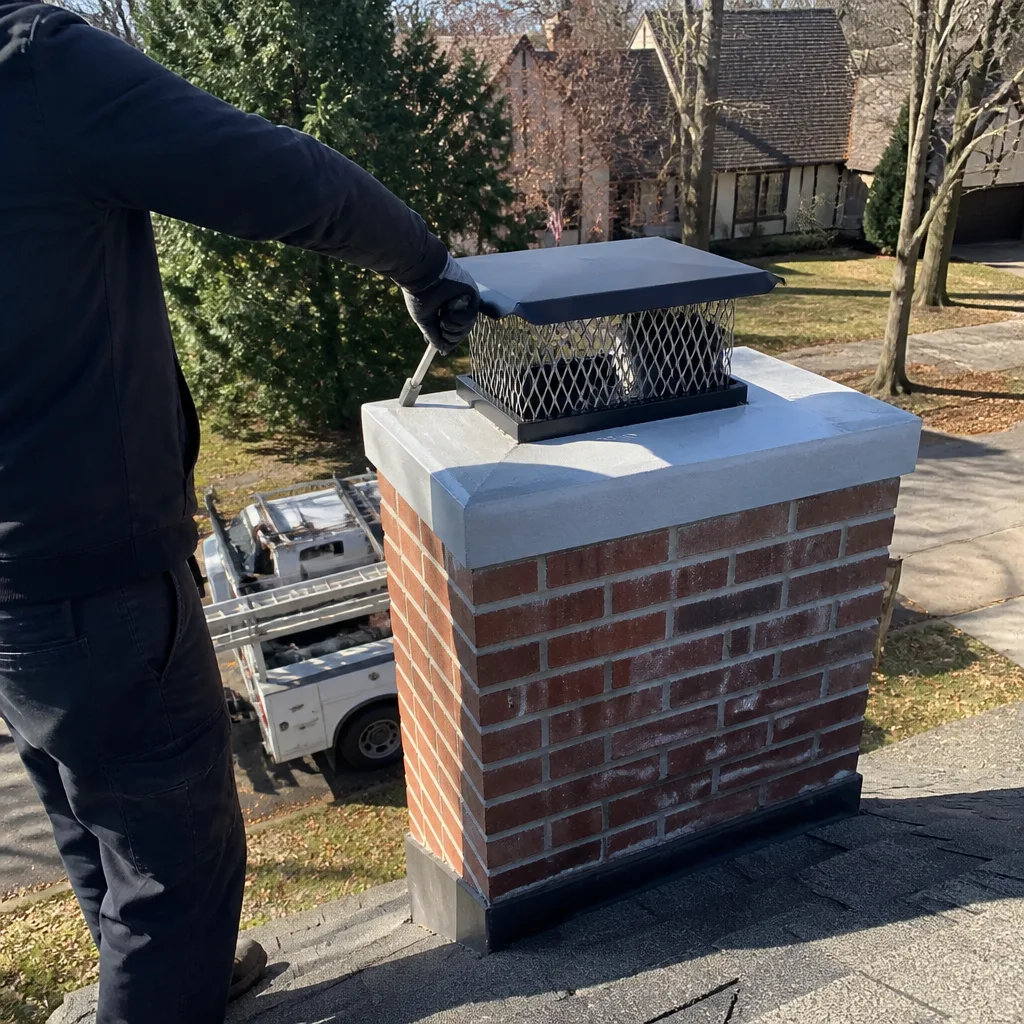 After
After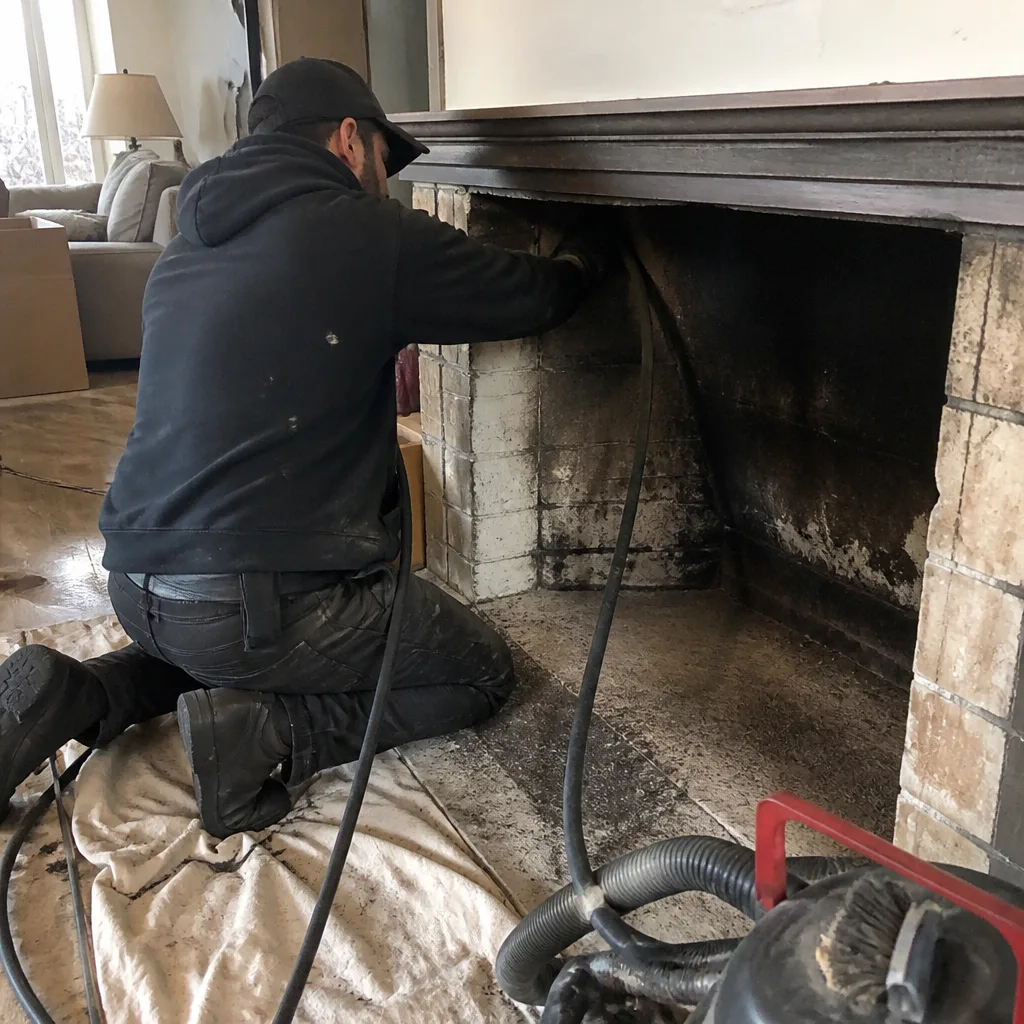 Before
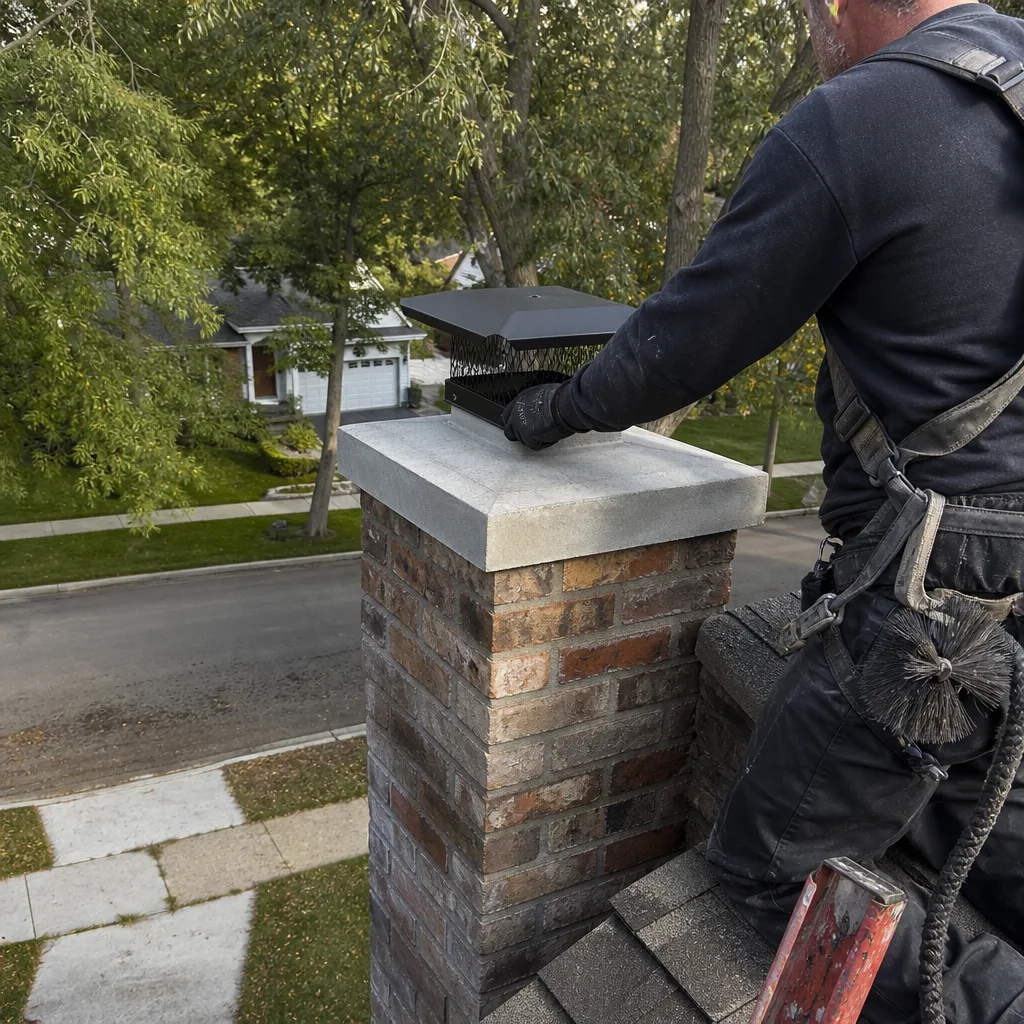 After
AfterHow to Hire a Chimney Cleaning Contractor in Elmhurst: A Step-by-Step Guide
CSIA certification is a training credential, not a work standard. A certified sweep can still hand you a verbal quote, do a flashlight inspection, and leave no record of what was found. The credential tells you someone passed a test; it tells you nothing about what paperwork you’ll hold when the truck pulls away. In Elmhurst, where freeze-thaw cycles punish masonry from November through March and oak-heavy neighborhoods like Wild Meadows and the area near Eldridge Park produce denser creosote buildup than prairie towns with less canopy, the difference between a documented inspection and a quick look can mean catching a cracked flue liner before it channels carbon monoxide into a bedroom, or missing it entirely. This guide gives you a three-document test to separate contractors who put their findings in writing from those who don’t.
Quick Answer
Hiring a chimney cleaning contractor in Elmhurst means finding someone who will give you a written price before work starts, perform a camera-scan inspection with photo documentation, and provide a written warranty on labor. Ask for these three documents upfront; a refusal or hesitation on any one is a signal to keep looking. Expect to pay $180-$340 for a documented Level 2 chimney inspection and cleaning in the Elmhurst market; see our Chimney Cleaning Cost Breakdown: The Elmhurst Homeowner’s Reference for 2026 for what drives that range, with repair work quoted separately in writing.
Table of Contents
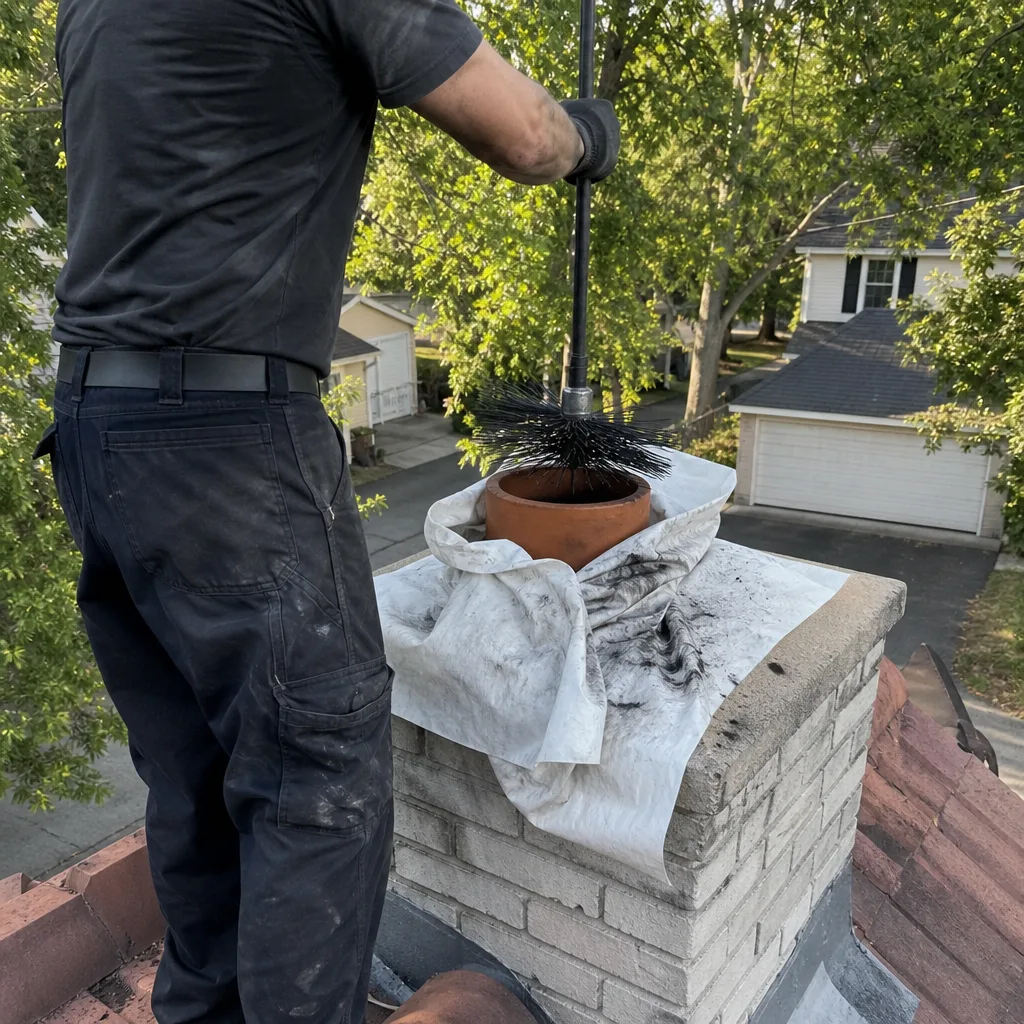
- Why Documentation Beats Certification
- The Three-Document Test
- Red Flags in the Elmhurst Market
- How to Verify a Real Level 2 Inspection
- Comparing Quotes: Apples to Apples
- Post-Hire Verification: Reading Your Report
- Elmhurst-Specific Considerations
- Common Mistakes to Avoid
- When to Call a Professional
- Frequently Asked Questions
- The Bottom Line
 Before
 After
AfterWhy Documentation Beats Certification
We get asked about CSIA certification at least twice a week in Elmhurst. It’s a reasonable question. The Chimney Safety Institute of America runs a respected training program, and passing their exam requires knowing NFPA 211 standards, combustion theory, and proper sweeping technique. But certification is a snapshot of what someone knew on test day. It doesn’t govern what they do on your property next Thursday.
We’ve been to homes in the Spring Road corridor where a CSIA-certified sweep from another company performed a “Level 2 inspection” that took twelve minutes, produced no photos, and concluded with a verbal recommendation for $4,200 in liner work. The homeowner called us for a second opinion. Our camera scan found a cracked clay liner in the smoke chamber, yes, but the damage was localized and repairable with a HeatShield application for under $900. The original contractor had the credential. What they didn’t have was a practice of documenting findings and sharing them in writing before quoting repairs.
The distinction matters because chimney work is largely invisible. You cannot see the inside of your flue liner without equipment. You cannot verify that creosote was fully removed without a post-sweep camera pass. You cannot hold a verbal warranty in your hand when something fails three months later. Documentation is what converts a promise into something you can act on.
Here’s what we mean by documentation:
- Written price - not an estimate range, not a “ballpark,” but a specific dollar amount for a specific scope, signed or emailed before work begins
- Photo or video record - time-stamped images or footage from inside the flue, the smoke chamber, the firebox, and the exterior crown, delivered in a format you can keep
- Written warranty - what is covered, for how long, and what triggers it, on company letterhead or in a signed agreement
These three documents are the foundation of the Haven Standard, which we’ve followed since 2009. Clause 1 requires the written price. Clause 4 requires the photo record. The 365-Day Done Right Promise functions as our written warranty, stamped on every job. Certification can be a useful filter, but in our experience across 38,000-plus inspections, the contractors who refuse to put findings in writing are the ones who have something to hide, credential or no credential.
The Three-Document Test
Use this test before you book any chimney contractor in Elmhurst. It takes five minutes on the phone and will eliminate most of the companies you should avoid.
Document 1: Written Price Before Work Starts
Ask: “Will you give me a written price for the inspection and cleaning before your technician starts any work, including if you find damage?”
A legitimate contractor says yes and explains how you’ll receive it - email, text, or printed copy on arrival. At Level Two Chimney Elmhurst, we deliver ours by email within minutes of scheduling, and the technician presents it again on a tablet before touching your fireplace. The price includes the NFPA 211 Level 2 inspection, the sweep, and the photo documentation. If we find damage requiring repair, we stop, show you the camera footage, and email a separate written quote before proceeding.
A contractor to avoid says: “We’ll see what we find,” or “The tech will go over pricing after the inspection,” or “It’s just $99 to get started.” The $99 entry price is a classic tactic. It gets a foot in the door. Everything after is verbal, pressure-heavy, and often inflated.
Document 2: Camera-Scan Report with Images
Ask: “What camera equipment do you use, and how will I receive the images or video from inside my flue?”
Specificity matters here. A contractor who actually performs camera scans can name the equipment - we use a Wohler VIS 400 system with a self-leveling camera head, for example - and can describe the deliverable: a PDF report with embedded images, a video file, a cloud link. If they say “we take pictures with our phone” or “the tech will tell you what he saw,” you are not getting a documented inspection. You’re getting a flashlight look with a narrative attached.
Clause 4 of the Haven Standard requires a photo record on every job. We’ve maintained this practice since 2009, before insurers in DuPage County began requesting documentation for claims. Our reports include images of the flue liner crown to crown, the smoke chamber, the damper assembly, the firebox floor, and the exterior crown and cap. Each image is time-stamped to the visit.
Document 3: Written Warranty on Labor
Ask: “What warranty do you provide on your work, and will I receive it in writing?”
The answer should be specific. “We guarantee our work” is not specific. “One-year warranty on labor and materials, with exclusions for chimney fires and homeowner misuse, delivered by email within 24 hours of job completion” is specific. Our 365-Day Done Right Promise covers labor and materials for a full year; if it’s not done right, we make it right, and the terms are printed on every invoice.
A contractor who warranties nothing in writing, or who says “we stand behind our work” without defining what that means, is asking you to trust a handshake for a service you cannot see and cannot verify.
Red Flags in the Elmhurst Market
Elmhurst’s housing stock creates specific opportunities for dishonest or sloppy contractors. The city has over 4,000 homes built between 1920 and 1960, many with unlined brick chimneys or original clay liners now past eighty years of thermal cycling. That age profile attracts operators who know that fear of fire and carbon monoxide is an easy sell.
Watch for these patterns:
- The “free inspection” that converts to a mandatory fee. A postcard or door hanger offers a complimentary chimney inspection. The technician arrives, spends ten minutes looking up the flue with a flashlight, then announces dangerous conditions and a $199 “diagnostic fee” before they’ll write anything down. In Elmhurst, we’ve seen this targeting neighborhoods near York High School and the historic district north of Park Avenue, where older homes are concentrated.
- Liner replacement recommended without camera footage. A cracked or deteriorated flue liner is a real hazard. But “your liner is unsafe” without images showing the damage, measured in location and severity, is a claim you cannot verify. We use DuraFlex stainless steel liners and HeatShield cerfractory sealant for appropriate repairs, but we show you the camera evidence first and quote in writing. A contractor who won’t do the same is selling on fear, not findings.
- Pressure to decide immediately. “I can do it today for this price, but I need to know now.” This is urgency theatre, and it’s designed to prevent you from getting a second opinion. Our Free Second Opinion on Any Written Estimate exists specifically because homeowners in Elmhurst deserve time to compare. Bring us a competitor’s written quote. We’ll review it against our own camera findings and tell you where the scopes differ.
- No local address or verifiable presence. Some companies dispatch technicians from fifty miles away with no fixed location in DuPage County. Ask where their office is. Ask if you can visit. Level Two Chimney Elmhurst is independently owned and operated here; our technicians live in the area and know the local codes, including Elmhurst’s specific requirements for chimney height clearance above peaked roofs in the R-1 and R-2 zoning districts.
- Vague or missing license information. Illinois does not require a state-level chimney sweep license, but reputable contractors carry municipal business licenses and general liability insurance. Our license number appears on every page of our site and on every technician’s ID badge. If a contractor won’t provide a license number or proof of insurance on request, that’s a refusal worth noting.
How to Verify a Real Level 2 Inspection
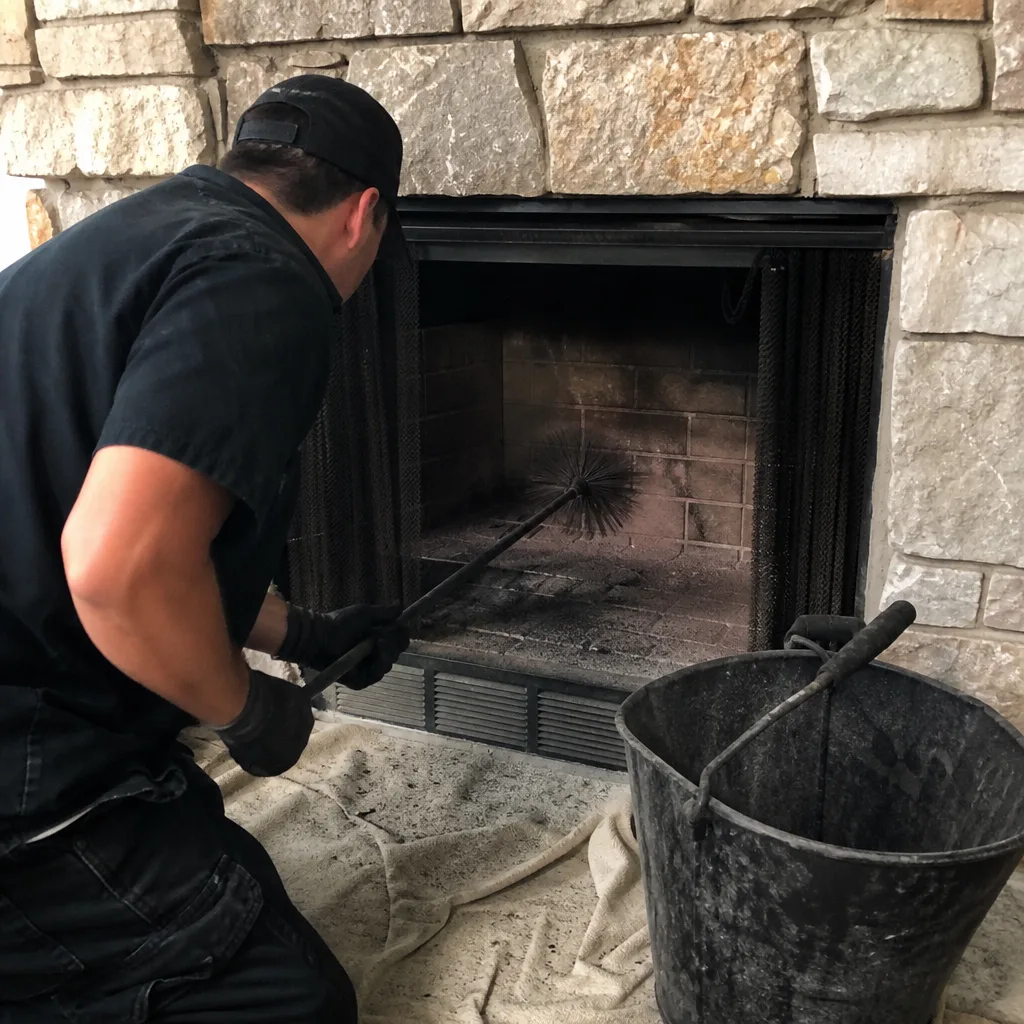
NFPA 211 defines three levels of chimney inspection. Level 1 is a visual examination of readily accessible portions - what you can see without tools. Level 2 requires a camera scan of the interior flue surfaces and inspection of accessible portions of the chimney exterior and attic. Level 3 involves demolition of building materials and is reserved for suspected hazards that cannot be evaluated otherwise.
Most Elmhurst homeowners need Level 2, especially if they’ve never had a documented inspection, are buying or selling a home, or have experienced a chimney fire or weather event. But the term “Level 2” is frequently misused. Here’s how to verify you’re getting what you pay for:
- Ask about equipment before booking. A true Level 2 requires a chimney inspection camera with a self-leveling or articulated head, capable of navigating flue bends and delivering clear images of liner surfaces. Ask: “What camera make and model do your technicians use?” If they cannot answer, or if they say “we don’t always use a camera,” you are not booking a Level 2 inspection.
- Ask about recording format and delivery. The camera footage or images should be recorded, not merely viewed on a screen in real time. Ask: “Will I receive a digital file or report I can keep?” At Level Two Chimney Elmhurst, every Level 2 inspection produces a PDF report with embedded images, stored in our archive and emailed to you within 24 hours. If a contractor says “the tech will show you on his tablet,” that footage may not exist thirty minutes after he leaves.
- Ask about the scope of the visual inspection. NFPA 211 Level 2 also requires examination of accessible portions of the chimney exterior, including the crown, cap, flashing, and visible masonry, plus accessible portions in attics, crawl spaces, or basements. Ask: “Will you inspect the chimney exterior and any accessible interior spaces?” A contractor who plans only to sweep the flue and run a camera is providing a modified Level 1, not a Level 2.
- Ask about the technician’s name and credentials. Our background-checked, uniformed technicians are assigned by name when you book, and you receive a text when they’re en route with an ETA and photo. You know who is coming to your home. If a company cannot tell you the technician’s name or qualifications in advance, you are accepting an unknown into your house.
- Verify after the fact. When the report arrives, check that it includes images from multiple flue sections, not just one or two. Check that exterior photos of the crown and cap are included. Check that any recommendations for repair reference specific locations and conditions visible in the images. A report that says “liner damaged, recommend replacement” without showing where and how is an opinion, not a documented finding.
In Elmhurst, we’ve performed Level 2 inspections on homes near Salt Creek where water intrusion from failed crown flashing had degraded the liner, and on homes in the Tuxedo Park area where original 1930s clay liners showed spalling (surface flaking from freeze-thaw damage) that a flashlight inspection would have missed entirely. The camera doesn’t just document; it reveals what the eye cannot see.
Comparing Quotes: Apples to Apples
The Elmhurst market has a wide price spread for chimney services, and price alone is a poor comparator. What matters is what is included in that price. Here’s how to evaluate:
| Service Component | Budget Quote ($99-$149) | Documented Quote ($180-$340) |
|---|---|---|
| Inspection type | Visual (Level 1) or unverified “Level 2” | NFPA 211 Level 2 with camera scan |
| Photo/video documentation | None, or phone photos only | Time-stamped camera images, PDF report |
| Written price before work | Verbal or post-inspection | Email confirmation at booking, tablet confirmation on arrival |
| Written warranty | None, or verbal only | 365-Day Done Right Promise in writing |
| Creosote removal standard | Basic brush sweep | Rotary sweep with HEPA vacuum, debris containment |
| Post-sweep verification | None | Camera pass to confirm clean flue surfaces |
A $99 cleaning with no camera documentation is a different product than a $249 cleaning with a written flue condition report. The lower price may be appropriate if you had a documented Level 2 inspection within the past year, your fireplace sees light use, and you simply need creosote removal. But for most Elmhurst homeowners, especially those in older homes or with unknown chimney histories, the undocumented option leaves you with no baseline and no protection if problems emerge.
When comparing quotes, ask each contractor to specify:
- Exactly what inspection level they will perform and what equipment they will use
- Exactly what documentation you will receive and in what format
- Whether the price includes the sweep, or if that is additional
- What happens if they find damage - do they stop and quote separately, or do they have authority to proceed?
- Whether the technician is a W-2 employee or subcontractor (affects accountability and insurance coverage)
Our Chimney Cleaning & Sweep in Elmhurst service includes the Level 2 inspection, rotary sweep, HEPA containment, and full documentation as standard. We do not offer a stripped-down version because an undocumented sweep provides no value to a homeowner who cannot verify what was or wasn’t found.
Post-Hire Verification: Reading Your Report
You’ve hired a contractor, the work is done, and a report arrives by email or mail. Now what? Many homeowners file it unread. That’s a mistake. The report is your protection against future disputes and your guide to maintenance timing.
Here’s how to read it:
- Check for completeness. A proper Level 2 report should include images from: the flue liner (multiple sections, showing crown to smoke chamber), the smoke chamber (the area above the damper), the firebox floor and walls, the damper assembly, the exterior crown, the cap, and visible flashing. If any section is missing, ask why. In some Elmhurst homes with exterior chimneys on gable ends, the upper flue sections are harder to access, but a professional camera system should reach them.
- Understand the condition ratings. Look for specific descriptions, not vague labels. “Clay liner shows minor spalling at 12-14 feet, no exposed brick, monitor annually” is useful. “Liner in fair condition” is not. Ask for clarification on any term you don’t understand. We define our terminology in every report, but not all contractors do.
- Verify the absence of findings. This is critical. A report that says nothing about the crown, or nothing about the smoke chamber, may mean those areas weren’t inspected, not that they’re fine. A thorough report explicitly states “crown intact, no visible cracking” or “smoke chamber parged, surface sound.” Absence of comment is not absence of defect.
- Compare to your prior report if you have one. Deterioration is a process, not an event. If your 2022 report showed minor crown cracking and your 2024 report shows the same cracking with no progression, that’s useful information. If the cracking has extended or new spalling has appeared, repair timing becomes clearer.
- Request a follow-up scan if repairs were made. Any liner repair, crown rebuild, or chimney cap installation should be documented with post-repair images showing the completed work. This is standard practice under Haven Standard Clause 4. If a contractor completes $2,000 in repairs and provides no images of the finished condition, you have no verification that the work was performed as specified.
We’ve had Elmhurst homeowners call us years after an inspection with questions about their report. Because we archive every image since 2009, we can pull their file and walk them through it by phone. A contractor who doesn’t maintain records cannot offer this, and it suggests their “documentation” was never intended for your long-term use.
Elmhurst-Specific Considerations
Chimney performance and maintenance needs vary by climate, fuel type, and local building stock. Elmhurst presents a specific profile:
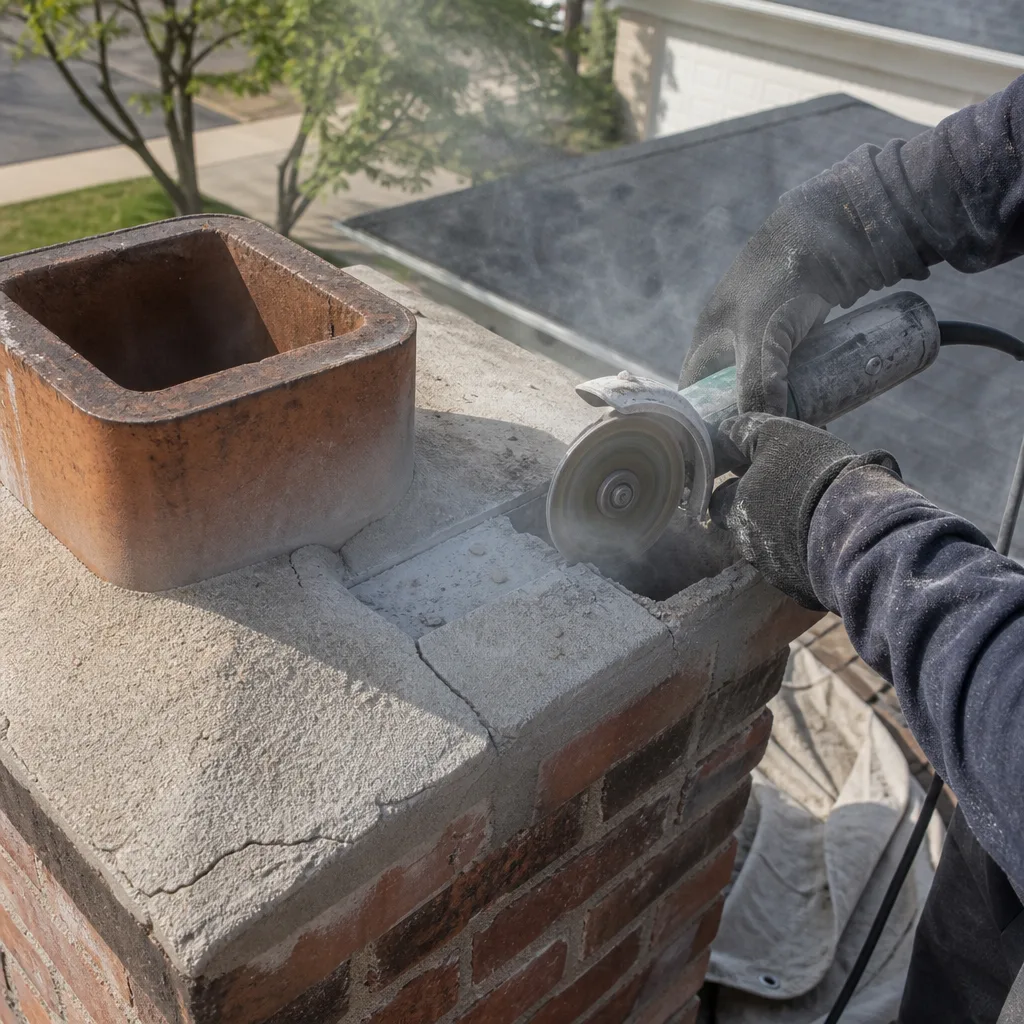
Freeze-thaw masonry damage. Elmhurst averages 36 inches of snow annually, with temperature swings above and below freezing common from November through March. Water penetrates crown cracks and mortar joints, freezes, expands, and spalls brick faces. We’ve replaced crowns on homes near Wilder Park where the original concrete crown had deteriorated to gravel after twenty winters. Annual inspection catches this before brick replacement is required.
Oak-dominant creosote. Elmhurst’s mature tree canopy, especially in neighborhoods like East End and the area around Berens Park, is heavy with oak. Oak firewood, when burned improperly (insufficient air, wet wood), produces Class III creosote - a hard, tar-like deposit that basic brushing won’t remove. It requires rotary mechanical cleaning. A contractor who doesn’t ask what wood you burn, or who sweeps with a standard brush regardless, is not performing a complete service.
Historic district considerations. Homes in the Elmhurst Historic District and nearby conservation areas may have original decorative chimney pots, ornate brickwork, or terra cotta liners that modern contractors are unaccustomed to handling. Repair materials and techniques must respect these features. We source period-appropriate materials through our Haven buying network, including custom caps from Famco and Copperfield when standard sizes won’t preserve the original profile.
Local code and clearance requirements. Elmhurst enforces the International Residential Code with local amendments, including specific requirements for chimney height above roof peaks and adjacent structures; our Chimney Cleaning Permits, Codes & Inspections in IL: What You Need to Know covers the details homeowners should verify. A contractor unfamiliar with Elmhurst’s zoning enforcement, or who operates primarily in collar counties with different practices, may install a cap or crown that doesn’t comply. Our technicians carry the municipal reference sheet on every truck.
Gas fireplace conversions. Many Elmhurst homeowners have converted wood-burning fireplaces to gas inserts. These require different inspection protocols - venting configuration, gas line integrity, combustion air supply - and a contractor trained only in wood-burning systems may miss critical safety checks. Our Fireplace Services in Elmhurst include gas-specific Level 2 inspections with combustion analysis where appropriate.
Common Mistakes to Avoid
- Hiring based on the lowest price without comparing scope. A $99 sweep with no documentation is not comparable to a $250 sweep with a Level 2 inspection and written report. The cheaper option often costs more when undetected damage leads to emergency repairs.
- Assuming a home inspection covers the chimney. Most Elmhurst home inspections include only a Level 1 visual examination of the chimney exterior. The flue liner, smoke chamber, and internal firebox are rarely inspected with a camera. Schedule a Level 2 inspection before closing or within the first year of ownership.
- Accepting verbal recommendations for major repairs. Liner replacement, crown rebuilds, and masonry repointing are significant investments. Never proceed without a written quote, camera evidence of the damage, and time to obtain a second opinion. Our Free Second Opinion service exists because we’ve seen too many homeowners pressured into unnecessary work.
- Neglecting the chimney between sweeps. Even with annual professional cleaning, monitor your fireplace performance. Smoke backing up into the room, a persistent odor, or visible creosote flakes in the firebox are warning signs. Don’t wait for your scheduled sweep if symptoms appear.
- Using unseasoned or inappropriate firewood. In Elmhurst’s oak-heavy environment, it’s tempting to burn fallen branches. Green oak produces massive creosote deposits. Season hardwood for twelve months minimum, or purchase kiln-dried firewood from a verified source.
- Ignoring the exterior. Crown cracks and deteriorated mortar are visible from the ground with binoculars. A quick monthly look from your driveway can catch developing problems before water enters the system. If you see white efflorescence (salt deposits) on brick faces, water is already moving through the masonry.
- Failing to verify insurance. Chimney work involves roof access, combustion systems, and sometimes structural modification. Confirm that your contractor carries general liability and workers’ compensation insurance. We provide proof on request without hesitation; a contractor who resists this verification is one to avoid.
When to Call a Professional
Call a chimney professional immediately if you notice smoke entering your living space, a strong tar or creosote odor, visible cracks in the firebox or exterior masonry, or white or brown staining on interior walls near the chimney. These symptoms indicate active hazards that inspection and possible repair should address before the next use.
Schedule a preventive Level 2 inspection if you’ve never had a documented camera inspection, if you’ve purchased your Elmhurst home within the past two years, if your last sweep was more than twelve months ago, or if you’ve changed your heating appliance or fuel type. Annual inspection is the NFPA 211 standard for regularly used fireplaces; every two years may suffice for gas inserts with light use.
Level Two Chimney Elmhurst offers free estimates in Elmhurst. Call (708) 498-3199 to schedule, or request your appointment through our live phone support available 24 hours a day, 7 days a week. Every estimate includes a written price, and every completed job includes the documented photo record required by Clause 4 of the Haven Standard.
Frequently Asked Questions
A documented NFPA 211 Level 2 chimney inspection and cleaning in Elmhurst typically costs between $180 and $340, depending on flue accessibility, creosote buildup severity, and whether the home has one or multiple flues. This price includes the camera scan, rotary sweep, HEPA debris containment, and written photo report. Repairs, if needed, are quoted separately in writing before any additional work begins. Call (708) 498-3199 for an exact quote - estimates are free.
You need a new flue liner only if the existing liner is cracked, deteriorated, or improperly sized for your appliance, and only if that damage is documented with camera evidence you can see. In Elmhurst’s older housing stock, we’ve found that many “liner replacement” recommendations are actually localized damage repairable with HeatShield cerfractory sealant or a stainless steel liner insert for a fraction of full replacement cost. Always request the camera footage and a second opinion on major liner work. We provide Free Second Opinions on any written estimate.
The National Fire Protection Association recommends annual inspection for all chimneys, fireplaces, and vents, with cleaning as needed based on creosote accumulation. In Elmhurst, where oak firewood is common and freeze-thaw cycles stress masonry, most wood-burning fireplaces need Seasonal Chimney Cleaning Care for Elmhurst: Year-Round Homeowner’s Guide style annual sweeping. Gas fireplaces should be inspected every one to two years for venting integrity and combustion performance. Heavy use, unseasoned wood, or previous chimney fires may require more frequent service.
Skipped maintenance leads to creosote accumulation, which increases chimney fire risk; masonry deterioration from water intrusion, which can cause structural failure or interior water damage; and cracked or blocked flue liners, which can channel carbon monoxide into living spaces. In Elmhurst, we’ve responded to emergency calls in January where deferred maintenance resulted in blocked flues from collapsed liner sections or animal nesting. These situations are preventable with scheduled inspection. Call (708) 498-3199 to book before burning season.
Verify by requesting the specific camera equipment used, the recording format and delivery method, and the scope of visual inspection beyond the flue interior. A true Level 2 includes exterior, attic, and basement access where reachable, and produces a documented record with time-stamped images. At Level Two Chimney Elmhurst, we use a Wohler VIS 400 camera system and deliver PDF reports within 24 hours. If a contractor cannot describe their equipment or deliver documentation, the inspection likely did not meet NFPA 211 Level 2 standards.
A chimney sweep is the physical removal of creosote, debris, and obstructions from the flue and firebox. A chimney inspection is the evaluation of the system’s condition, including structural integrity, liner status, and clearance compliance. They are often performed together, but they are distinct services. A sweep without inspection cleans the chimney but may miss critical safety issues. An inspection without a sweep evaluates a dirty system, which can obscure findings. Our Chimney Repair in Elmhurst service addresses conditions found during either process.
The Bottom Line
Hiring a chimney contractor in Elmhurst comes down to documentation, not credentials alone. The three-document test - written price before work, camera-scan report with images, written warranty on labor - separates contractors who stand behind their work from those who disappear after the invoice is paid. Ask specific questions about equipment, deliverables, and scope. Compare quotes on what they include, not just the bottom line. Read your completed report and keep it for future reference. And never accept pressure to commit to major repairs without time to verify and compare. The chimney industry has no shortage of trained technicians; what it needs more of is technicians willing to show you exactly what they found and exactly what it costs, in writing, before they ask for your trust or your money. For additional guidance, explore our more guides & resources.
Written by Corrine Halstead, Owner at Level Two Chimney Elmhurst, serving Elmhurst since 2009.