
Level 1 sweep and inspection to the NFPA 211 annual standard - flue, crown, cap, and flashing checked and photographed
Chimney sweep logs do not sweep chimneys. They loosen some creosote - which then falls where a brush and vacuum still have to collect it.
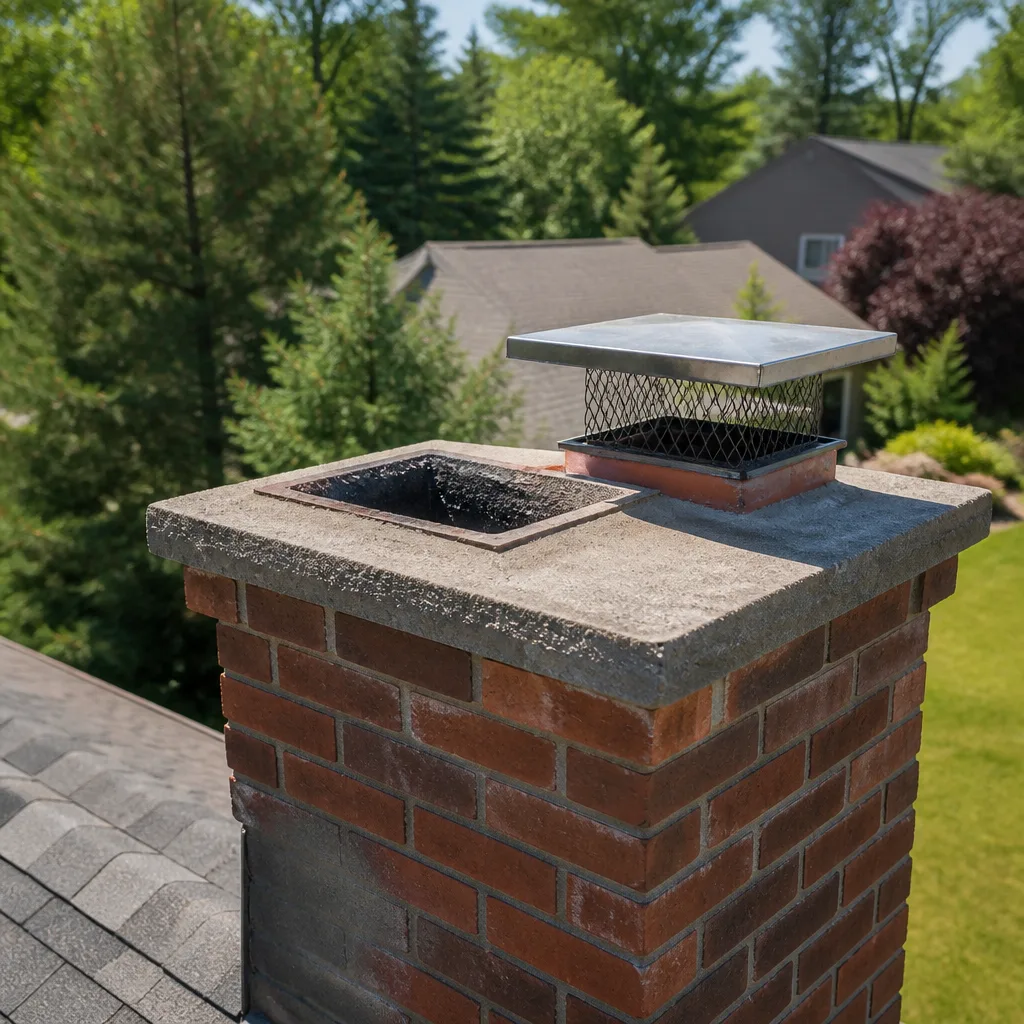
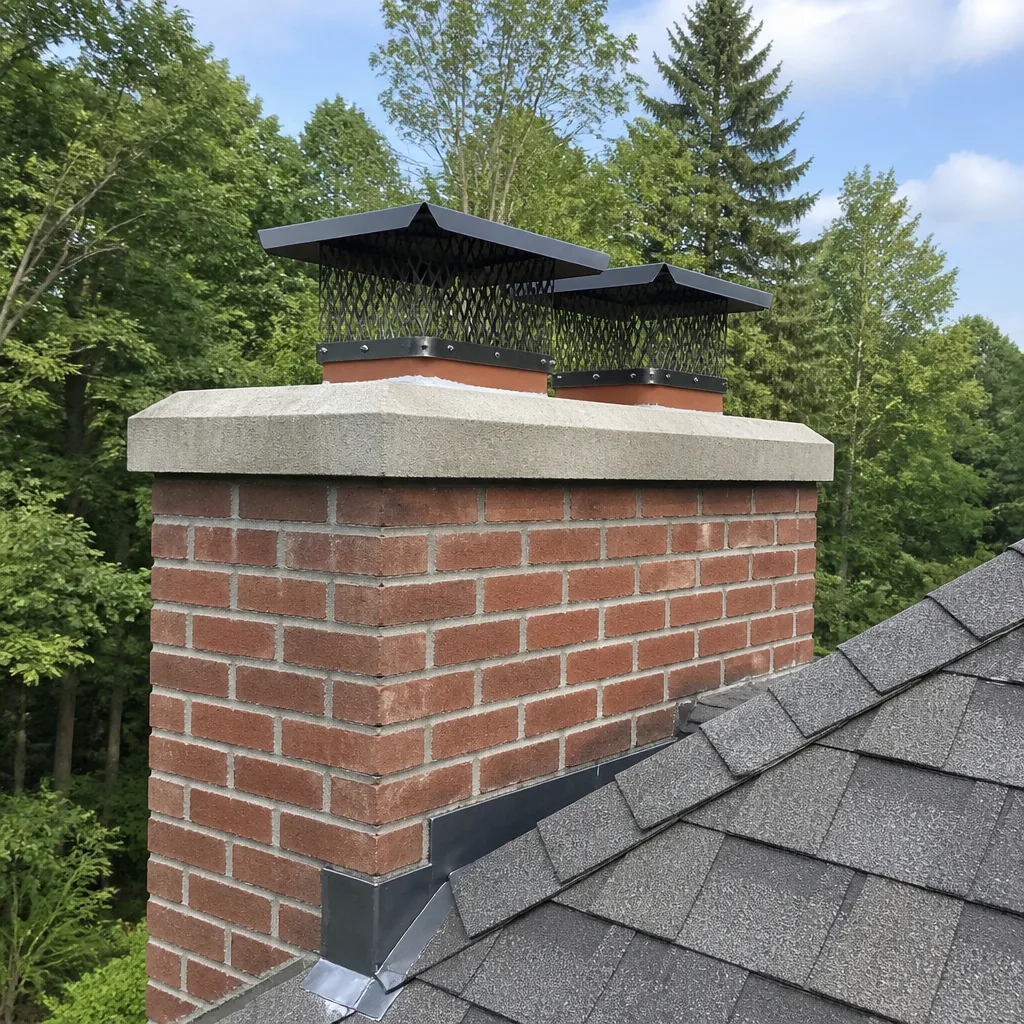
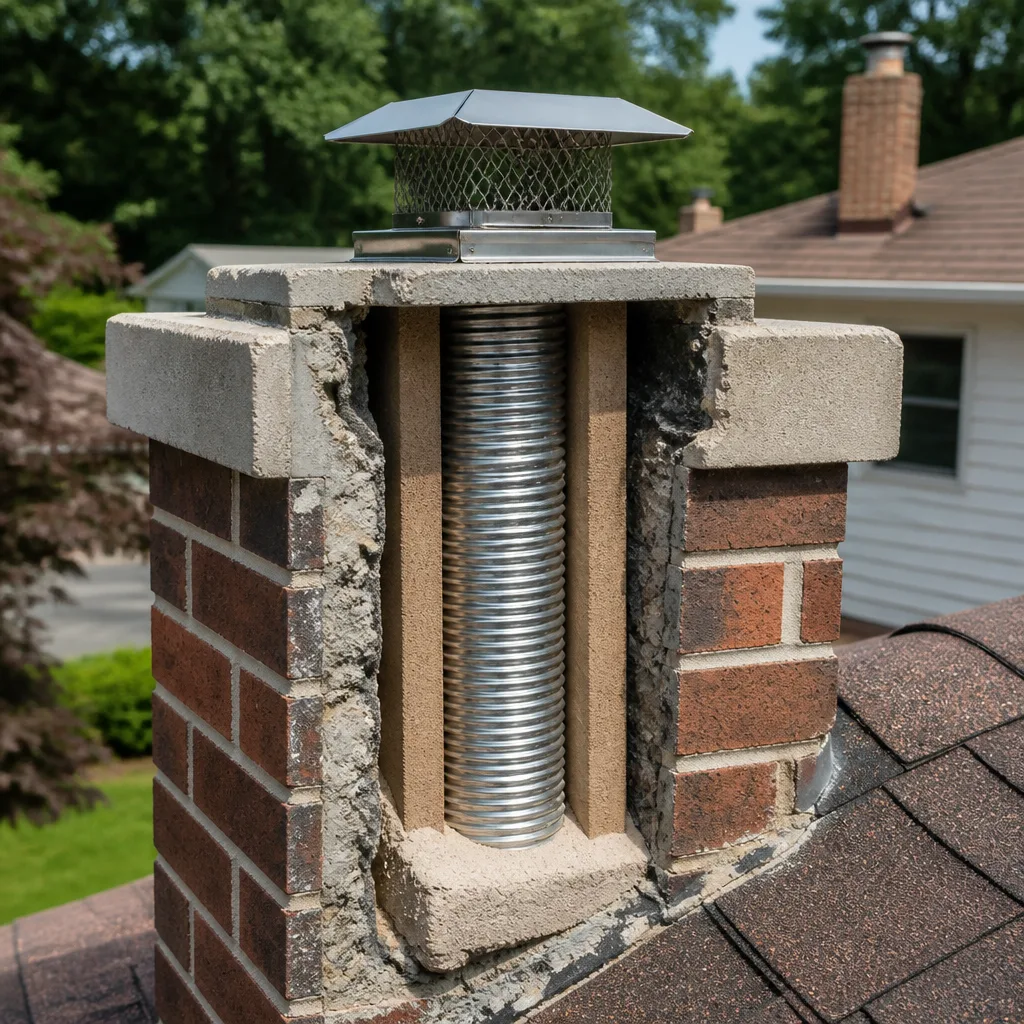
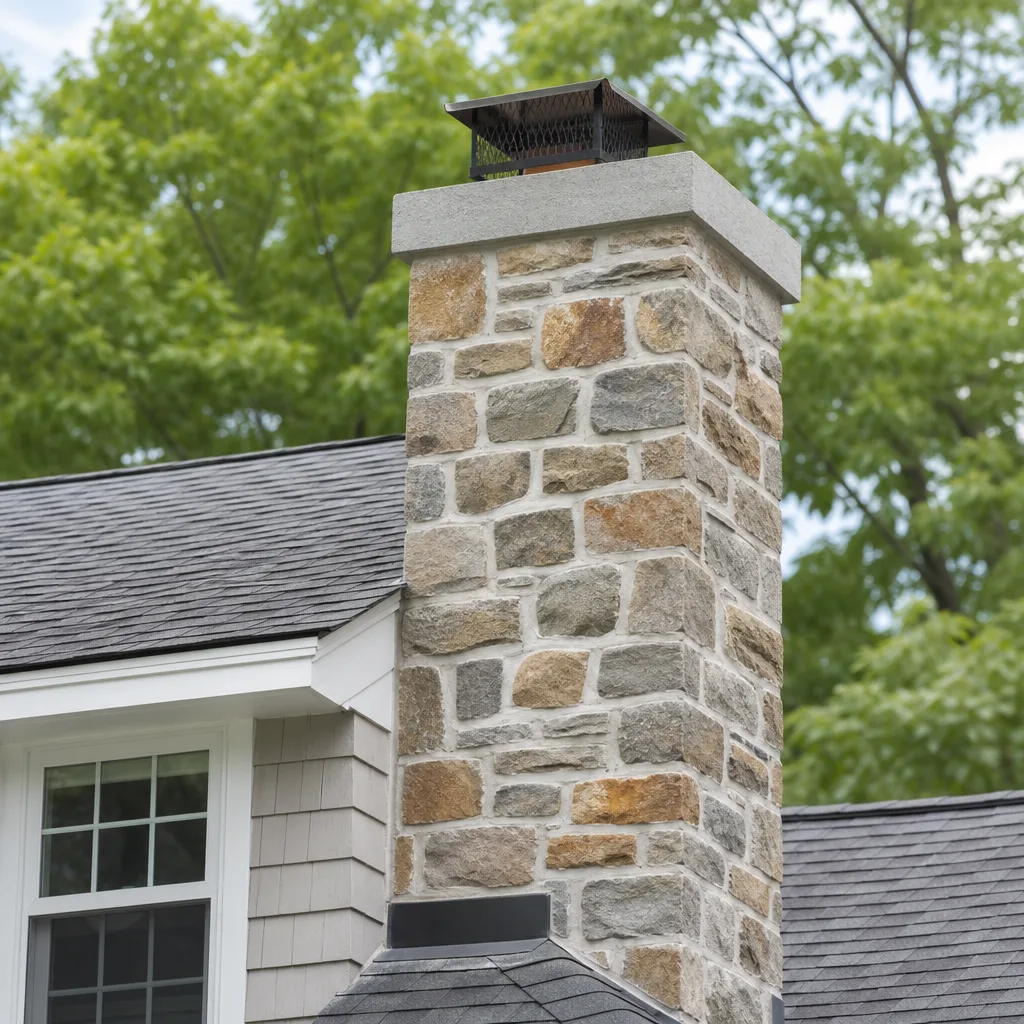
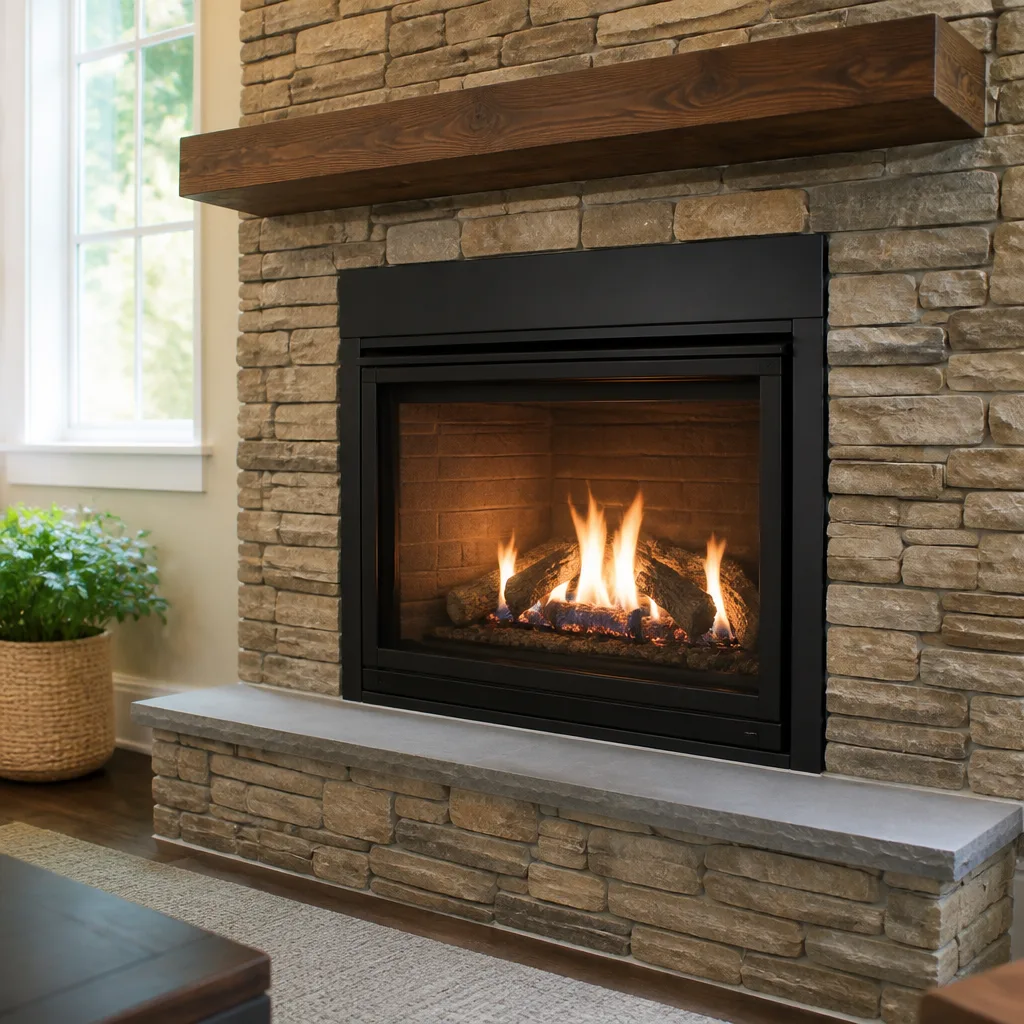
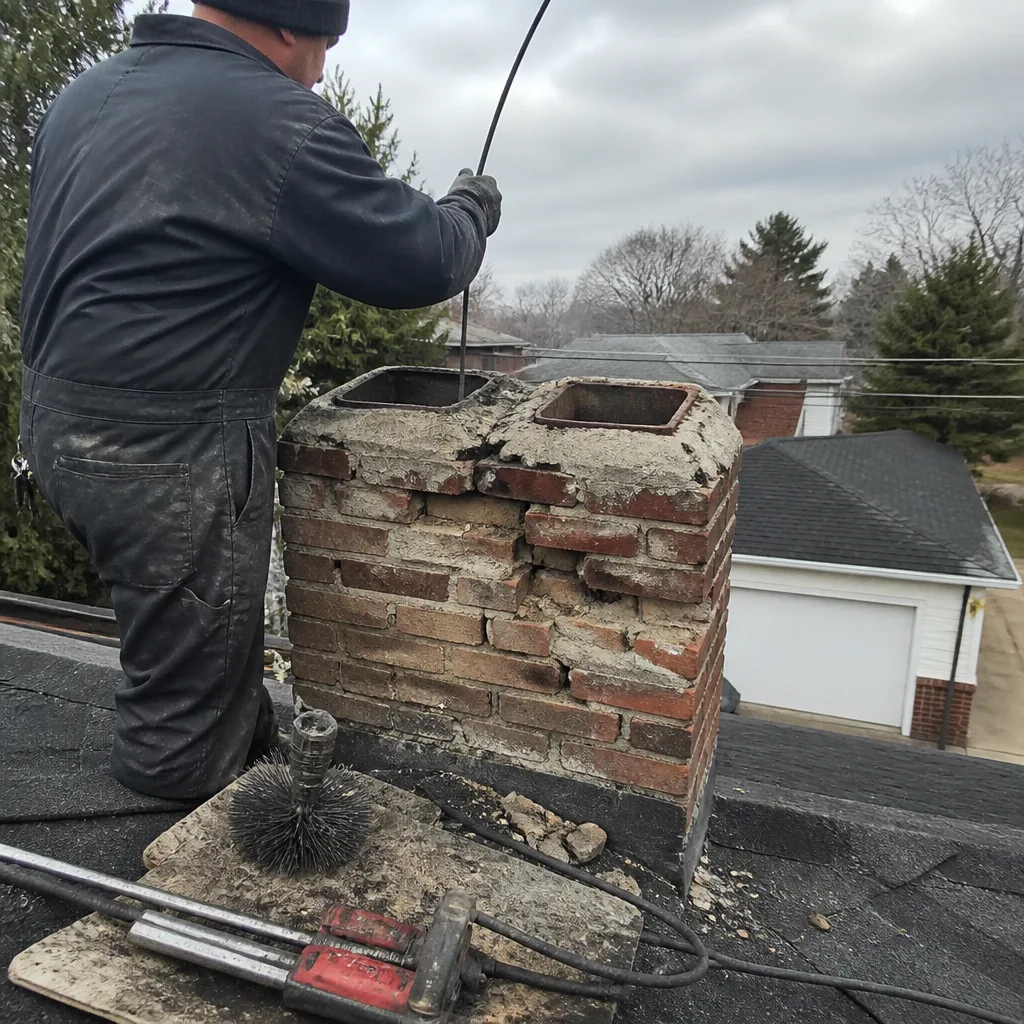 Before
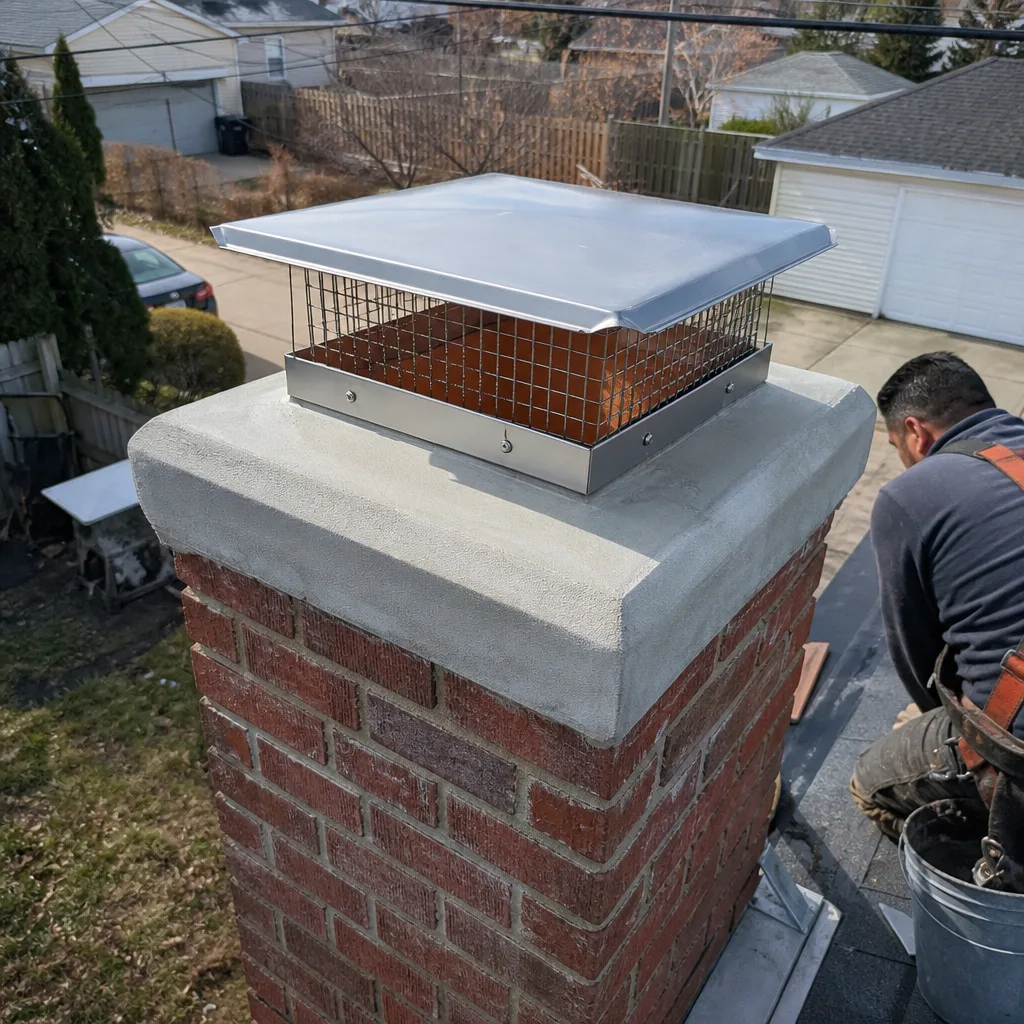 After
After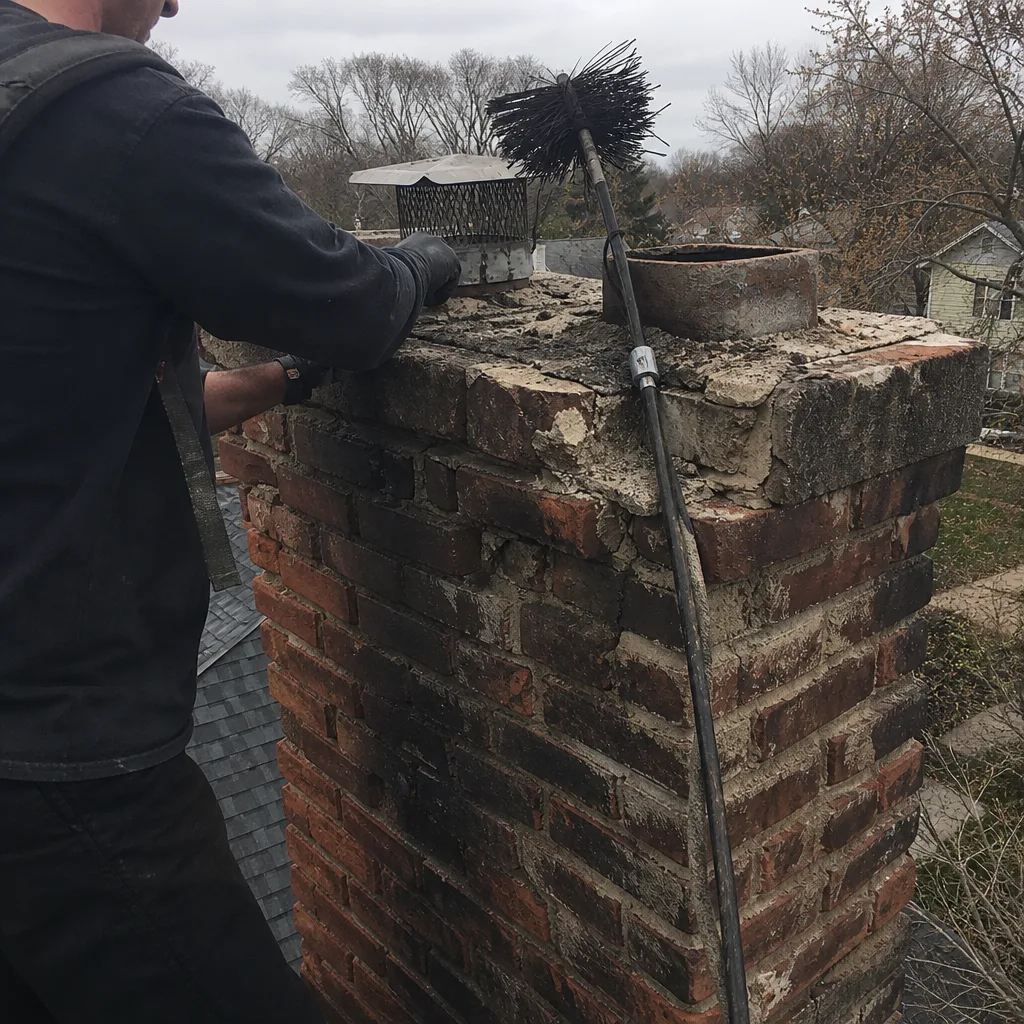 Before
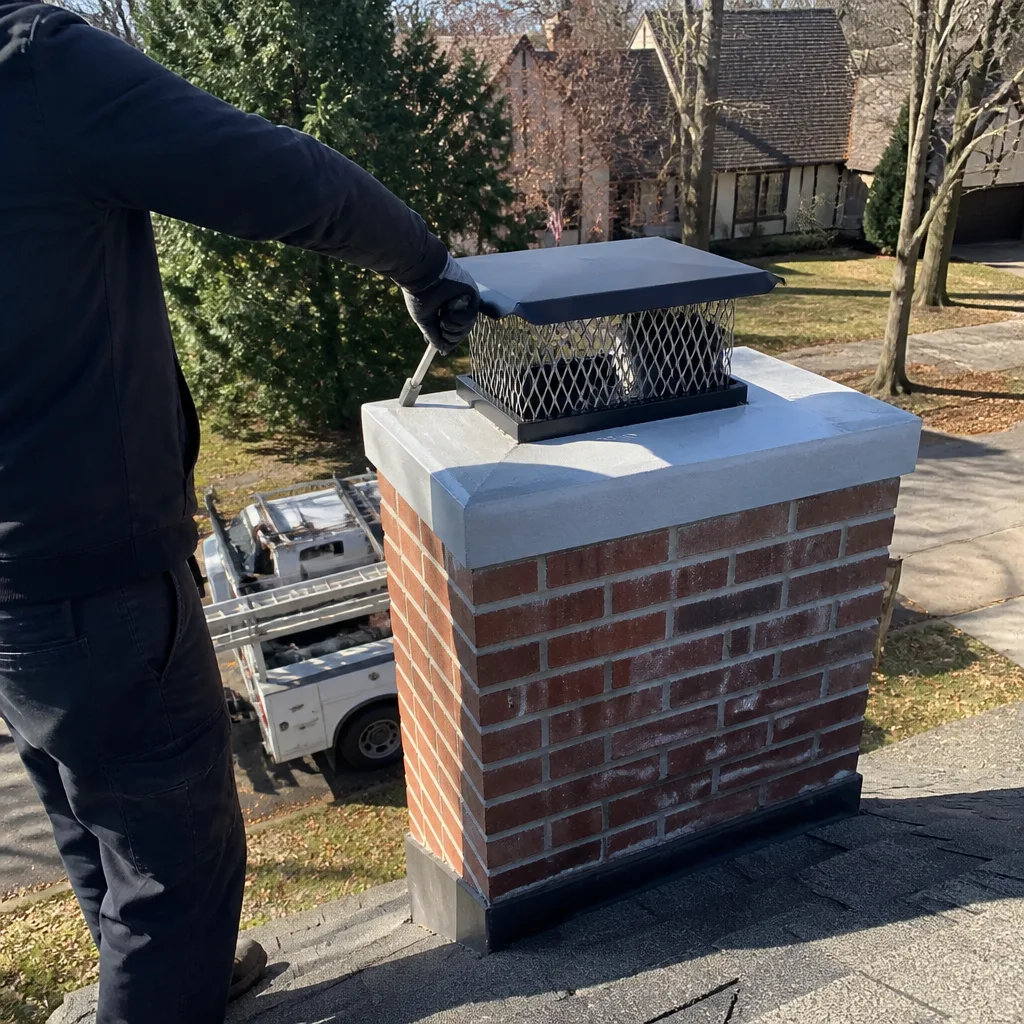 After
After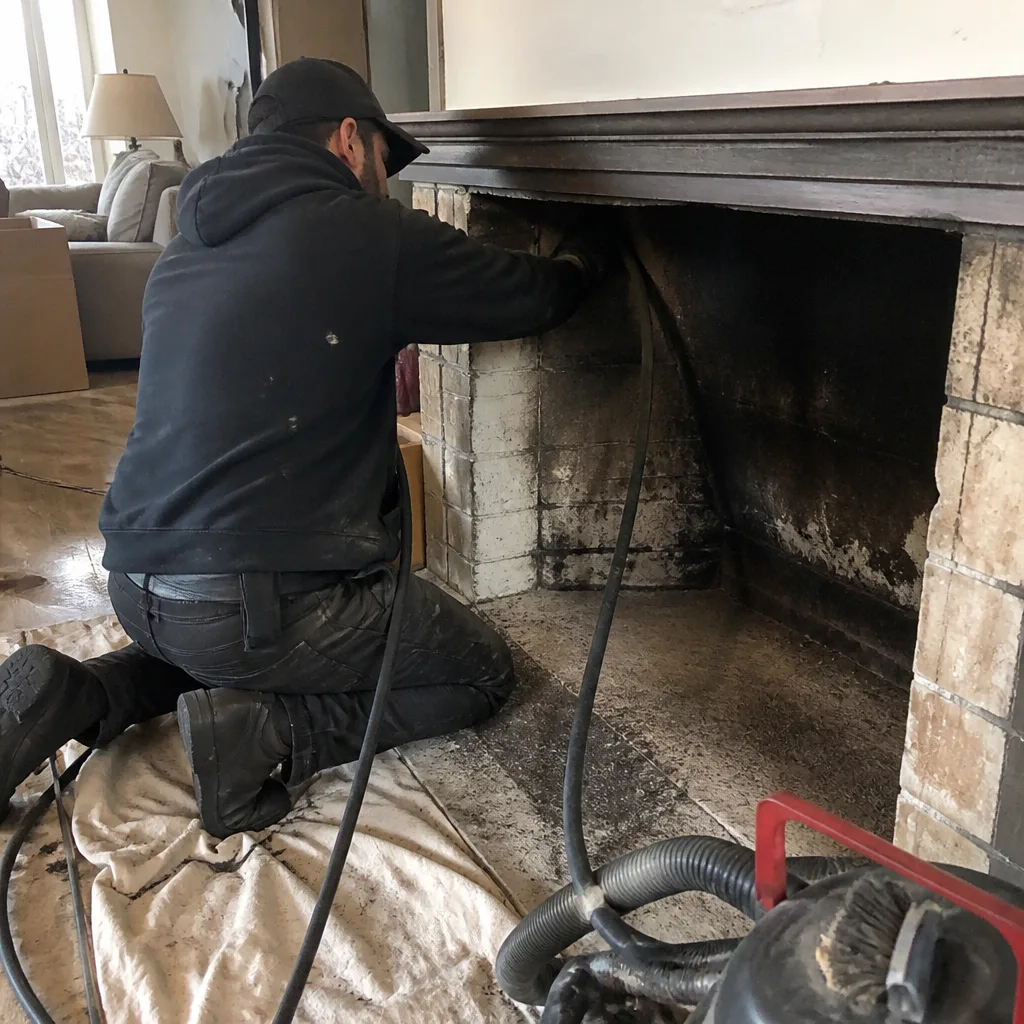 Before
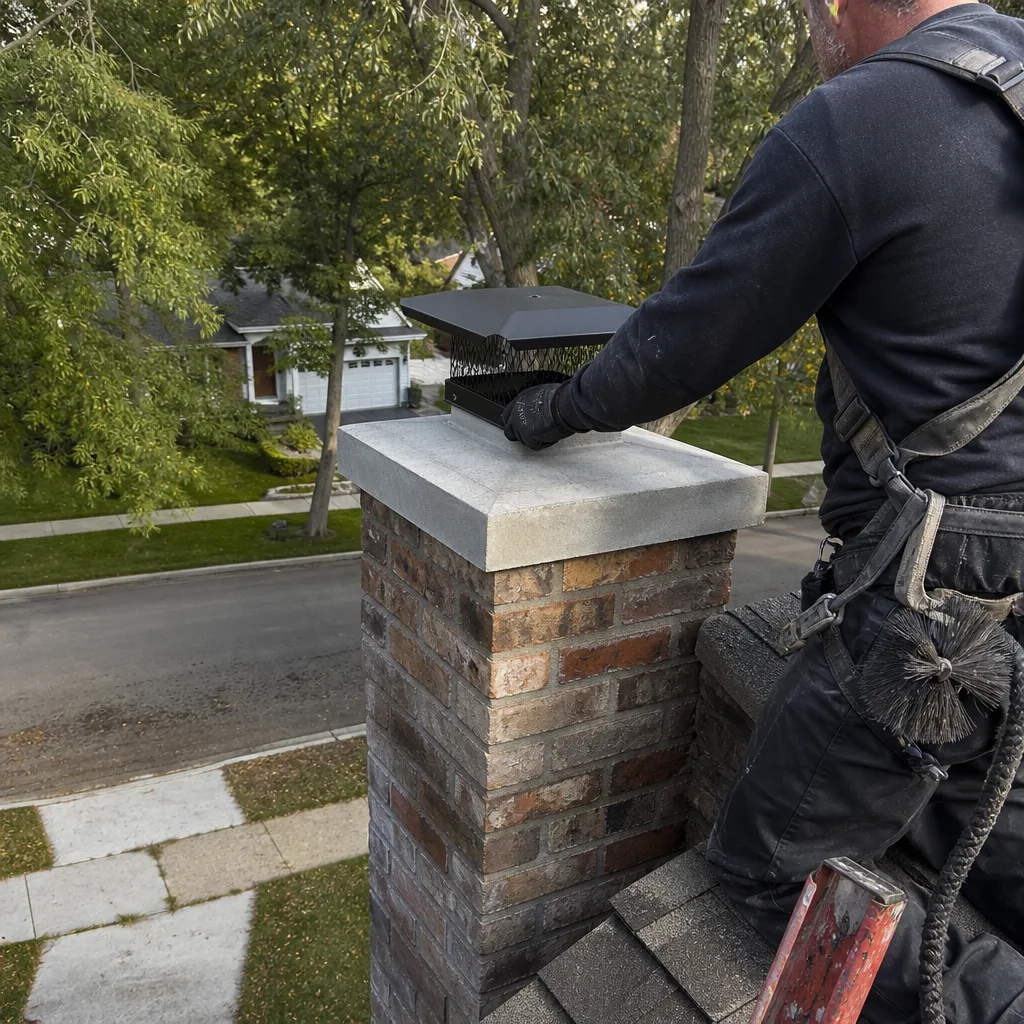 After
AfterSoot Removal in Elmhurst, IL
Soot removal in Elmhurst typically costs between $129 and $289, depending on flue length, fireplace type, and how much accumulation has built up since the last cleaning. Most appointments are completed in under two hours, and you’ll have a written price before our tech touches anything. If you’d like to schedule or just get a straight number for your setup, call us at (708) 498-3199 – a live person answers every call, around the clock.
Soot is the fine, powdery black carbon residue that coats the interior of your flue liner, smoke chamber, and firebox every time wood burns. It’s lighter and less sticky than creosote, but it builds up fast – especially in Elmhurst homes that burn frequently through December and January when temperatures drop into the single digits – and a dense enough layer becomes a real combustion hazard. It also absorbs moisture, which accelerates the deterioration of mortar joints and flue tile, and it’s what gives a fireplace that stale, ashy smell that drifts into the living room when the damper is left open.
Level Two Chimney Elmhurst has been doing this work since 2009, and soot removal is part of nearly every Chimney Cleaning & Sweep in Elmhurst we complete. What separates the job here from a basic sweep elsewhere is documentation: every visit includes a camera-scan inspection per NFPA 211 Level 2 standards, and you receive a photo record of what was found – before and after – as standard under Clause 4 of the Haven Standard. You’re not taking our word for it. You’re looking at the same images we are.
When You Need Soot Removal
Not every homeowner tracks fireplace use the way they track HVAC maintenance, and that’s fine. But there are signals worth paying attention to. Here’s what we see most often in Elmhurst that points to a soot removal appointment being overdue:
- A persistent ashy or smoky smell in the room. Even with the damper closed, a heavy soot coating holds odor and releases it slowly – particularly during humid stretches in late spring, which Elmhurst gets regularly as Lake Michigan air moves inland. If the smell shows up in March or April without a recent fire, soot accumulation is the first thing to check.
- Visible black dusting on the firebox walls or around the fireplace opening. A light gray film is normal after burning. Dense black powder that flakes or smears onto the surround means buildup has progressed to the point where cleaning is not optional.
- Reduced draw – smoke backing into the room during fires. When soot narrows the effective diameter of the flue, the draft weakens. Older Elmhurst homes with 6-inch terra cotta liner tiles are especially susceptible because the liner is already at the minimum diameter for most fireplaces.
- It’s been more than 12 months since the last cleaning. NFPA 211 – the standard our work is built around – calls for an annual inspection and cleaning for any chimney in active use. One full heating season in a well-used Elmhurst fireplace is enough to produce a cleanable soot layer.
- You burned unseasoned or green wood last season. Green wood produces dramatically more soot and creosote than properly dried hardwood. If you’re not sure what was burned, a camera scan will show the liner condition accurately rather than leaving it to guesswork.
- You’re preparing to sell or buying a home with a fireplace. Elmhurst real estate inspectors flag dirty chimneys. A documented cleaning with a photo record satisfies that line item quickly and gives buyers something concrete to look at.
Our Soot Removal Process
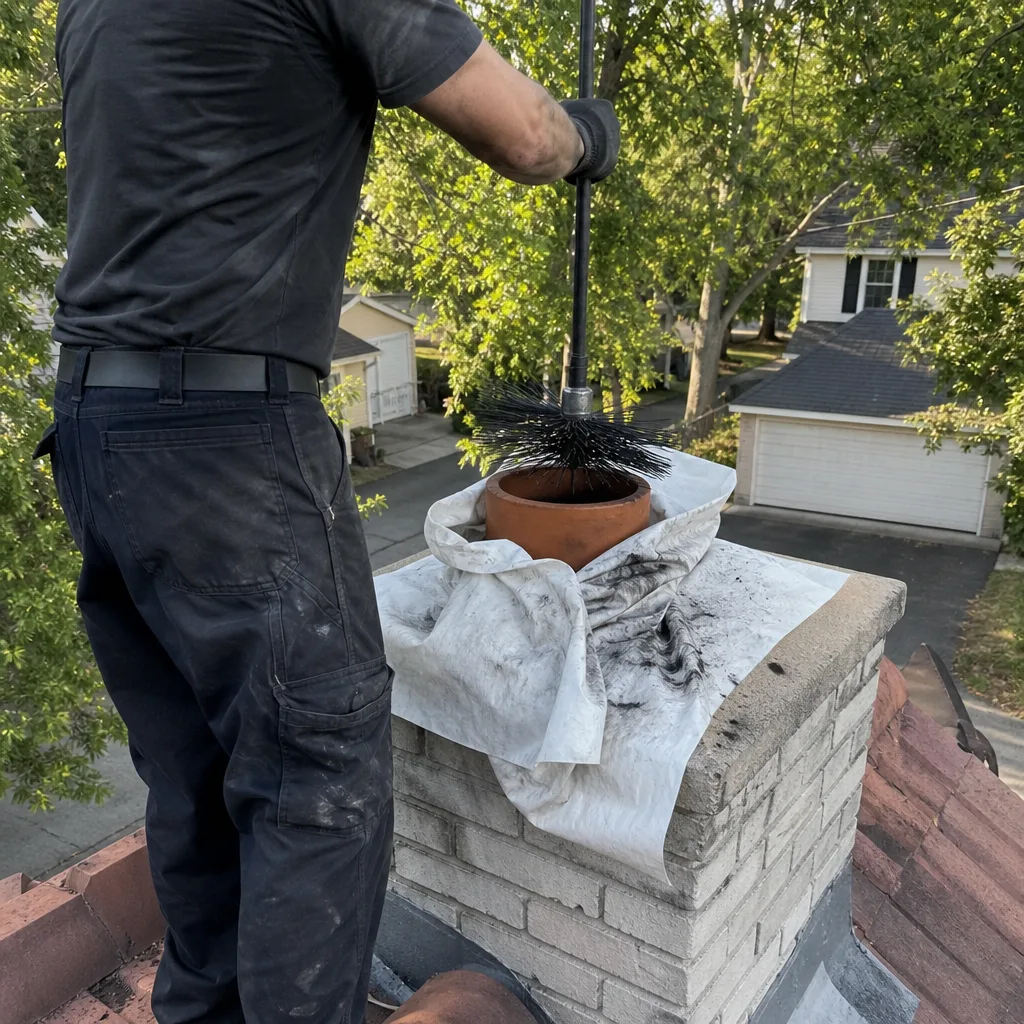
Here’s exactly what happens when our tech arrives at your Elmhurst address. No surprises, no scope creep after the job starts.
- Written price before anything opens. The technician arrives in a Level Two uniform, introduces themselves by name, and presents the written scope and price – in dollars – before any equipment comes out. That’s Clause 1 of the Haven Standard, and it’s not conditional on what we find. You approve the number first. Always.
- Pre-cleaning camera scan of the full flue. We lower a camera through the flue liner and inspect the smoke chamber, smoke shelf, tile joints, and firebox crown. This tells us exactly what we’re dealing with before we start – soot layer depth, whether there’s any creosote progression, and whether the liner shows any cracking or spalling that needs a separate conversation. You see what the camera sees.
- Prep and containment. Drop cloths go over the hearth and surrounding floor. A negative-pressure HEPA vacuum is connected to the firebox opening before brushing starts, so soot doesn’t migrate into the room. In tighter Elmhurst living rooms with stone or marble surrounds, we take additional time with edge masking – it matters more in those spaces.
- Rotary brush cleaning from the top down. A chimney brush sized to your flue liner diameter is worked from the cap through the full length of the flue, dislodging soot from the liner walls. The smoke shelf – a horizontal ledge above the damper that catches falling debris – is cleaned separately by hand, because the brush doesn’t reach it well. This shelf collects more soot than most homeowners realize.
- Firebox and smoke chamber detail. The smoke chamber is the funnel-shaped section above the damper. It accumulates soot on its corbeled (stepped) brick walls, and those angles require hand tools rather than rotary equipment. Any soot on the firebox floor, back wall, or damper plate is removed and vacuumed before we pack up.
- Post-cleaning camera verification and photo record. The camera goes back down after cleaning so you have a documented before-and-after comparison. The photos are part of your permanent file under Haven Standard Clause 4. If anything found during the pre-scan warrants a separate repair quote – a cracked liner tile, a damaged damper, anything – that’s written up separately. You’re never handed a repair bill that wasn’t quoted and approved first.
 Before
 After
AfterSoot Removal Pricing in Elmhurst
Soot removal in Elmhurst runs between $129 and $289 for a standard single-fireplace cleaning. The number on your written quote depends on a few specific variables – here’s what moves it up or down:
| Service Scenario | Typical Range |
|---|---|
| Single fireplace, standard flue, light soot | $129 – $169 |
| Single fireplace, standard flue, moderate soot buildup | $169 – $219 |
| Extended flue (two-story or taller home), moderate soot | $199 – $249 |
| Smoke chamber detail included (corbeled brick cleaning) | Add $40 – $60 |
| Second fireplace or insert on the same visit | Add $79 – $119 |
| Soot removal with Class I creosote treatment included | $219 – $289 |
A few notes on those ranges: Elmhurst has a wide mix of housing stock – bungalows and colonials built in the 1940s and 1950s in the Berteau corridor tend to have shorter flues and original terra cotta liners that require careful brush sizing, while newer construction in the neighborhoods east of York Road often has prefabricated metal flues that clean faster. Flue length and liner type both affect the time the job takes, which is why the ranges exist rather than a single flat rate.
If a camera scan reveals that soot has progressed to Class II or Class III creosote – a thicker, tar-like deposit that requires chemical treatment and additional mechanical work – that’s a separate quote under a separate scope. We don’t fold it in silently. If the camera shows something beyond basic soot, you’ll know what it is and what it costs before we do anything about it.
Every quote is free. Call (708) 498-3199 and give us the basics – fireplace type, approximate flue height if you know it, and when you last had it cleaned – and we’ll give you a number on the call. If you’d rather we come look first, the camera scan is part of the visit, not a separate charge.
We also offer a Free Second Opinion on any written estimate you’ve received from another company. Bring us the paper quote and we’ll compare it line by line, in writing.
What Soot Does to a Chimney Over Time
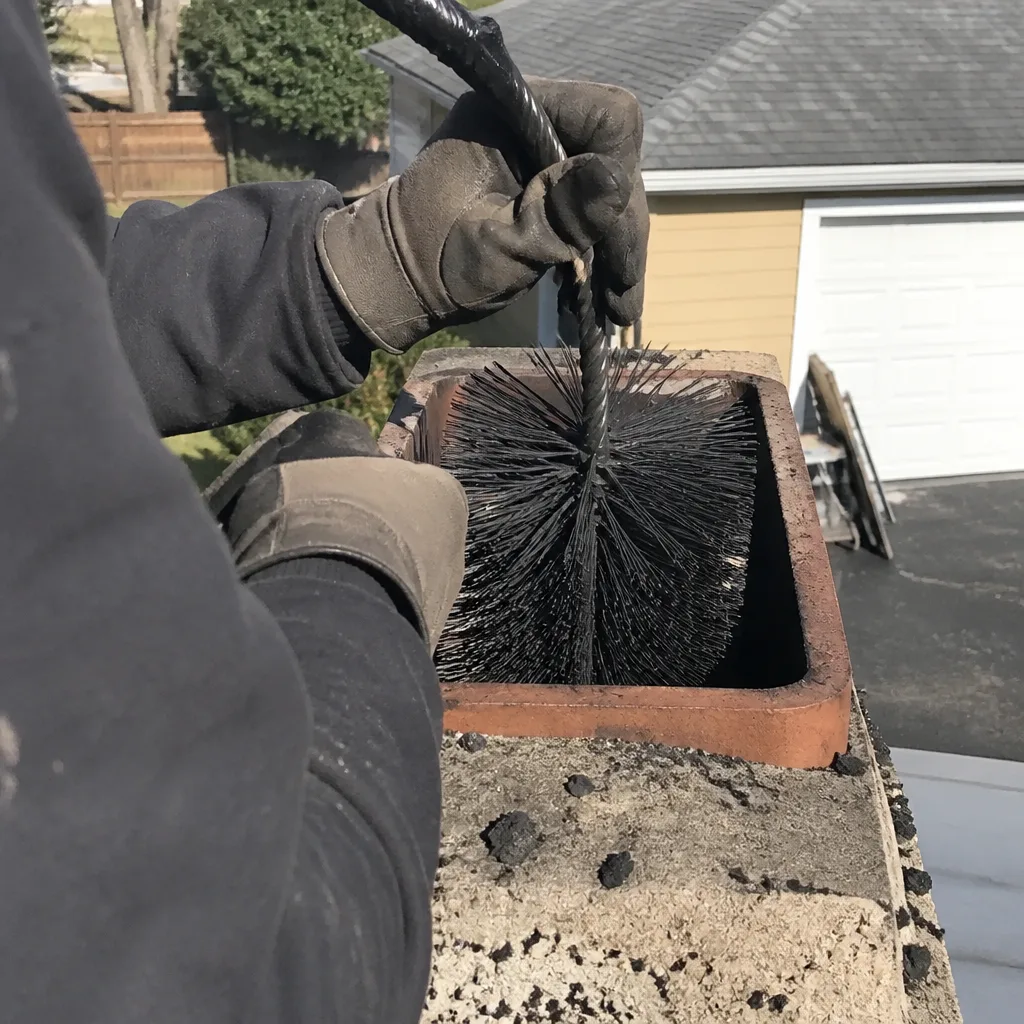
Soot itself isn’t corrosive, but it holds moisture – and moisture is what damages masonry. In Elmhurst, where freeze-thaw cycles run hard from November through March, a soot-coated flue liner that’s holding moisture is a liner that’s working against itself every time the temperature swings. Water expands in the joints between terra cotta tile sections, widening hairline cracks into gaps that let carbon monoxide seep through rather than vent out.
Soot also converts. Left in place through a heating season, light soot – what the trade calls Class I – can develop into Class II creosote, which is flaky and porous, and then into Class III, the dense, tar-like glaze that’s the most serious fire risk. The conversion rate depends on burn habits and wood moisture content, but the basic fact is that Annual Sweep service prevents a problem that costs significantly more to fix after it’s had a year or two to progress.
We use materials from Gelco and Olympia Chimney on jobs that require liner components or crown repair alongside a cleaning – both sourced through Haven’s buying network, which keeps material costs honest rather than marked up at the point of sale. If a cleaning surfaces a liner issue, you’ll see the materials cost as a line item in the quote, not buried in a labor total.
Why Elmhurst Homeowners Choose Level Two
The short version: you get the camera image and the written price before we start, and the 365-Day Done Right Promise backs the work after we leave. If something wasn’t done right, we make it right – that’s not a marketing line, it’s written into every job under the Haven Standard.
The longer version is that we’ve completed more than 38,000 chimney inspections and cleanings since 2009, and the documentation practice – camera scan, photo record, written scope – was the default here years before insurance carriers and home inspectors started asking for it. Homeowners in the Elmhurst area who are managing real estate transactions, insurance renewals, or simply want something to show a home inspector don’t have to ask for documentation. It’s included.
Our technicians are background-checked, arrive in uniform, and send a text when they’re on the way. You know who’s coming before they knock. That’s part of the Haven Standard – not an upgrade.
If you’ve had a sweep company give you a verbal assurance about your flue and nothing in writing, that’s worth a second look. Bring us the details – we’ll tell you what the camera would show and whether the prior assessment lines up with what we typically find in Elmhurst homes of that age and construction type.
Soot Removal and the Bigger Picture
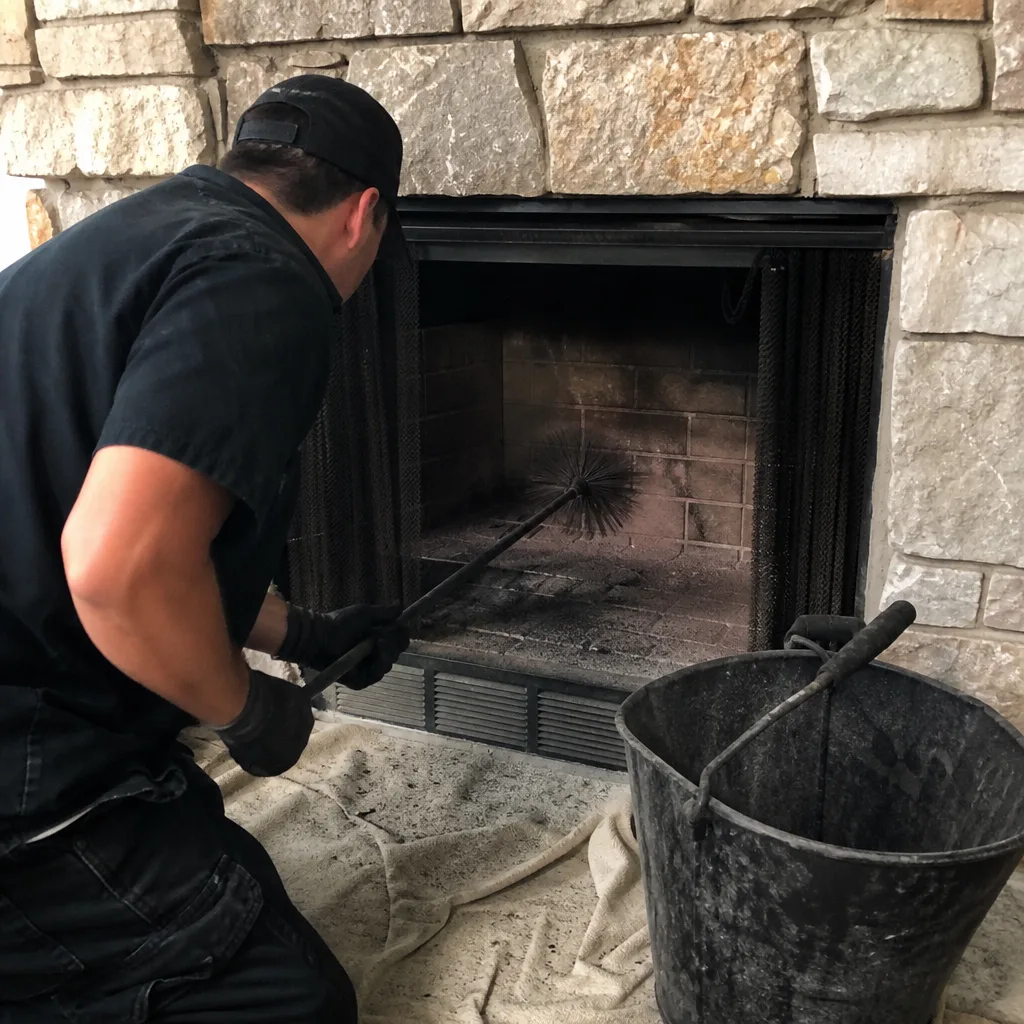
Soot removal doesn’t exist in isolation. It’s one part of a full home maintenance picture, and it’s the most direct entry point into understanding your chimney’s overall condition. A cleaning appointment with Level Two always includes the Level 2 camera inspection – not as an upsell, but because cleaning without knowing what the liner looks like underneath is incomplete work.
If the cleaning surfaces a liner issue, a crown crack, or a damaged cap, those are quoted separately in writing. You’re never handed a bundled number that includes repairs you didn’t ask about. That’s how the Haven Standard works, and it’s why the written price before work starts matters: it forces us to name what we’re doing, which means you can evaluate it.
FAQs – Soot Removal in Elmhurst
How much does soot removal cost in Elmhurst?
How Much Does Chimney Cleaning & Sweep Cost? (2026 Price Guide) - Elmhurst, IL: soot removal runs between $129 and $289 for a single fireplace, depending on flue length, liner type, and how much accumulation is present. You’ll receive a written price before work starts – not a range, a specific number for your chimney. Call (708) 498-3199 for a free estimate; a live person answers every call.
How often should soot be removed from a chimney in Elmhurst?
Once per year is the standard for any chimney in regular use – that’s what NFPA 211 calls for, and it’s what we see the condition of Elmhurst flues support. Homes that burn more than three fires per week through the heating season, or that burned green wood, may need attention at the midpoint of the season as well. A quick camera scan at the start of the burn season answers the question accurately rather than leaving it to a guess.
Is soot removal different from a chimney sweep?
Chimney Cleaning & Sweep services make soot removal the core task – the mechanical cleaning of soot and light creosote from the flue liner, smoke chamber, and firebox. A full chimney sweep at Level Two also includes the NFPA 211 Level 2 camera inspection and a documented photo record, so you know the liner condition, not just that the visible surfaces were brushed. The two aren’t separate services here; the sweep includes both.
Can soot damage a chimney liner over time?
Yes. Soot holds moisture, and moisture is what deteriorates mortar joints and terra cotta flue tile through Elmhurst’s freeze-thaw cycles. Left in place, soot also converts progressively into Class II and then Class III creosote – each stage more difficult and expensive to remove than the last, and the third stage representing a direct fire risk. Annual removal is the most cost-effective way to prevent a cleaning problem from becoming a liner repair or rebuild. If you’re unsure where your flue stands, the camera tells you accurately.
Ready to schedule Chimney Cleaning & Sweep Near Me in Elmhurst, IL or just want a straight number? Call (708) 498-3199 – a live person picks up every call, any hour. We’ll give you a written price before anyone starts work, a camera record of what we find, and a 365-Day Done Right Promise on everything we do. That’s what every job at Level Two Chimney Elmhurst looks like, from the first appointment forward.
Written by Corrine Halstead, Owner at Level Two Chimney Elmhurst, serving Elmhurst.