
Level 1 sweep and inspection to the NFPA 211 annual standard - flue, crown, cap, and flashing checked and photographed
Chimney sweep logs do not sweep chimneys. They loosen some creosote - which then falls where a brush and vacuum still have to collect it.
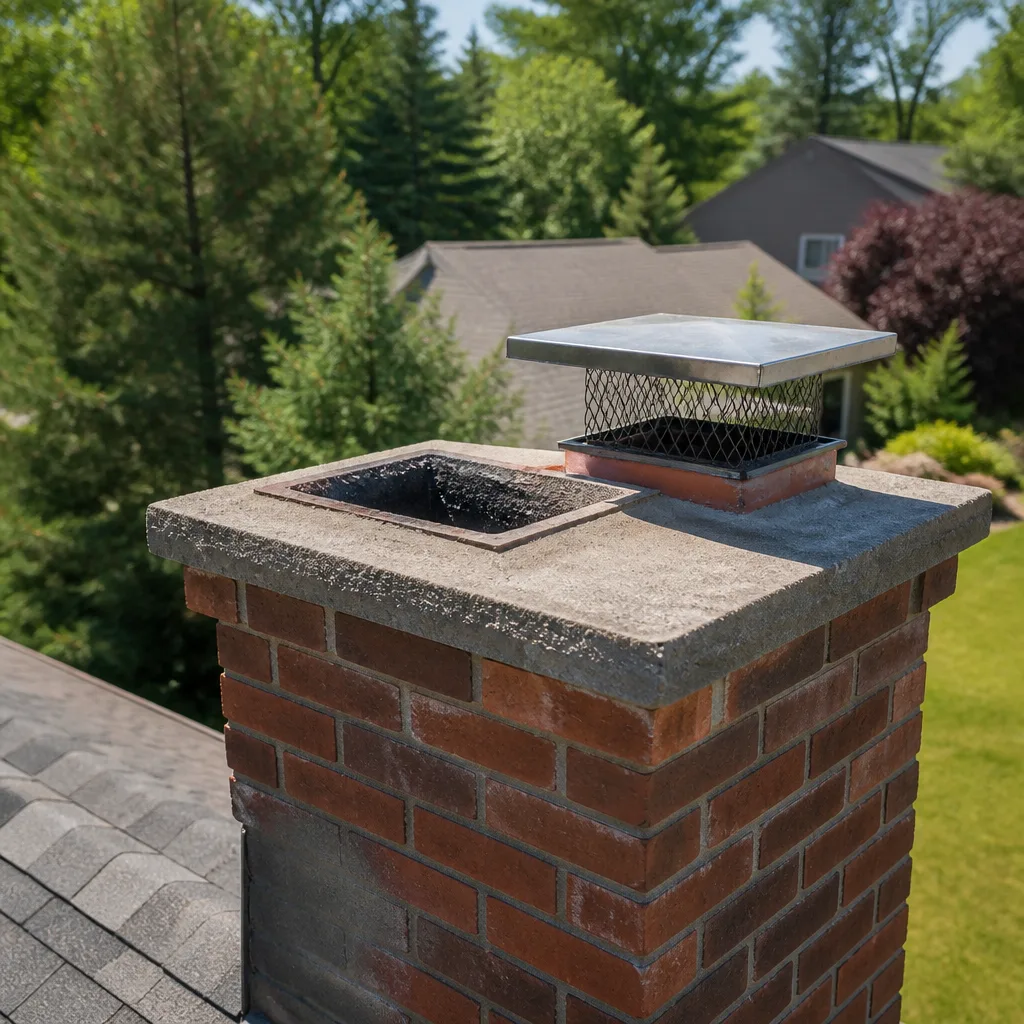
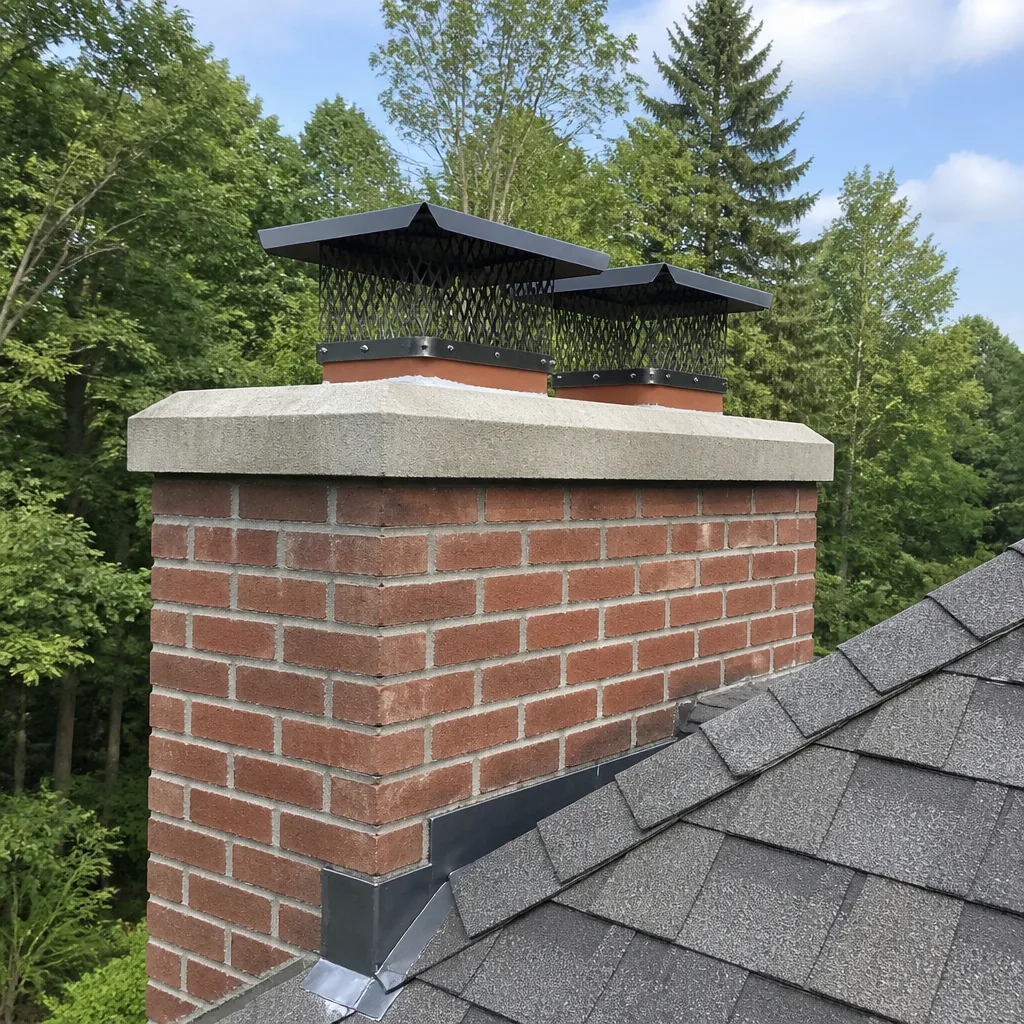
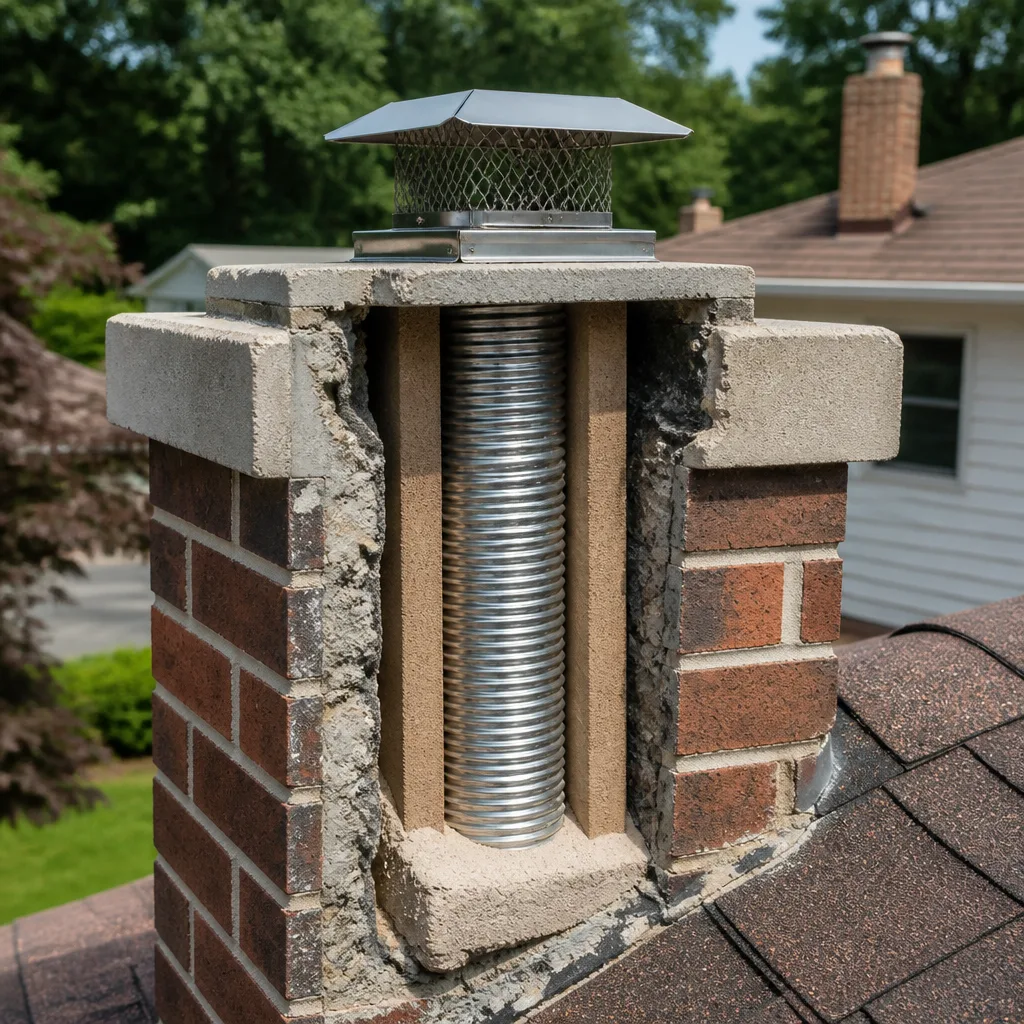
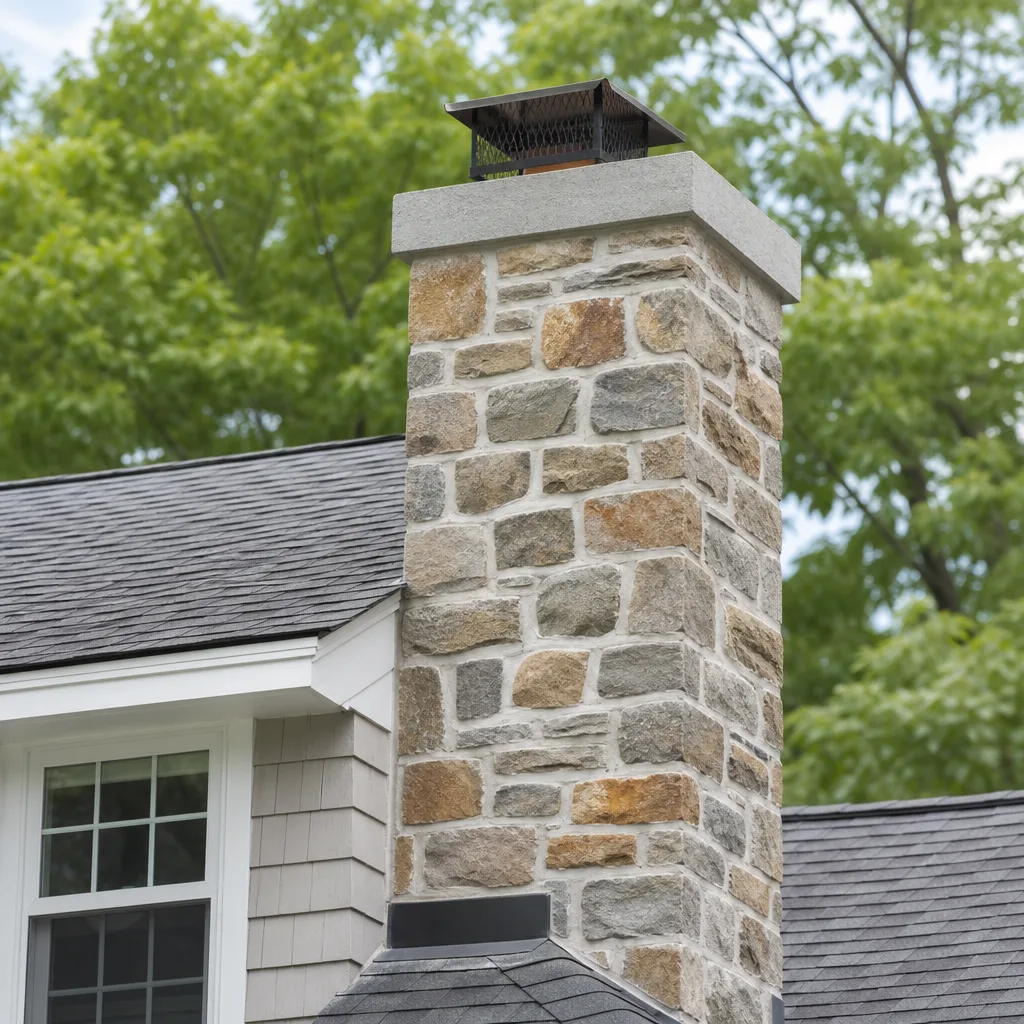
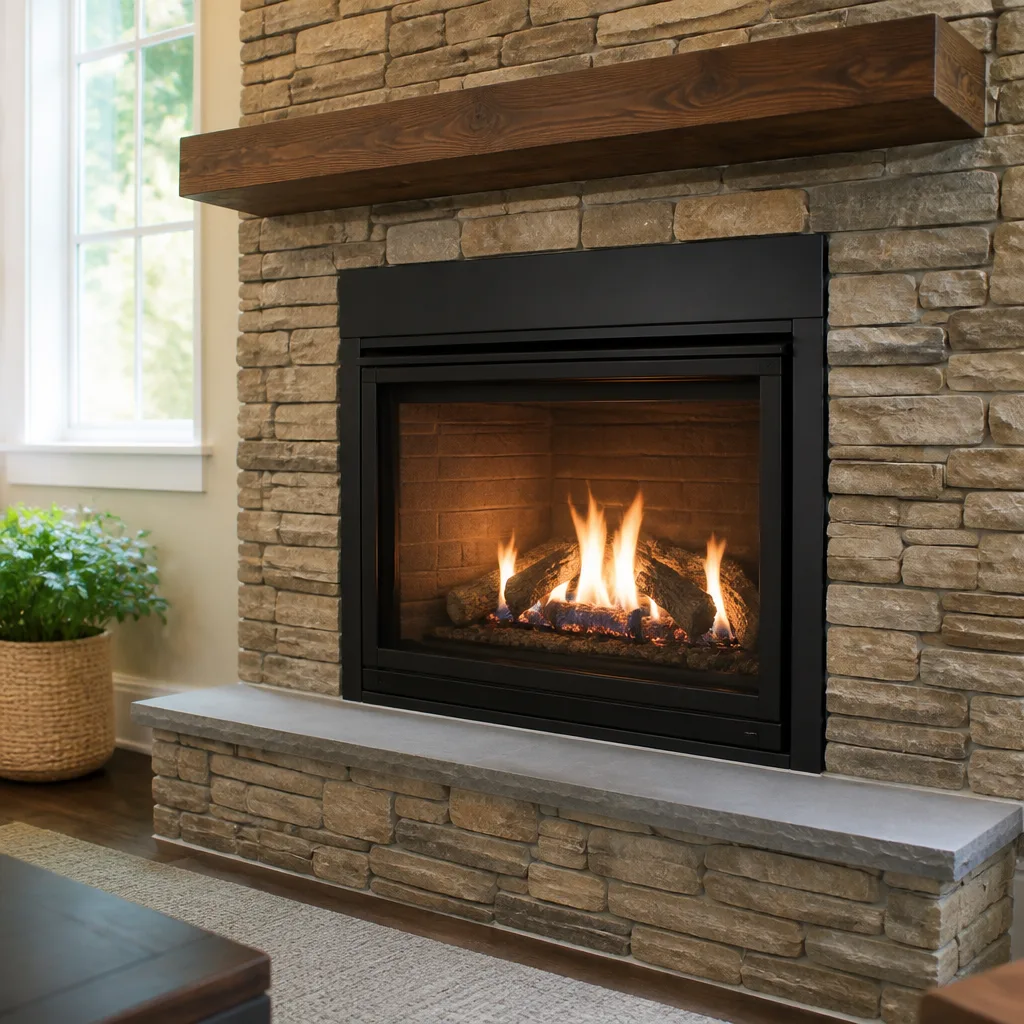
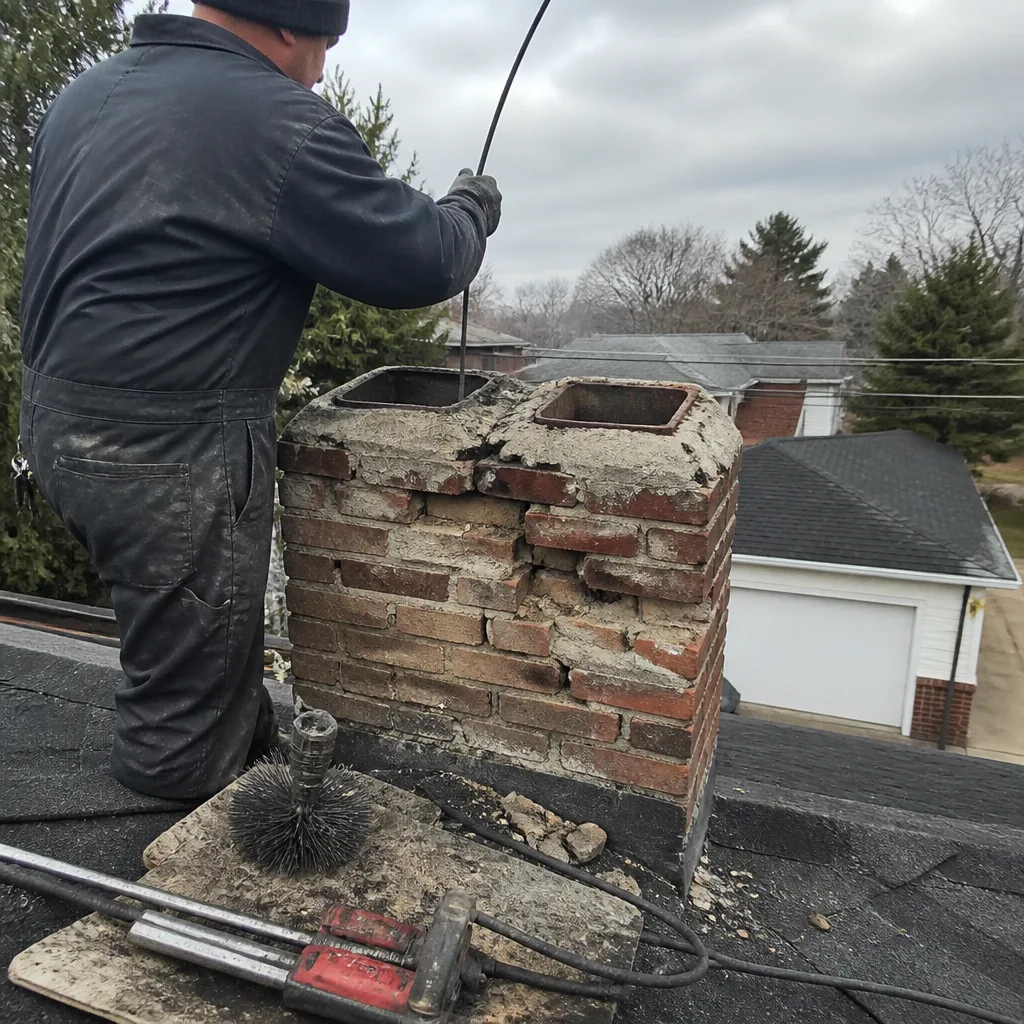 Before
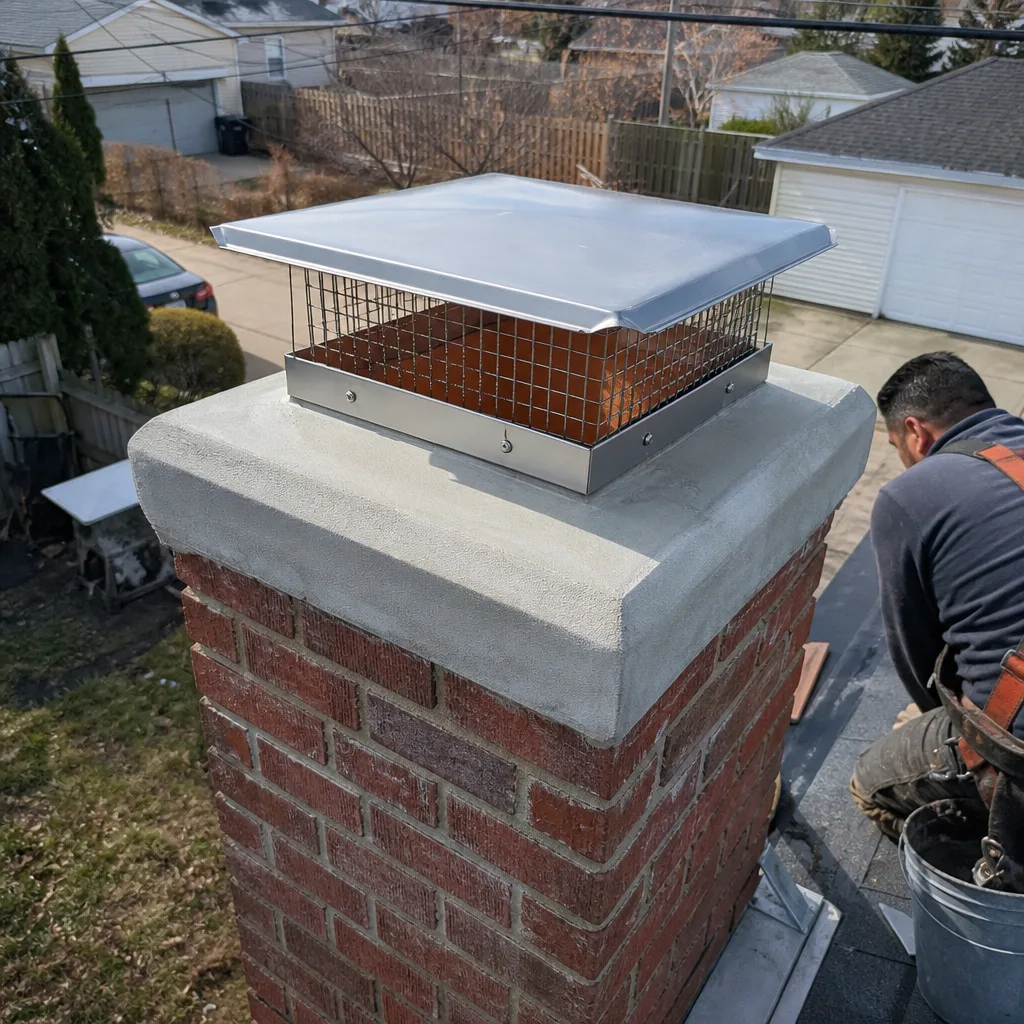 After
After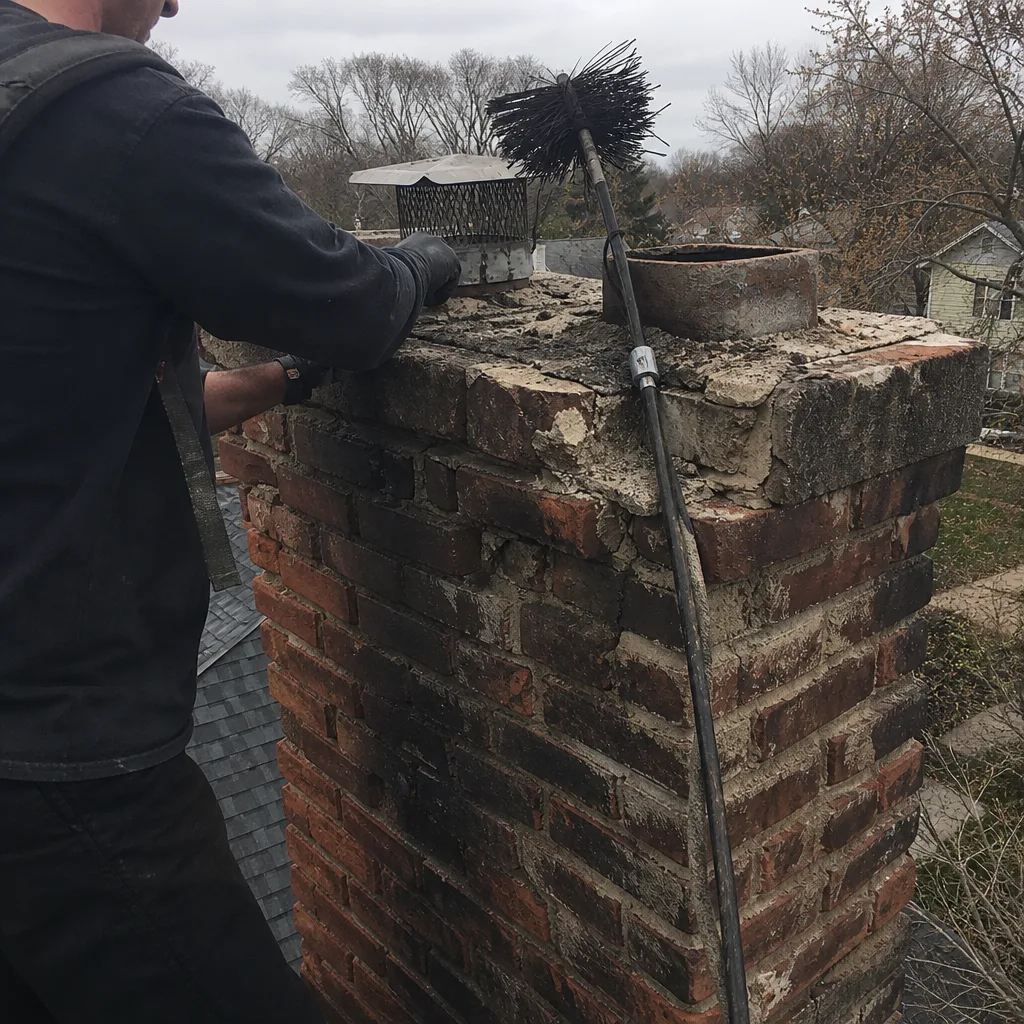 Before
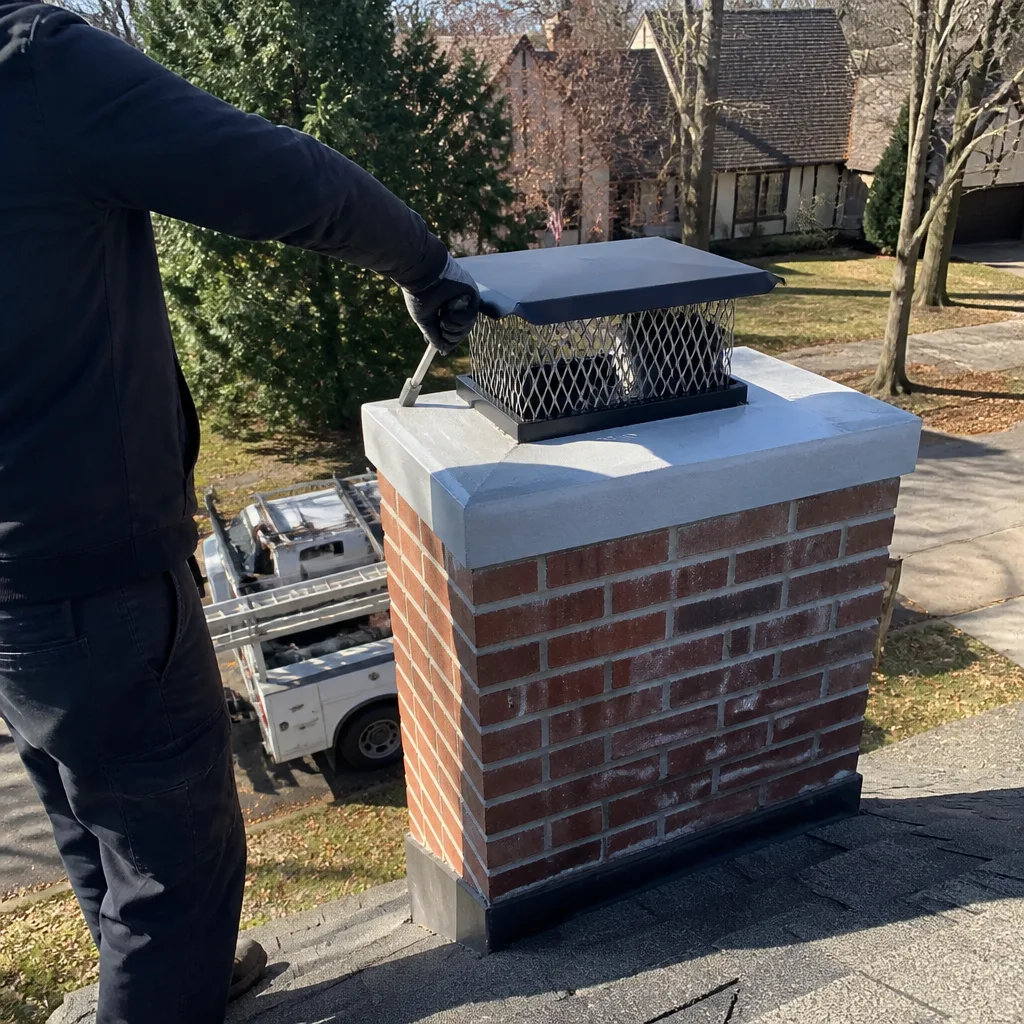 After
After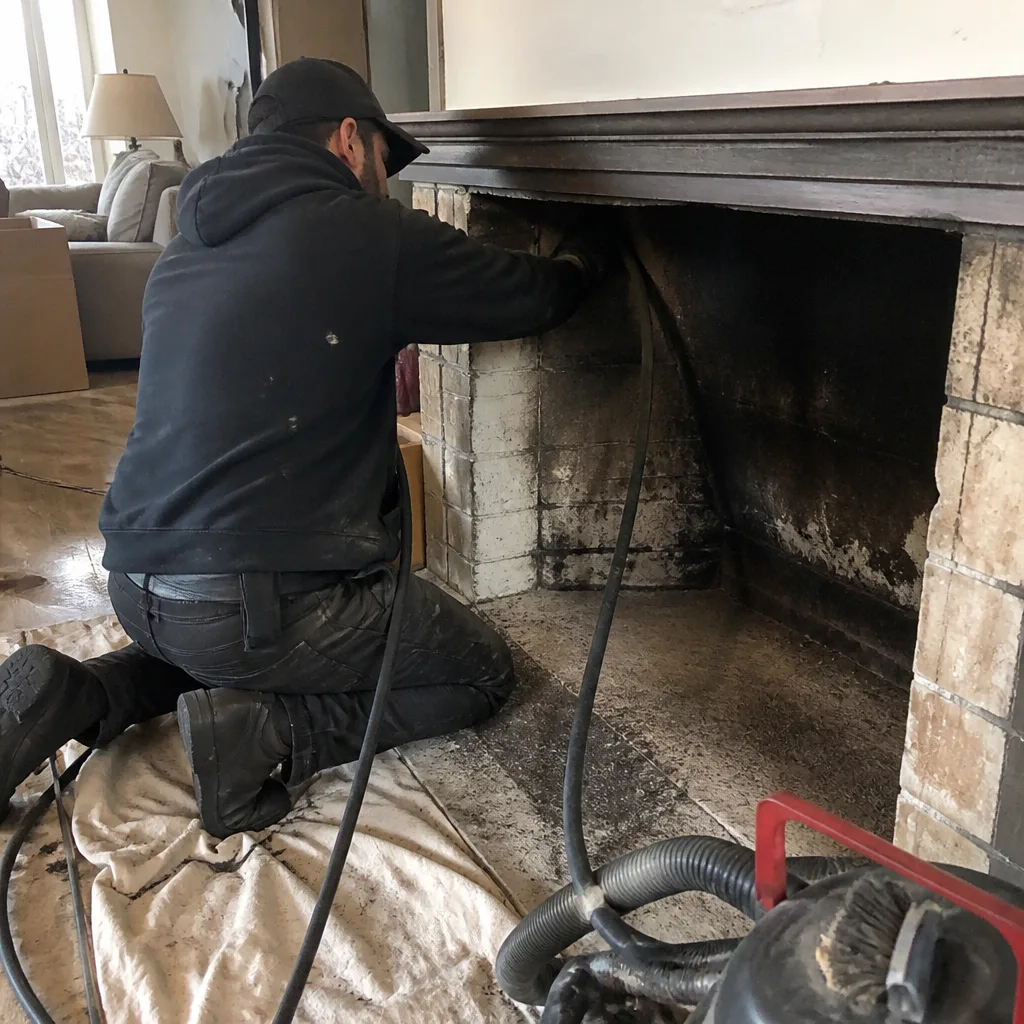 Before
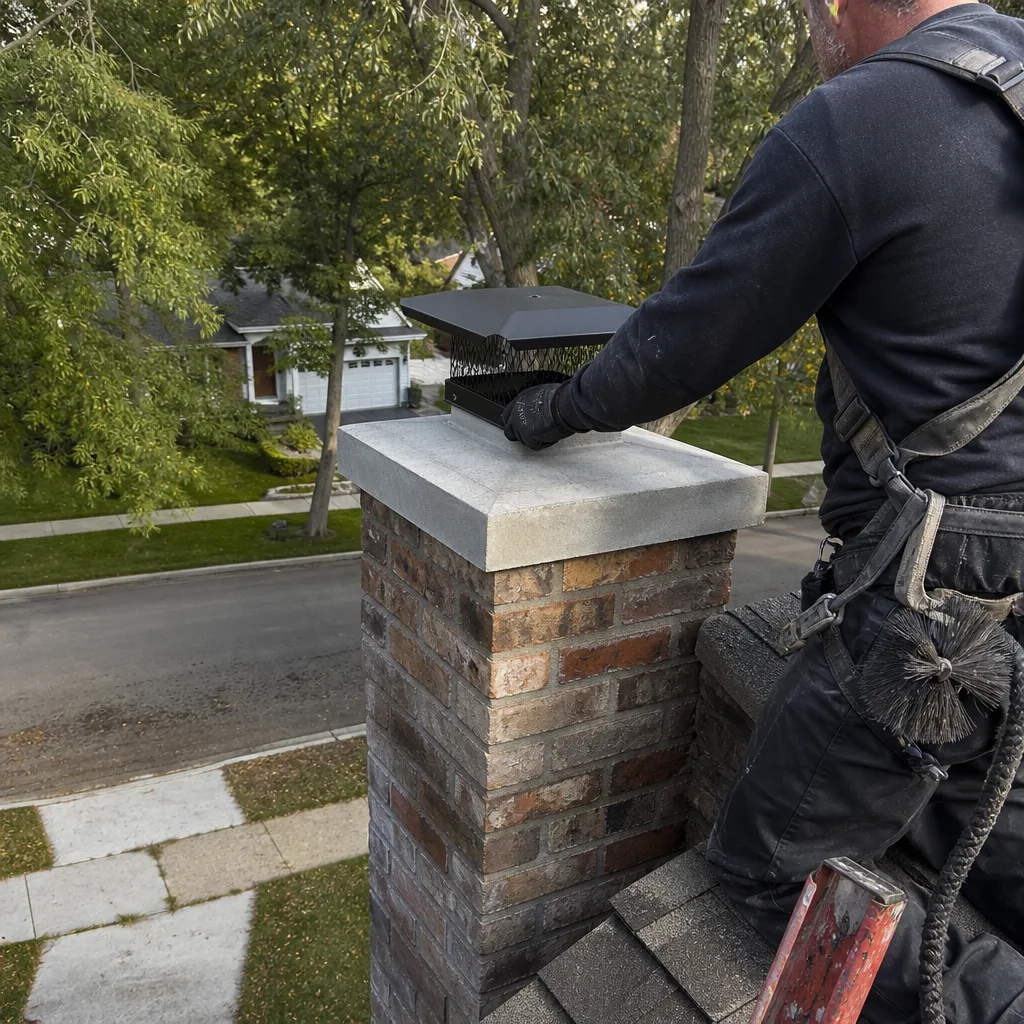 After
AfterCreosote Removal in Elmhurst, IL
Creosote removal in Elmhurst typically runs between $250 and $650, depending on how much buildup is present and which of the three deposit classes lines your flue. In most cases, a Level Two Chimney Co. technician completes the work in a single visit – camera scan, written price, and documented photo record included before a tool touches your firebox during our Chimney Cleaning & Sweep services.
If you’ve been burning wood in your Elmhurst home and haven’t had the flue cleaned in the last year – or ever – there’s a real possibility that creosote has built up to a level that warrants more than a standard sweep. That’s not alarm language; it’s just what happens when wood burns and the gases cool on the way up a cold flue liner. The deposits that result range from a fine, dusty char to a hard, tar-like glaze that resists a standard brush entirely. Knowing which class you’re dealing with before anyone starts working changes what the job costs and how long it takes.
At Level Two Chimney Co., we’ve inspected and cleaned more than 38,000 chimneys since 2009. Every single one of those jobs started with a written price and ended with a documented photo record. That sequence – inspection, written quote, work, documentation – is the standard we built the company on, and it applies to creosote removal the same as any other service. If you’d like to talk through what you’re seeing or smelling from your fireplace or want to learn about Fireplace Cleaning, a live person answers at (708) 498-3199 around the clock.
Creosote removal is part of our broader Chimney Cleaning & Sweep in Elmhurst service. If you want the full picture of what a chimney cleaning visit looks like – from cap to firebox – that page covers it.
When You Need Creosote Removal
Standard sweeping handles light, first-degree deposits well. But a few specific signs point to a heavier buildup that needs targeted creosote removal rather than a routine cleaning pass.
- A strong, acrid odor coming from the firebox when the fireplace isn’t in use. In Elmhurst’s humid summers, negative air pressure pulls chimney air into the living space. If what you’re smelling is sharp and oily rather than just musty, heavy creosote is usually the source. The smell tends to peak in July and August when attic temperatures rise and stack effect reverses.
- Visible black, shiny deposits on the smoke shelf or damper. If you crouch down and look up with a flashlight – carefully, without putting your head inside – and see a glazed, tar-like coating rather than a dry, chalky residue, that’s second- or third-degree creosote. It does not brush off and requires chemical treatment or mechanical rotary tools before the flue is usable again.
- Reduced draft or fires that won’t draw properly. Heavy creosote narrows the effective diameter of the flue liner. A 13-by-13-inch clay tile flue lined with a half-inch of glazed creosote is a meaningfully smaller flue. Elmhurst homes built between 1930 and 1960 often have undersized flues to begin with; any restriction makes a weak draft worse.
- A chimney fire – even a small, self-extinguishing one. A rumbling sound, a roaring draft noise, or dense gray smoke from the cap are signs a chimney fire has already occurred. After any such event, NFPA 211 Level 2 inspection protocol is mandatory before the fireplace is used again. Creosote removal is almost always part of the follow-on work.
- More than one heating season since the last professional cleaning. Elmhurst gets enough cold months that most wood-burning households burn 2 to 4 cords per season. At that rate, a full cleaning with creosote assessment every 12 months is the minimum. If two or three years have passed, assume the job is heavier than a basic sweep.
- You burn unseasoned or mixed softwood. Green wood and pine produce significantly more creosote than properly seasoned hardwood. If previous owners used the fireplace casually without regard for wood type – common in older Elmhurst neighborhoods like the Historic District near York and Vallette – a first professional inspection often turns up second- or third-degree deposits regardless of how recently the chimney was last “cleaned.”
Our Creosote Removal Process
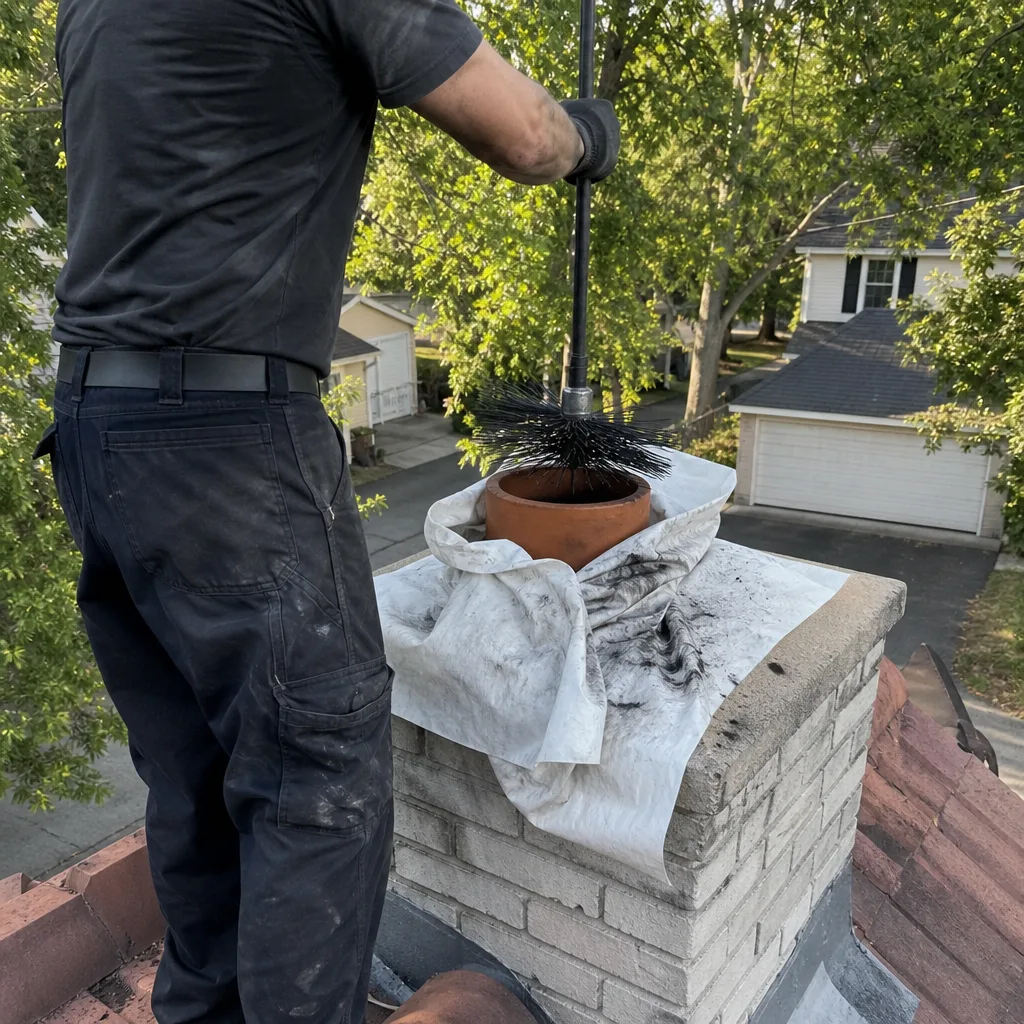
Here is exactly what happens when a Level Two Chimney Co. technician arrives at your Elmhurst home for a creosote removal appointment. Nothing on this list is optional or an upsell; each step is part of the standard visit.
- Camera scan before anything else. We run an NFPA 211 Level 2 camera down the flue from the top before a single brush enters from below. This tells us the deposit class, approximate thickness, and whether there are cracks, spalling tile sections, or liner damage that changes the scope. You see the same footage we see. This camera-scan practice has been standard at Level Two since 2009 and is documented under Clause 4 of the Haven Standard.
- Written price, written scope, written warranty – before work starts. After the camera scan, the technician writes the price on paper and explains the scope in plain terms. You sign off before a tool moves. This is Haven Standard Clause 1 – “Have it in writing.” There is no situation where work begins and a price is discussed afterward.
- Firebox and home protection setup. Drop cloths cover the hearth and the surrounding floor. A HEPA-filtered vacuum is connected to the firebox opening before any dry brushing begins. Elmhurst homes range from 1920s brick Tudors with tight hearth surrounds to newer construction with gas-to-wood conversions; the setup varies by fireplace type, but the protection standard doesn’t.
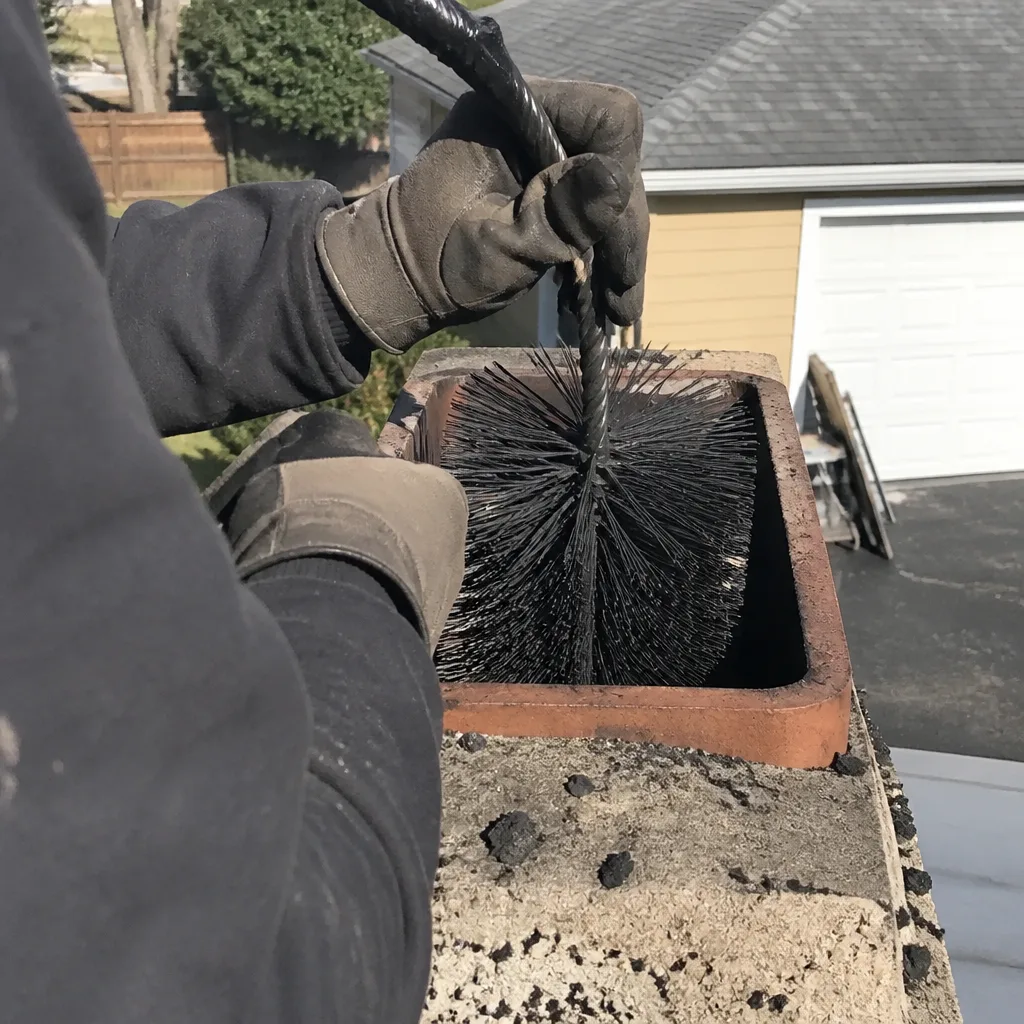
- Creosote-class-specific removal. First-degree deposits – dry, flaky char – come off with standard rotary brushes. Second-degree deposits require a chemical application first: a creosote-modifying agent is introduced to convert the glazed layer into a dry, brushable form before mechanical removal. Third-degree glazed creosote – the dense, hard coating that looks like melted tar – requires mechanical rotary chain tools and, in some cases, a follow-up visit after a second chemical treatment. We don’t cut corners on class three just to close the job in one visit; if a second treatment is the right answer, we say so in writing before we leave.
- Post-removal camera confirmation. After cleaning, the camera goes back down. You see the before and after footage side by side. The technician documents the flue liner condition, notes any areas that warrant monitoring, and identifies any repair work – cracked tiles, mortar joint failure, deteriorated smoke chamber – that appeared once the creosote was cleared. That documentation is yours to keep.
- Written summary and 365-Day Done Right Promise. Every visit ends with a written record: what was found, what was done, what materials were used, and the warranty terms. The 365-Day Done Right Promise means if the work isn’t right, we come back and make it right – no argument required, no service fee for the return visit.
 Before
 After
AfterCreosote Removal Pricing in Elmhurst
Creosote removal in Elmhurst costs between $250 and $650 for the large majority of jobs. The range exists because the deposit class drives the method, and the method drives the cost. Here’s how it breaks down.
| Deposit Class | Description | Typical Price Range |
|---|---|---|
| Class I (First Degree) | Dry, dusty, or flaky deposits; standard rotary brushing | $250 – $350 |
| Class II (Second Degree) | Puffed or crunchy tar deposits; chemical pretreatment plus brushing | $350 – $500 |
| Class III (Third Degree) | Glazed, hard tar; rotary chain tools, possible multi-visit treatment | $500 – $650+ |
A few factors affect where your job lands within these ranges:
- Flue length and configuration. A two-story Elmhurst home with a 20-foot flue takes longer to clean than a single-story ranch. Offset flues – bends built to avoid roof lines or additions – add time and tool changes.
- Liner material. Clay tile liners and stainless steel liners (such as DuraFlex or HeatShield-lined flues) require different brush types. If a previous repair introduced a liner product that changes the flue geometry, the technician notes it before quoting.
- Access conditions. Flat roofs and low-pitch profiles common in some Elmhurst neighborhoods from the 1960s and 1970s are straightforward. Steep Victorian rooflines in the downtown historic blocks require additional safety equipment; that’s reflected in the quote, not added after.
- Volume of deposits. A fireplace that hasn’t been professionally cleaned in six or eight years will have more material to remove than one serviced 18 months ago. The camera scan before work starts tells us – and you – which situation you’re in.
The written price you receive before work starts is the price you pay. If the camera scan reveals conditions that change the scope – a liner crack that requires repair materials, for example – the technician rewrites the quote and gets your approval before proceeding. No surprises after the fact.
If you have a written estimate from another company, bring it. We offer a free second opinion on any written quote, and we’ll tell you plainly whether the scope and price are reasonable for what was described.
Call (708) 498-3199 to schedule a camera-scan inspection and get a written creosote removal quote for your Elmhurst home. Estimates are free and the price is on paper before anyone starts.
FAQs – Creosote Removal
How much does creosote removal cost in Elmhurst?
Creosote removal in Elmhurst runs between $250 and $650 for most residential chimneys, with the final price depending on deposit class – first degree (dry and flaky), second degree (glazed and crunchy), or third degree (hard, tar-like coating). First-degree removal is the lower end of that range; third-degree glazed creosote, which requires chemical treatment and rotary chain tools, is the higher end. At Level Two Chimney Co., the camera scan comes first – so the price you’re quoted reflects what’s actually in the flue, not a ballpark estimate. Call (708) 498-3199 and we’ll schedule an inspection and give you a written price before any work starts.
Is creosote removal dangerous to do myself?
First-degree creosote can look like something a homeowner could brush out, but working inside or on top of a chimney involves real risks: fall hazard on the roof, exposure to carcinogenic particulate in a confined space, and the possibility of disturbing a liner crack or damaged component without recognizing it. Second- and third-degree creosote removal adds chemical handling and rotary mechanical tools that are not safe in untrained hands. The more pressing issue is that DIY cleaning produces no documented record of liner condition, which matters for insurance claims after a chimney fire and for any future sale of the home. A professional visit with camera documentation is worth the cost for those reasons alone.
How often does creosote need to be removed from a chimney in Elmhurst?
NFPA 211 recommends a Level 1 Inspection and cleaning at least once per year for any wood-burning system in regular use. In Elmhurst’s climate – cold winters, high humidity in summer – annual cleaning is the practical minimum for homes burning two or more cords per season. If you burn less frequently, every two years may be sufficient, but only a camera scan will tell you the actual deposit level. Households in older Elmhurst neighborhoods with original clay tile flues often find that previous owners skipped multiple seasons, making the first professional visit heavier work regardless of the current occupant’s habits.
What is third-degree creosote and why does it cost more to remove?
Third-degree creosote – sometimes called glazed creosote – is a dense, shiny, tar-like coating that forms when volatile gases condense repeatedly at low flue temperatures, typically from slow, smoldering fires or unseasoned wood. It bonds hard to tile and metal liner surfaces and cannot be removed by standard brush sweeping. Removing it requires a creosote-modifying chemical application (which converts the glaze to a dry, brushable state over several days to a week), followed by a return visit with rotary chain mechanical tools. In some cases, two chemical treatments are needed before the liner is fully clear. That multi-step process is why third-degree removal costs more and occasionally requires more than one visit – and why the written scope matters before you agree to the work.
Key Takeaways
- Creosote removal in Elmhurst costs $250 to $650; the deposit class (I, II, or III) determines which end of the range applies to your flue.
- A camera scan (NFPA 211 Level 2) comes before any quote or any work. You see the footage; the price reflects what’s actually there.
- Written price, written scope, and written warranty are delivered before a tool enters your chimney – Haven Standard Clause 1, no exceptions.
- Third-degree glazed creosote requires chemical treatment and may need more than one visit; the written scope will say so upfront.
- Every visit ends with a documented photo record under Clause 4 of the Haven Standard – yours to keep for insurance, future inspections, or home sale disclosure.
- The 365-Day Done Right Promise covers every creosote removal job: if it’s not right, we come back and make it right.
Schedule Creosote Removal in Elmhurst
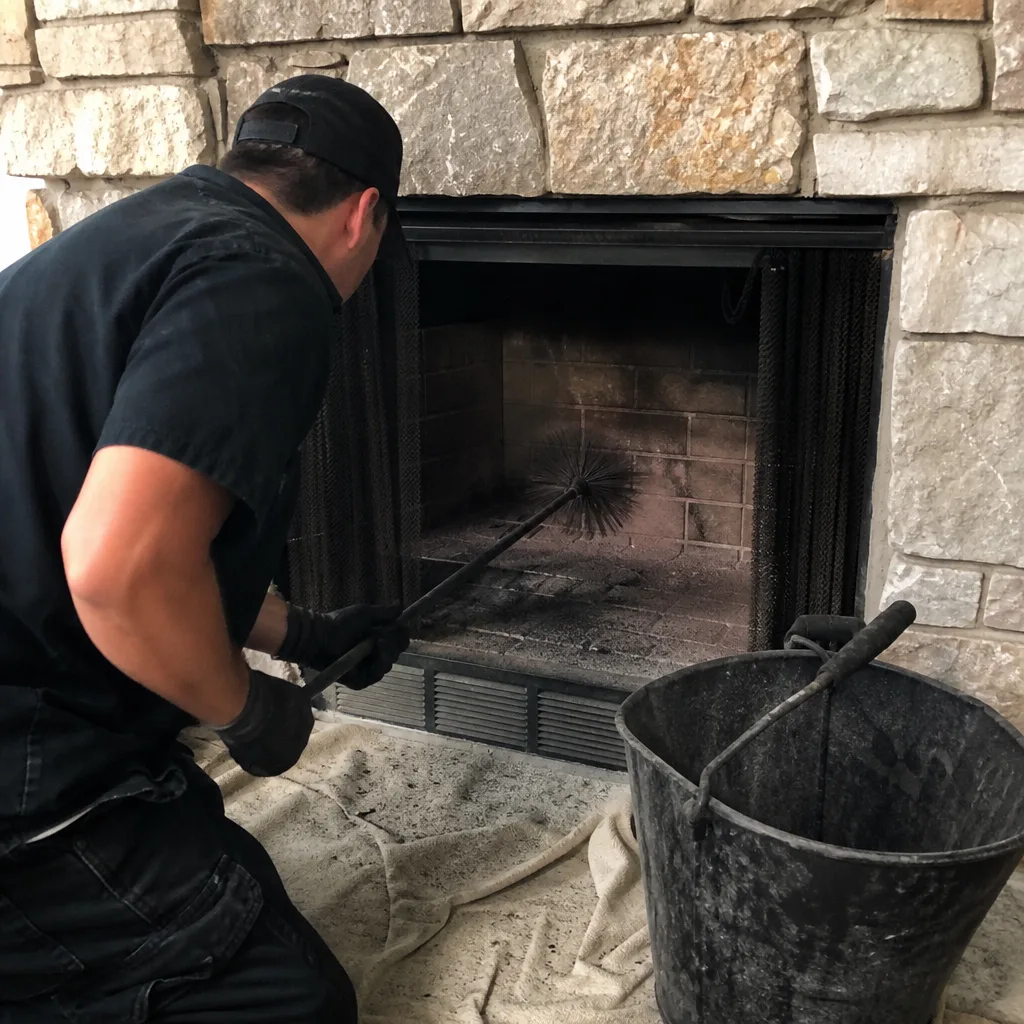
If your fireplace smells, your draft is sluggish, or you simply don’t know the last time the flue was properly cleaned, the right first step is a camera scan. Level Two Chimney Co. serves Elmhurst and the surrounding communities with Level 2 Inspection services, written pricing before work begins, and a documented record when the job is done. Corrine Halstead and the Level Two team have completed more than 38,000 chimney inspections and cleanings since 2009 – every one with the same written-price, documented-outcome standard.
Call (708) 498-3199 to schedule your creosote removal inspection in Elmhurst. A live person answers 24 hours a day. The estimate is free, the price is in writing, and the camera footage is yours to keep.
For the full scope of what a chimney cleaning visit includes – from cap inspection to smoke chamber evaluation – visit our home page or read about our complete Chimney Cleaning & Sweep in Elmhurst service.
Written by Corrine Halstead, Owner at Level Two Chimney Elmhurst, serving Elmhurst.